I’ve been obsessed with gardening since I was a kid, stealing seeds from my grandfather’s sunflower patch and sneaking them into my mother’s flowerbeds. Now, I spend my days surrounded by soil and plants, learning how to coax life from the earth—whether it’s coaxing tomatoes to ripen early or helping new gardeners avoid the mistakes I made as a beginner. This site is my way of sharing the joy of gardening, the little tricks that make it easier, and the quiet satisfaction of watching something grow from seed to harvest.
Fertilizing your lawn in Texas at the right time means the difference between a vibrant green carpet and a struggling patch of dirt — and the heat-resistant schedule varies wildly from North to South Texas. Picture this…
You should fertilize your lawn in early spring, late spring, summer, and fall to keep it thriving all season long 🌱 — but timing is everything, and most people get it wrong. Picture this: you’ve just spent $50 on…
Fertilizing your lawn in spring at the right time is the secret to a thick, vibrant green that stays ahead of weeds and drought. Picture this: you’ve just mowed for the first time, the air smells like rain, and your…
💥 Quick Answer To fertilize your lawn in fall, aim for late August through early October , about 4-6 weeks before the first frost hits. This timing helps cool-season grasses like Kentucky bluegrass and fescue build…
Fertilizing your lawn at the right time can make the difference between a thin, patchy yard and a deep-green, resilient carpet that stands up to foot traffic and drought. A well-timed fertilization schedule can transform…
Fertilizing and seeding your lawn at the right time is the secret to a thick, weed-resistant carpet that stays green all season long. Picture this: you’ve just seeded your lawn in the middle of summer, only to watch the…
Fertilizing lawn after overseeding is the critical step that determines whether your new grass thrives or fizzles out before it takes hold. Picture this: you’ve just spread fresh 🌱 lawn grass seeds, watered them…
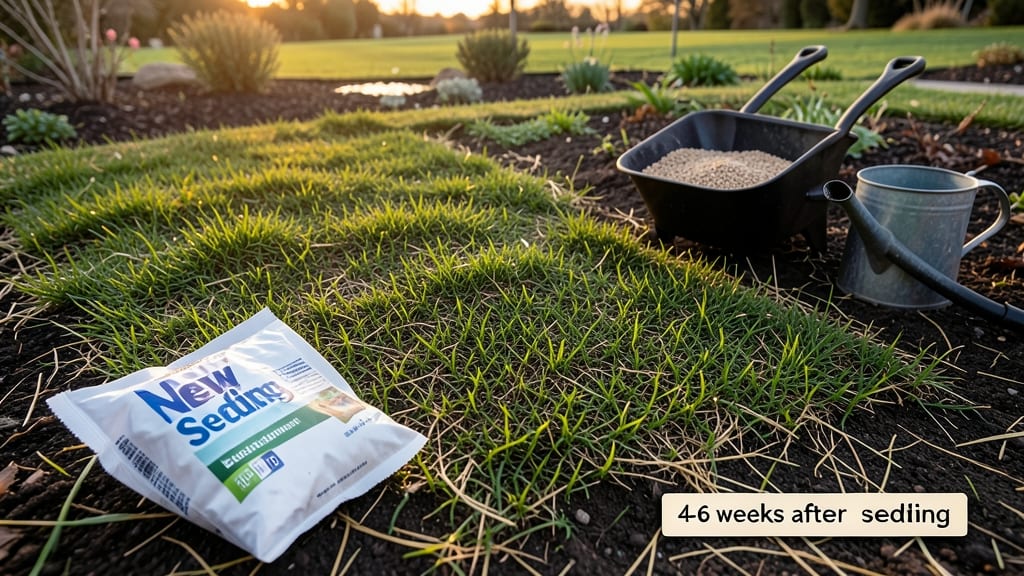
Fertilizing lawn after seeding at 4 to 6 weeks is the key to avoiding stunted roots and wasted nutrients—something I learned the hard way when my first attempt left patchy, weak grass. New grass seed needs patience—but…
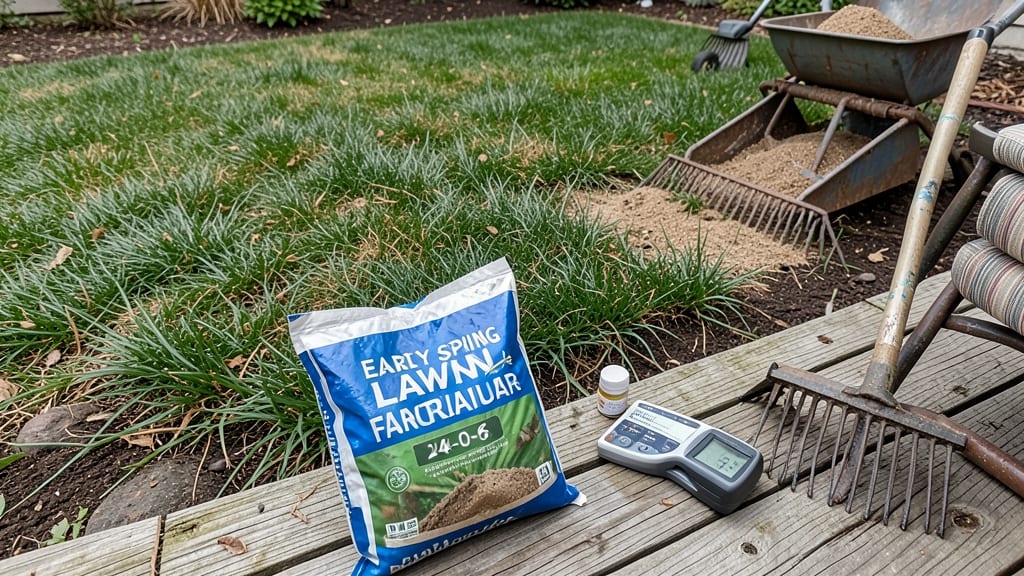
Fertilizing your lawn after winter should happen when soil temperatures hit 50°F —any earlier, and you’re just feeding weeds, not grass. That’s the game-changer most gardeners miss: timing matters more than the calendar…
💥 Quick Answer Fertilizing lawns in Austin works best in early spring (February–March) and late fall (October–November), aligning with the city’s warm-season grass growth cycles and avoiding extreme summer heat or…