
Lawn
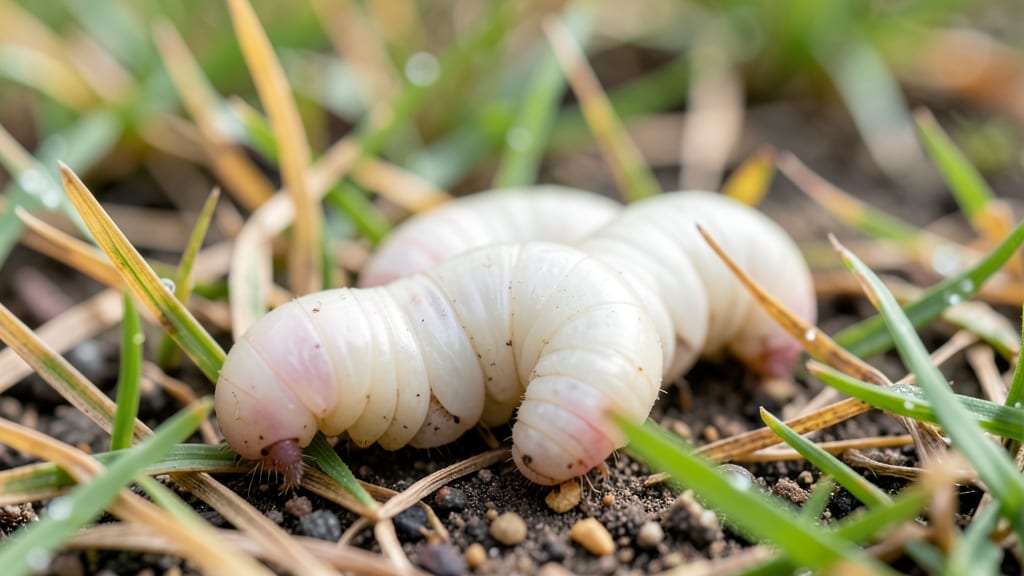
Finding white bugs crawling across your lawn is like discovering a tiny army of invaders—except these critters are actually grubs or mealybugs, and they’re silently wrecking your grass from the roots up. 🌱 The good news?
With the right approach, you can trap and eliminate them in 48 hours without harsh chemicals, saving your lawn’s health and your wallet.
Most white lawn pests—like Japanese beetle grubs or sod webworms—hide beneath the surface, chewing on grass roots while leaving behind patches of brown, spongy turf. The key to stopping them fast is acting before they spread.
Grab a flashlight, a shovel, and a few organic tools, and you’ll be ready to turn the tide in no time.
By following a two-step trap-and-treat method, you’ll lure them out, drown the worst offenders, and disrupt their life cycle before they hatch or multiply. Within 48 hours, you’ll see fewer white bugs scurrying around—and stronger, greener grass pushing through where they once fed.
This method works year-round, but early morning or late evening inspections catch them most effectively. If your lawn has heavy infestations, repeat the process weekly until the grass fully recovers. Prevention is the real win: healthy soil and proper watering keep these pests from moving in again.
📚 In This Guide
- What you need
- Instructions
- Tips and common mistakes
- Wrapping up and next steps
What you need
- ● Garden gloves (1 pair) – Heavy-duty, chemical-resistant gloves to protect your hands.
- ● Handheld sprayer (1, 1-2 gallon capacity) – For applying natural sprays evenly.
- ● Garden trowel or small shovel – To gently lift grass and inspect soil.
- ● Mason jars or clear plastic containers (2-3) – For DIY traps (with lids).
- ● Apple cider vinegar or dish soap (1 bottle each) – Key ingredients for traps and sprays.
- ● Watering can or hose with a gentle spray nozzle – For moistening the lawn.
- ● Neem oil or insecticidal soap (1 bottle, 16 oz) – Organic treatment for eradication.
- ● Diatomaceous earth (food-grade) (1 small bag, 1-2 lbs) – Natural desiccant for bugs.
- ○ Rake (optional but helpful) – For clearing debris and aerating the lawn slightly.
- ● Yellow sticky traps (1-2) – To monitor and catch adult bugs.
- ● Hose-end sprayer – For larger lawns needing uniform coverage.
- ● Soil moisture meter – Ensures the lawn isn’t too dry before treatment.
- ○ Beneficial nematodes (optional, for severe infestations) – Microscopic predators of grubs.
Step-by-Step instructions for identifying and eradicating white bugs in lawns
Here’s how I tackle white lawn pests—no harsh chemicals, just targeted, fast action.
🔍 Step 1: Identify the White Bugs and Assess Damage
First, examine the bugs closely. White lawn pests are often mealybugs, aphids, or fungus gnats—each behaves differently. Mealybugs leave sticky residue, aphids cluster on blades, and fungus gnats hover near damp spots. Check the undersides of grass blades and soil surface for eggs or larvae.
Look for yellowing patches, wilting grass, or a powdery substance—these are your clues. If the bugs are tiny and cottony, they’re likely mealybugs. If they’re tiny flying insects, they’re fungus gnats. Note the affected areas; you’ll need to focus treatment there.
💧 Step 2: Adjust Watering and Airflow to Stress the Pests
White bugs thrive in moist, stagnant conditions. Reduce watering immediately—water only when the top 2 inches of soil feel dry. Overwatering creates the perfect breeding ground. If fungus gnats are the issue, let the soil dry between waterings.
Improve airflow by mowing higher (3-4 inches) and thinning dense patches. A lightweight rake can aerate compacted soil without damaging roots. This disrupts their habitat and encourages grass recovery.
🪲 Step 3: Deploy Natural Predators and Homemade Traps
Introduce beneficial insects like ladybugs or lacewings—they devour white bugs naturally. Release them at dusk when they’re most active. For fungus gnats, fill a shallow dish with apple cider vinegar and a drop of dish soap, then place it near affected areas. The bugs drown within hours.
If mealybugs are present, mix 1 tablespoon of neem oil with 1 quart of water and spray directly on infested blades. Reapply every 3-4 days until the bugs vanish. Avoid spraying on hot days—it can burn grass.
✂️ Step 4: Monitor and Retreat if Needed
After 48 hours, inspect the lawn again. Look for fewer bugs, reduced sticky residue, or healthier grass color. If pests persist, repeat the neem oil spray or set out additional traps. For fungus gnats, replace vinegar traps every 2-3 days to maintain effectiveness.
If the problem worsens, consider organic insecticidal soap (1 tablespoon per gallon of water) as a last resort. Always spot-test on a small grass area first to avoid damage. Within a week, your lawn should return to its vibrant self.
Tips & tricks for white lawn pest eradication
Here’s how to make your lawn pest control even more effective—without the guesswork.
Timing Secret: The 48-hour inspection window is your best friend. After your first treatment, mark the exact spots where you saw the most activity. Recheck these same areas at the 48-hour mark—this focused approach helps you spot lingering clusters before they spread. I’ve found that fungus gnats often hide near the soil surface, so use a flashlight to inspect early morning when they’re most active.
Environmental Strategy: When adjusting watering in Step 2, consider using a moisture meter to check soil conditions. The top 2 inches dry guideline works, but some lawns have compacted soil that retains moisture deeper. If your lawn stays damp longer, extend this to 3 inches deep—this creates an even less hospitable environment for white bugs. Pair this with mowing at 3-4 inches to shade the soil and slow moisture evaporation.
Natural Predator Tip: For beneficial insects like ladybugs and lacewings, release them after sunset when they’re most active and predators (like birds) are less active. I’ve had the best results by placing them near yellowing patches—these areas attract their prey. Pro tip: If you can’t find beneficial insects locally, order them online and keep them in a cool, dark place until release day.
Traps and Maintenance: For vinegar traps targeting fungus gnats, place them near the dripline of trees and shrubs—these areas often have higher moisture levels. Replace traps every 2-3 days as instructed, but also rotate their positions weekly to cover more ground. The soap in the traps breaks surface tension, so add just a drop—too much can make the solution less effective.
Pro Tips for White Bugs In Lawn
- Here’s how to make your lawn pest control even more effective—without the guesswork.
- Timing Secret: The 48-hour inspection window is your best friend.
- Environmental Strategy: When adjusting watering in Step 2, consider using a moisture meter to check soil conditions.
Frequently asked questions
about white bugs in your lawn—here’s what you need to know before taking action!What are these white bugs in my lawn, and are they harmful?
Most white bugs in lawns are mealybugs or scale insects, which feed on plant sap and weaken grass. While they rarely kill healthy turf, large infestations can stunt growth, discolor patches, and attract ants or sooty mold. Identify them by their cottony, waxy coating or tiny, immobile bodies.
How long does it take to eliminate them naturally?
With the right methods (like neem oil, insecticidal soap, or diatomaceous earth), you can see visible reduction in 24–48 hours and full eradication in 1–2 weeks. Consistency is key—reapply treatments every 5–7 days until the bugs disappear. Overwatering or drought stress can prolong the issue, so adjust your watering habits too!
Can I use vinegar or bleach to kill them?
While vinegar (1:1 water ratio) or bleach (1 tbsp per gallon) can kill bugs on contact, they’re not recommended for lawns. Vinegar’s acidity harms grass roots, and bleach damages soil microbes. Stick to targeted sprays (like neem oil) on infested patches or use beneficial nematodes for a safer, systemic solution.
Why do I keep seeing white bugs after treatment?
Residual bugs often mean immature nymphs or eggs survived. Check undersides of leaves, stems, or thatch layers where they hide. For stubborn cases, reapply treatments every 3–5 days or introduce ladybugs or lacewings (natural predators). If the problem persists, test your soil—nutrient deficiencies can attract pests!
Should I avoid mowing until they’re gone?
No—keep mowing regularly (but not too short!) to reduce hiding spots and improve airflow. Just bag the clippings to prevent spreading eggs. Focus treatments on early morning or evening when bugs are active, and water lightly afterward to help solutions adhere.
Wrapping up and next steps
Dealing with white bugs in your lawn doesn’t have to be a stressful ordeal!
With the right natural traps and eradication methods—like diatomaceous earth, soapy water, or beneficial nematodes—you can reclaim your yard in just 48 hours without harsh chemicals. 🌱✨ Stay consistent, monitor progress, and soon, your lawn will be pest-free and thriving.
Ready to take action? Grab your supplies today and start your lawn care journey with confidence! For extra tips, check out our lawn care guide or share your success with fellow gardeners. Happy greening! 🌿