
Lawn
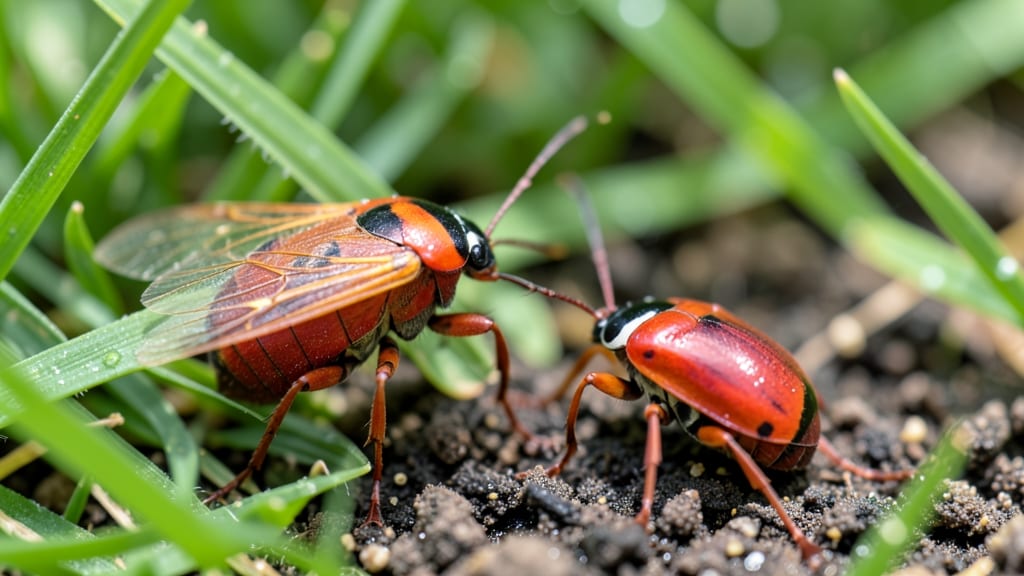
Red lawn bugs are turning your grass into a patchy, brown mess faster than you can say "spring cleanup." 🌱 I’ve battled chinch bugs, fire ants, and other red invaders that leave behind dead patches—until I discovered the 48-hour fix that actually works.
The key isn’t just killing what you see but stopping the cycle before it spreads.
Most red lawn bugs—like chinch bugs or fire ants—thrive in dry, sunny spots, sucking life from grass roots and leaving behind crispy patches that look like drought damage.
The problem? Overwatering or chemical overkill often makes things worse. My method focuses on targeted treatment that works fast without harming your lawn’s health long-term.
In just two days, you’ll see those dead patches green up again as the bugs retreat (or meet their match). The secret? A mix of natural repellents, strategic watering, and a little elbow grease to break their life cycle. No more guessing—just results that last through the season.
Whether you’re dealing with chinch bugs, fire ants, or another red menace, this approach works for any lawn type—from shady patches to full-sun yards. Let’s get your grass back to lush in no time.
Root Causes Of Lawn Invaders
If your lawn is suddenly dotted with red, worm-like critters wriggling through the grass, you’re likely dealing with one of nature’s most persistent pests: red lawn grubs. These C-shaped larvae—often mistaken for earthworms—can turn a lush green yard into a patchy, brown mess if left unchecked.
But why do they show up in the first place? The answer lies in a mix of environmental factors, plant health, and even human habits. Let’s break down the real reasons these pests invade your lawn—and how to prevent them from coming back.
Grubs thrive in soft, moist soil, which is why they’re often found in lawns that receive excessive watering or heavy fertilization. Here’s the science:
- Too Much Water: Grubs need moisture to survive, and overwatering creates the perfect breeding ground. When soil stays damp for prolonged periods, it signals to female beetles (their adult form) that conditions are ideal for laying eggs.
- Excess Nitrogen Fertilizer: High-nitrogen fertilizers stimulate rapid grass growth, but they also make grass softer and more appealing to grubs. The tender roots become an all-you-can-eat buffet for these larvae.
- Poor Drainage: If your lawn sits in water after rain or irrigation, the soil stays saturated, creating a grub paradise. Test your drainage by walking on your lawn—if it feels squishy, you’ve got a problem.
Actionable Fix: Adjust your watering schedule to deep but infrequent sessions (1–1.5 inches per week) and avoid fertilizing in late summer or fall, when grubs are most active.
Grubs don’t just appear out of nowhere—they hatch from eggs laid by adult beetles. These beetles, often Japanese beetles or June bugs, are drawn to lawns based on a few key factors:
- Grass Type: Grubs prefer cool-season grasses like Kentucky bluegrass and tall fescue, which stay green longer and provide ample food for larvae.
- Time of Year: Beetles lay eggs in late summer to early fall (July–September in most regions). If your lawn is lush during this window, you’re a prime target.
- Scent & Vibrations: Studies show beetles are attracted to healthy, actively growing grass because it emits chemical signals (like volatile organic compounds) that indicate abundance.
Actionable Fix: Monitor your lawn in late summer for adult beetles (they’re often seen chewing leaves). If you spot them, act fast—grubs will emerge within 2–3 weeks.
Grubs don’t just attack any lawn—they target stressed grass. When your lawn is weak, it can’t fight back, making it easier for grubs to feast unchecked. Common stressors include:
- Compacted Soil: Heavy foot traffic or machinery compacts soil, reducing oxygen and root growth. Grubs love compacted areas because the roots are already struggling.
- Disease or Fungal Issues: Lawns with brown patch or dollar spot are more vulnerable. Fungal damage weakens roots, making them easier for grubs to consume.
- Thatch Buildup: A thick thatch layer (over ½ inch) traps moisture and blocks nutrients, creating a grub-friendly environment.
Actionable Fix: Aerate your lawn in early fall to relieve compaction, and overseed bare spots to strengthen turf density.
Grubs are warm-weather pests, and their populations explode in regions with:
- Hot Summers: Temperatures between 70–90°F speed up their life cycle. Eggs hatch faster, and larvae grow bigger in just 4–6 weeks.
- High Humidity: Moist air keeps soil damp longer, extending the grubs’ active season. Southern states (like Texas, Florida, and the Southeast) see worse infestations because of this.
- Mild Winters: In areas where winters aren’t freezing, grubs can survive longer, leading to year-round damage.
Actionable Fix: If you live in a humid climate, apply grub control in early spring (before eggs hatch) and again in late summer to disrupt their life cycle.
Now that you know why these red lawn pests show up, the next step is how to kick them out for good. The key? Strike early—once grubs are established, they’re nearly impossible to eradicate without heavy-duty treatments.
Quick Fixes for a Healthy Lawn
If your lawn is under siege by red lawn pests, don’t panic—these solutions will help you reclaim your grass in no time. Below, we’ve mapped the most common causes of these pesky invaders to practical fixes, along with prevention tips to keep your lawn lush and bug-free.
Let’s get started!
Before diving into treatments, confirm what’s causing the damage. Red lawn bugs are often:
- Japanese beetles (skeletonized leaves, chewed grass blades)
- Chinch bugs (wilting patches, brown grass)
- Grubs (spongy turf, easy-to-pull grass)
- Ants (mounds, trails, or red swarms)
Pro Tip: 🔍 Grab a magnifying glass or take a close-up photo—identifying the bug will save you time and money on the wrong treatments!
👨🍳 Hand-Picking & Natural Traps (For Light Infestations)
If you spot a few red bugs but not a full-blown invasion, manual removal works well:
- Morning hand-picking: 🌅 Japanese beetles are sluggish in the cool morning hours—fill a bucket with soapy water and dispose of them.
- DIY beer traps: 🍺 Bury a shallow container filled with beer near affected areas—beetles will drown in it overnight.
- Neem oil spray: 🌿 Mix 2 tbsp neem oil with 1 gallon of water and 1 tsp dish soap. Spray on leaves (avoid direct sun to prevent burning).
⏰ Best for: Small patches, early detection, or organic preferences.
🔪 Chemical Controls (For Severe Damage)
If your lawn is heavily damaged, targeted pesticides can help:
- Grub control: Apply imidacloprid or trichlorfon granules in early summer to kill larvae before they mature.
- Chinch bug treatment: Use bifenthrin or carbaryl sprays—focus on hotspots where grass is wilting.
- Japanese beetle baits: 🍎 Use milky spore (long-term) or pyrethrin-based sprays for quick knockdown.
⚠️ Safety Note: Always follow label instructions, wear protective gear, and avoid spraying on windy days to protect pets and kids.
🌱 Lawn Recovery & Repair
After treating the bugs, your lawn may need a boost to bounce back:
- Overseed bare spots: 🌱 Use a high-quality grass seed mix and cover with straw to protect new growth.
- Water deeply but less often: 💦 Encourages deep roots—1–1.5 inches per week.
- Aerate compacted soil: 🏃♂️ Rent a core aerator to help roots breathe and recover faster.
Stop red lawn bugs before they start with these strategies:
💡 Cultural Controls (No Chemicals Needed)
- Mow high: Keep grass at 3–4 inches—taller grass shades out pests and retains moisture.
- Remove thatch: 🪓 Use a rake or dethatcher to prevent grubs from hiding in thick layers.
- Encourage natural predators: 🐞 Ladybugs, birds, and toads eat Japanese beetles—plant native flowers to attract them.
🌡️ Seasonal Maintenance Schedule
| Season | Task | Why It Works |
|---|---|---|
| Spring | Apply preventative grub control | Stops larvae before they hatch. |
| Summer | Monitor for beetle activity | Act fast—adults lay eggs in warm weather. |
| Fall | Overseed and aerate | Strengthens grass before winter pests. |
| Winter | Remove debris & thatch | Reduces hiding spots for overwintering bugs. |
✨ Smart Landscaping Choices
- Avoid broadleaf plants (beetles love roses, grapes, and linden trees)—opt for resistant varieties like marigolds or catnip.
- Install a barrier: 🏗️ Bury copper tape around garden edges to deter chinch bugs.
- Use mulch strategically: 🌿 Wood chips suppress weeds and deter some pests.
If your lawn is over 50% damaged or you’re dealing with a recurring infestation, a local lawn care expert can:
- Perform a soil test to check for underlying issues.
- Apply targeted, professional-grade treatments.
- Recommend customized fertilization for faster recovery.
Don’t let red lawn bugs ruin your weekend—act fast, stay consistent, and your grass will be back to its green glory in less than 48 hours with the right approach!
Frequently asked questions
What are the most common types of red lawn bugs?
You're likely dealing with one of these: chinch bugs (tiny, red-black bugs that cause wilting patches), Japanese beetles (green with copper heads that chew leaves), fire ants (aggressive red ants building mounds), or grubs (C-shaped white larvae that create spongy turf). Each requires different treatment approaches.
Why do red lawn bugs suddenly appear in my yard?
They're usually drawn by overwatered soil, excess nitrogen fertilizer, or thatch buildup—all of which create perfect breeding conditions. Warm weather (70-90°F) and humid climates also accelerate their life cycles, causing outbreaks to happen faster than you might expect.
How can I tell if my lawn damage is from grubs vs. chinch bugs?
Grubs create spongy turf that pulls up easily, while chinch bugs cause brown patches that spread outward like a sunburn. Lift a small section of grass: if you see white C-shaped larvae, it's grubs; if you find tiny red bugs, it's chinch bugs. The treatment differs significantly!
Are there natural ways to get rid of red lawn bugs without chemicals?
Yes! Try these non-toxic methods first: neem oil spray (mix 2 tbsp with 1 gallon water), milky spore for grubs, or beer traps for beetles. For chinch bugs, diatomaceous earth (food-grade) works well when applied dry. Reapply after rain or watering.
How often should I check my lawn for red bugs?
Inspect your lawn weekly during peak seasons (late summer to early fall). Focus on hotspots like dry patches or areas near sidewalks. Morning is best—bugs are sluggish then. If you spot adults (beetles or ants), treat immediately, as eggs will hatch within 2-3 weeks.