I’ve been obsessed with gardening since I was a kid, stealing seeds from my grandfather’s sunflower patch and sneaking them into my mother’s flowerbeds. Now, I spend my days surrounded by soil and plants, learning how to coax life from the earth—whether it’s coaxing tomatoes to ripen early or helping new gardeners avoid the mistakes I made as a beginner. This site is my way of sharing the joy of gardening, the little tricks that make it easier, and the quiet satisfaction of watching something grow from seed to harvest.
Recipes by Marcus Zamora
Back to all recipes
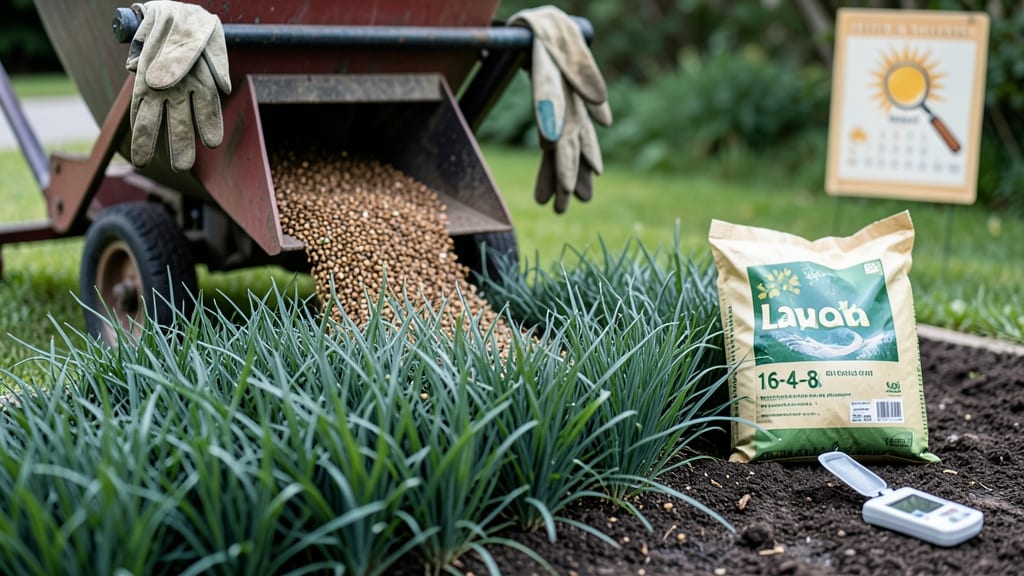
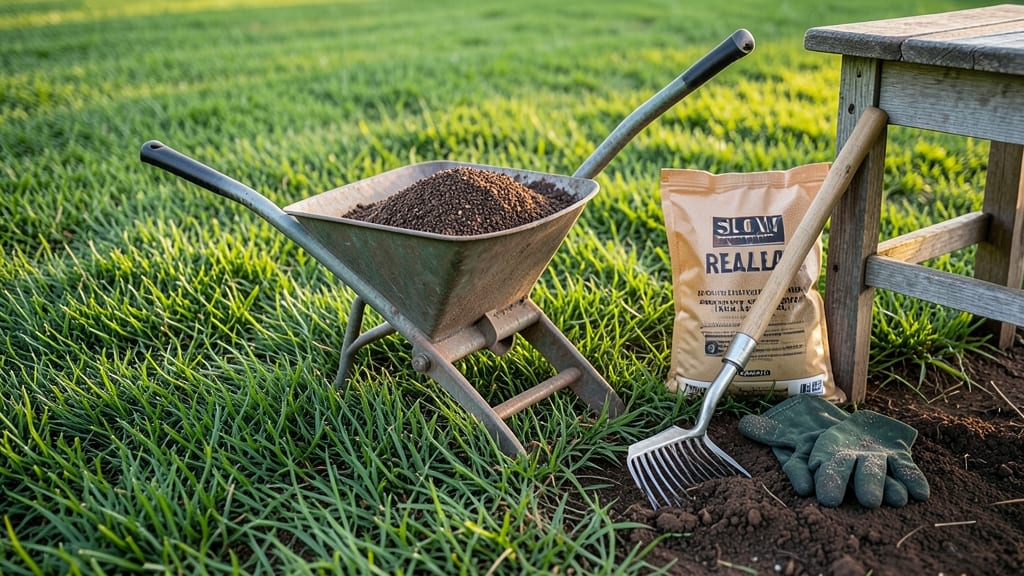
💥 Quick Answer To fertilize your lawn, apply slow-release fertilizer in early spring (just before active growth) and late summer (for fall recovery), adjusting timing based on grass type and local climate for optimal…
Read more
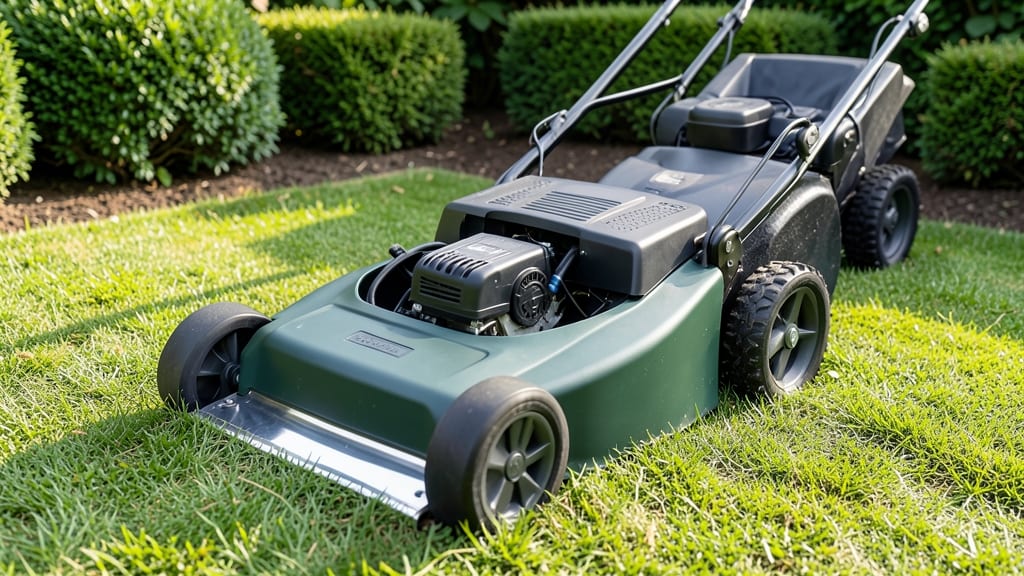
💥 Quick Answer A hydrostatic lawn mower is a type of mower that uses fluid-driven power to adjust cutting speed automatically, replacing traditional transmissions and clutches. This design delivers smooth acceleration…
Read more
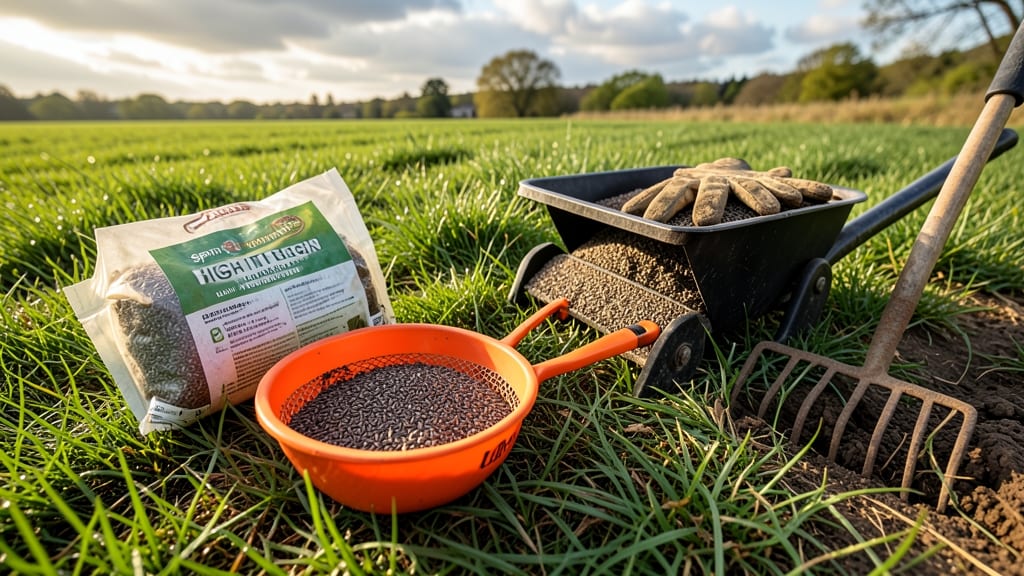
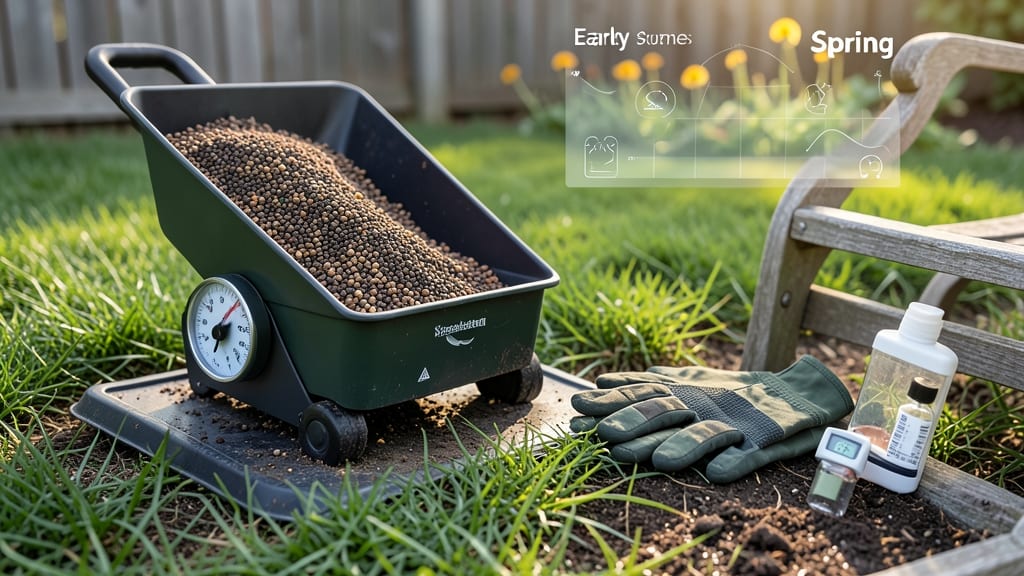
💥 Quick Answer To seed and fertilize lawn in spring, timing depends entirely on your climate zone: cool-season grasses (like those in the Northeast) should be seeded in early spring (March-April) and fertilized 4-6…
Read more
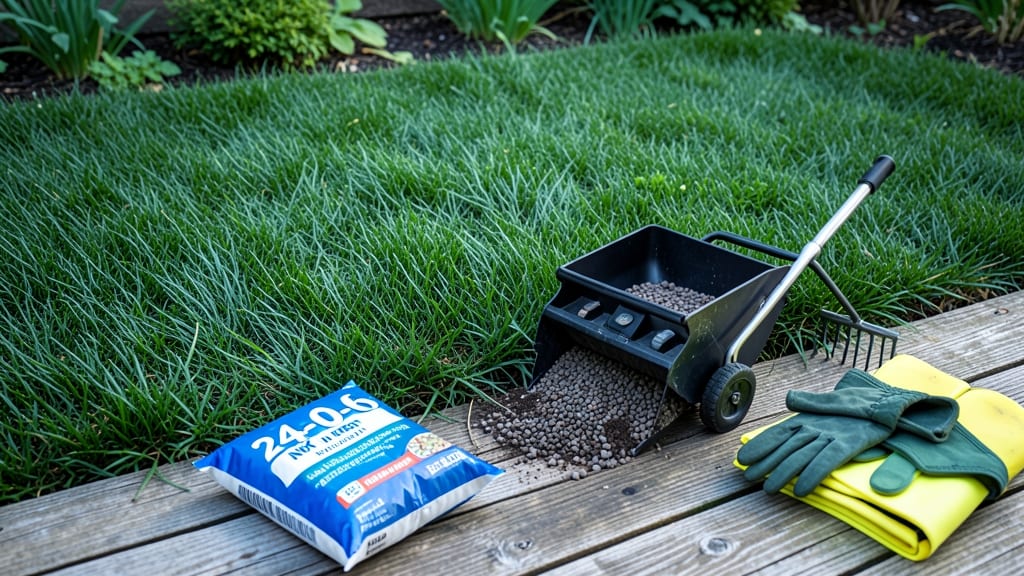
Fertilizing your lawn in spring at the right time can transform a patchy, weak yard into a vibrant green carpet —but get it wrong, and you’ll waste money or even harm your grass. Timing your spring lawn fertilization…
Read more
💥 Quick Answer To fertilize your lawn in Texas, timing depends on your grass type: cool-season varieties like Bermuda should be fed in late spring (May-June) and early fall (September-October) , while warm-season…
Read more
💥 Quick Answer The best time to fertilize lawn is during active growth periods, typically early spring and fall for most regions, with cool-season grasses also benefiting from late summer applications. Timing matters…
Read more
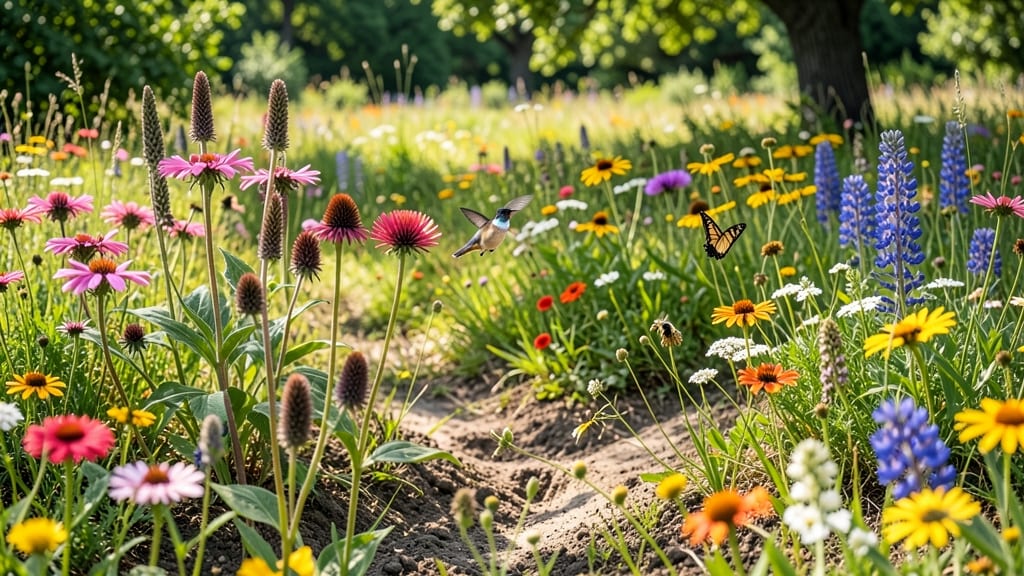
💥 Quick Answer Real lawns have native biodiversity creates resilient ecosystems that attract pollinators, conserve water, and eliminate the need for synthetic fertilizers while demanding far less upkeep than traditional…
Read more
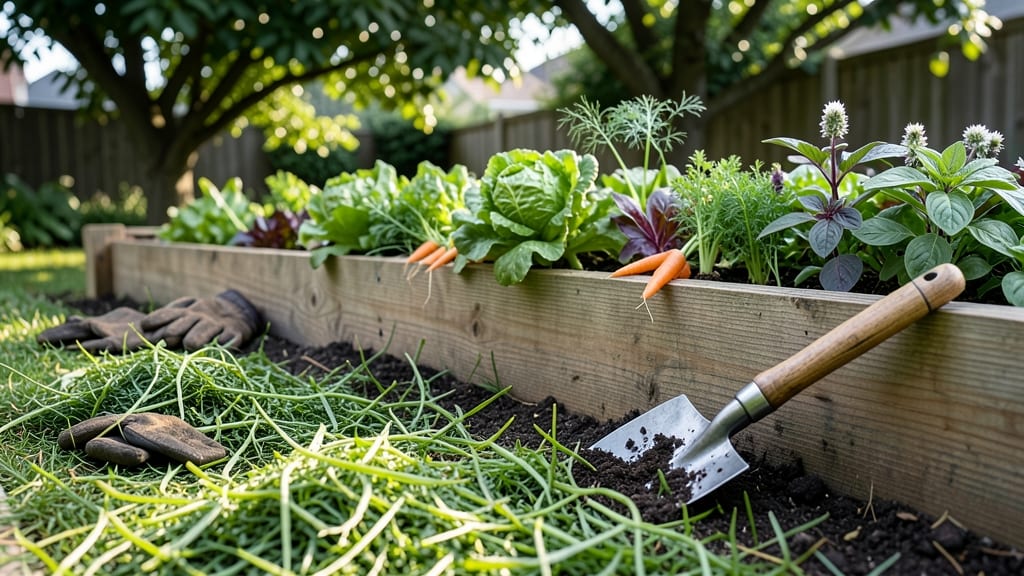
💥 Quick Answer Using lawn clippings in your garden boosts soil fertility, suppresses weeds, and reduces waste when applied correctly—just avoid thick layers that can smother plants or attract pests. Mulch lightly or…
Read more
You should fertilize your lawn in early spring, late spring, summer, and fall to keep it thriving all season long 🌱 — but timing is everything, and most people get it wrong. Picture this: you’ve just spent $50 on…
Read more
💥 Quick Answer Selecting the best lawn levelling tool depends on your project size and terrain: hand rakes suit small, flat areas perfectly, while vibratory plates excel at smoothing large, uneven surfaces efficiently…
Read more