
Lawn
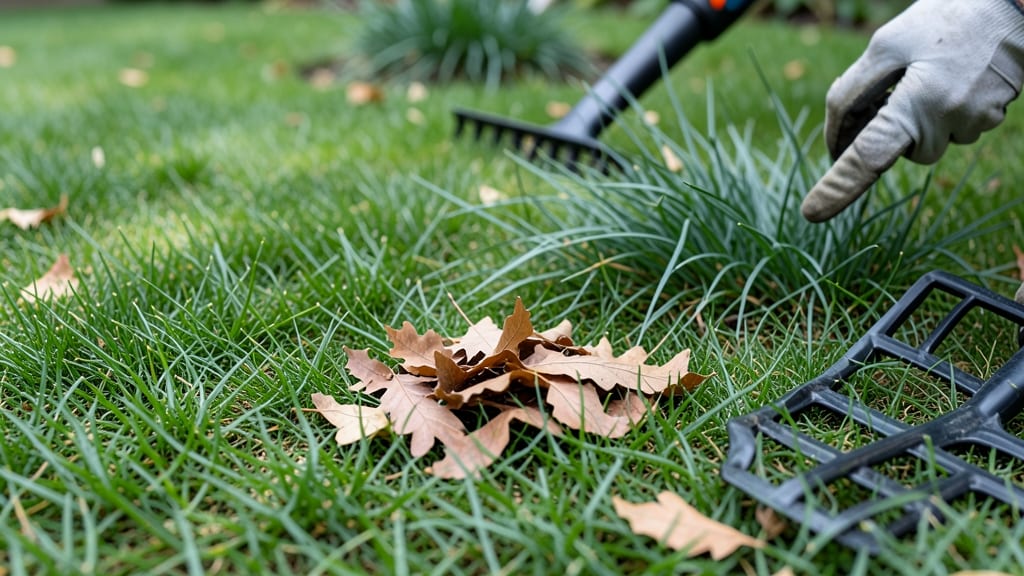
Leaves are good for the lawn when used properly, acting as natural mulch that enriches soil with organic matter and retains moisture. However, thick accumulations block sunlight and promote fungal growth, so regular raking is essential for maintaining a healthy lawn.
Leaves break down over time, releasing essential nutrients like nitrogen, phosphorus, and potassium that feed grass roots. 🌿 When spread thinly, they create a protective layer that locks in moisture and regulates soil temperature, creating ideal conditions for grass growth.
The key is balance—too many leaves create a suffocating mat, while a light layer works like a natural fertilizer.
For best results, aim for a layer no thicker than ¼ inch. This thickness allows sunlight to reach the grass while still providing soil benefits. If leaves pile up beyond this, use a rake to redistribute them evenly or collect them for composting.
Early fall is the ideal time to mulch leaves before winter sets in, giving them time to decompose naturally.
💡 In This Article
- How Fallen Leaves Improve Soil Health
- When and How to Rake Leaves for a Healthy Lawn
How fallen leaves improve soil health
When leaves decompose, they transform into a nutrient powerhouse through a process called humification. Microorganisms like bacteria and fungi break down cellulose and lignin in leaves, converting them into humus—a dark, spongy substance rich in organic matter.
This process releases essential nutrients like nitrogen (N), phosphorus (P), and potassium (K), which grass roots eagerly absorb. A single layer of shredded leaves can add up to 20% organic matter to soil over a season, improving its structure and fertility.
The magic happens below the surface. Mulched leaves create tiny air pockets that enhance soil aeration, while their fibrous texture helps retain moisture—up to 30% more water compared to bare soil. This moisture retention is especially valuable during dry spells, as leaves act like a natural sponge.
The decomposition also stimulates beneficial microbes, which outcompete harmful pathogens, creating a healthier root zone for your grass. 🌱
Not all leaves decompose at the same rate. Broadleaf trees like maple and oak break down faster (typically 3-6 months) due to their thinner structure, while pine needles take longer (12+ months) because of their waxy coating.
Shredding leaves accelerates decomposition by increasing surface area for microbial activity, turning them into soil-enriching mulch up to 4 times faster than whole leaves.
However, the benefits only apply when leaves are spread thinly. A thick layer (over ½ inch) creates a suffocating mat that blocks sunlight, smothers grass, and traps excess moisture—perfect conditions for fungal diseases like snow mold.
The ideal thickness is ¼ inch or less, which allows sunlight to reach grass while still providing soil benefits. This balance is why professional lawn care often recommends "leaf mulching" over raking.
Consider this comparison: A 100-square-foot lawn covered with ½-inch-thick leaves could lose 50% of its photosynthetic capacity due to light deprivation. Yet, the same leaves shredded and spread thinly would add 1-2 pounds of organic matter to that same area, improving soil health year-round.
The difference lies in how you manage them.
For maximum benefits, aim to mulch leaves before winter arrives. Cold temperatures slow decomposition, so fall is the prime time to let nature work its magic. The nutrients released during this period give grass roots a head start in spring, resulting in greener, more resilient lawns. 🌿