
Mower
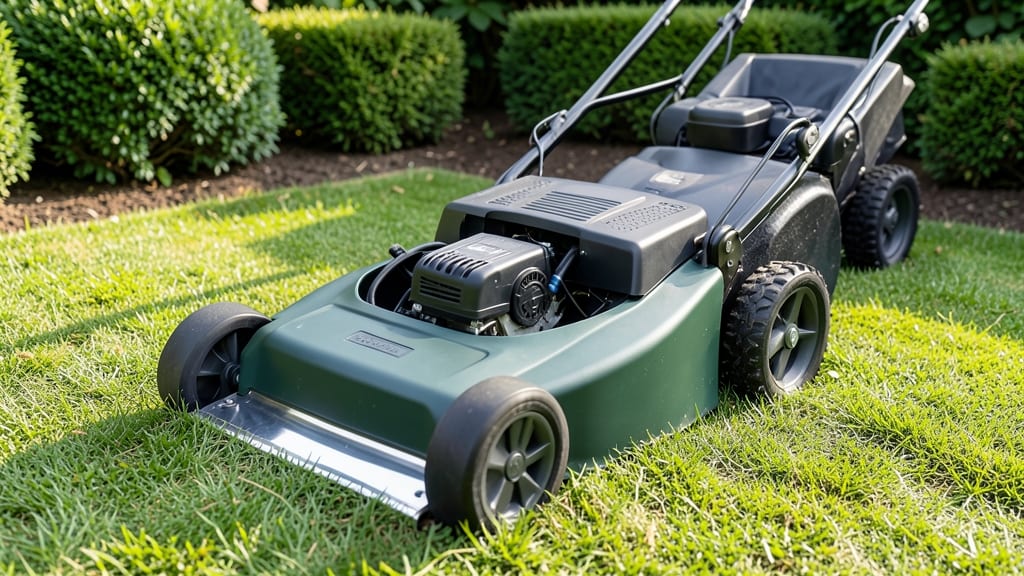
A hydrostatic lawn mower is a type of mower that uses fluid-driven power to adjust cutting speed automatically, replacing traditional transmissions and clutches. This design delivers smooth acceleration and precise control, especially on uneven terrain.
A hydrostatic lawn mower works by circulating hydraulic fluid through a sealed system to transfer power from the engine to the wheels. Unlike traditional belt or gear systems, this fluid-driven approach allows for instant speed adjustments—just like pressing a gas pedal in a car. 🔥 This makes it perfect for navigating slopes or thick grass, where sudden stops and starts are common.
The system also reduces wear on components since there's no need for belts or gears to constantly engage and disengage.
The real advantage comes when you're mowing hilly yards or tight spaces. Traditional mowers can struggle with sudden inclines, often requiring you to shift gears manually. With hydrostatic models, the speed changes automatically as you apply pressure to the handle, giving you more natural control.
Plus, the smoother operation means less vibration, making long mowing sessions far more comfortable.
💡 In This Article
- How Hydrostatic Transmission Works in Lawn Mowers
- Best Hydrostatic Lawn Mowers for Different Yard Sizes
How hydrostatic transmission works in lawn mowers
The hydrostatic transmission in these mowers operates like a fluid-based power train, using hydraulic pumps and motors to transfer energy. At its core, this system consists of a gear pump connected to the engine, which draws hydraulic fluid from a reservoir and pressurizes it.
This pressurized fluid then flows through a pressure-compensated valve to a hydrostatic motor mounted on the drive wheels.
When you push the speed lever, the valve redirects fluid flow, increasing or decreasing pressure to the motor, which in turn adjusts wheel speed instantly—similar to how a car's throttle responds to pedal pressure.
The magic happens in how this system handles load variations. Traditional belt-driven mowers rely on fixed gear ratios, forcing you to manually shift gears when encountering thick grass or hills. In contrast, hydrostatic systems automatically adjust torque and speed based on resistance.
For example, when mowing uphill, the system senses increased load and automatically reduces speed while increasing torque to maintain power. This self-adjusting capability is why hydrostatic mowers excel on sloped terrain—they can handle inclines up to 30 degrees without stalling, whereas many belt-driven models struggle beyond 15 degrees.
The fluid also acts as a natural shock absorber, reducing vibration by up to 40% compared to gear-driven systems.
What sets hydrostatic transmissions apart is their infinite speed variation. Traditional transmissions use discrete gears (like 1st, 2nd, or 3rd), creating noticeable speed jumps. Hydrostatic systems, however, offer smooth, continuous speed control—think of it like a car with an infinitely variable transmission (IVT).
This precision is especially valuable when edging near flower beds or maneuvering around obstacles. The system also eliminates the need for a separate clutch, reducing mechanical complexity and potential failure points. Over time, this translates to 30-50% fewer maintenance tasks compared to belt or gear systems.
Let's break down the key components that make this possible:
- Hydraulic Pump: Converts engine power into pressurized fluid flow (typically 1,500-3,000 PSI in residential mowers)
- Pressure Compensator: Maintains consistent fluid pressure regardless of load changes
- Hydrostatic Motor: Converts fluid pressure back into mechanical rotation for the wheels
- Fluid Reservoir: Stores 1-2 quarts of hydraulic oil, which also acts as a coolant
The fluid itself is specially formulated to handle the extreme pressures and temperatures generated during operation. Most hydrostatic mowers use ATF (Automatic Transmission Fluid) or hydraulic oil with a viscosity rating of 10W-30 to 15W-40, designed to remain stable between -20°F and 180°F.
This stability ensures reliable performance even in extreme outdoor conditions, from freezing winter mornings to scorching summer afternoons. The sealed system also protects components from debris and moisture, extending the mower's lifespan.
One common misconception is that hydrostatic transmissions are less efficient than traditional systems. In reality, modern hydrostatic drives achieve 85-90% mechanical efficiency—meaning only 10-15% of power is lost as heat through fluid friction.
While belt-driven systems might approach 95% efficiency in ideal conditions, they lose efficiency dramatically when shifting gears or encountering resistance. The trade-off? Hydrostatic systems deliver superior performance in real-world conditions, where efficiency matters more than theoretical maximums.
For homeowners with hilly yards or dense grass, this technology represents a game-changer. Imagine mowing a 20-degree slope with thick, wet grass—what would normally require multiple gear shifts becomes effortless with hydrostatic drive.
The system's ability to instantly adjust to changing terrain makes it the preferred choice for commercial landscapers and homeowners with challenging properties. 💫