
Lawn
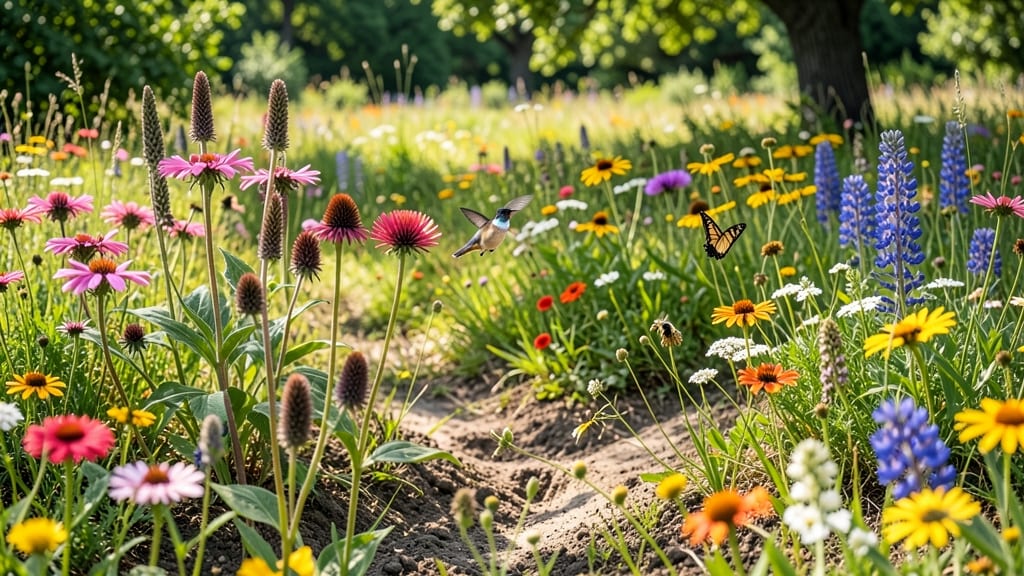
Real lawns have native biodiversity creates resilient ecosystems that attract pollinators, conserve water, and eliminate the need for synthetic fertilizers while demanding far less upkeep than traditional grass lawns.
Real lawns with native biodiversity transform lawns from sterile green carpets into vibrant mini-ecosystems. Unlike monoculture grass, which thrives only with constant watering and chemicals, native plants develop deep root systems that prevent erosion and retain moisture. 🌱 This natural resilience means fewer mowing sessions and zero pesticides—plus, you'll see butterflies, bees, and birds visiting regularly. The best part? Many native species are drought-tolerant once established, cutting your water bill while keeping your "lawn" lush year-round.
For homeowners, this means swapping out Kentucky bluegrass for clover mixes or regional wildflowers that still provide ground cover but with 70% less maintenance. The upfront transition takes planning—soil testing and proper seed selection matter—but the long-term payoff is both ecological and financial.
💡 In This Article
- How Native Biodiversity Strengthens Lawn Ecosystems
- Designing a Low-Maintenance Native Lawn
How native biodiversity strengthens lawn ecosystems
Native plants create a self-sustaining ecosystem by forming deep root networks that reach 3-5 feet underground, compared to grass roots that max out at 1-2 feet.
These roots break up compacted soil, allowing water to penetrate 30-50% deeper while preventing runoff. 🌱 This natural irrigation system means native lawns stay green during droughts with 40% less water than traditional grass, which often requires weekly irrigation in summer months.
The real magic happens above ground. Native wildflowers and grasses produce nectar-rich blooms that attract pollinators like bees and butterflies—some studies show native lawns support 20-30% more pollinator species than monoculture grass.
These plants also host beneficial insects that naturally control pests, eliminating the need for chemical pesticides that harm soil microbes and groundwater. The diversity creates a natural pest resistance where one plant's weaknesses are another's strengths.
Soil health improves dramatically with native plants because their varied root structures prevent erosion while decomposing into organic matter. Unlike grass, which forms a dense mat that suffocates soil life, native plants create a porous canopy that allows 2-3 times more microbial activity in the topsoil.
This biological activity breaks down nutrients more efficiently, reducing the need for synthetic fertilizers that often leach into local waterways.
Consider the contrast: a standard lawn might need mowing every 7-10 days during growing season, while native lawns with clover and wildflower mixes often require mowing just 3-4 times per year. The varied plant heights create visual interest while reducing the need for perfect uniformity.
Native lawns also handle foot traffic better because their fibrous root systems absorb shock rather than forming compacted paths like grass.
One often-overlooked benefit is temperature regulation. Native plants with broad leaves provide 3-5°F cooler microclimates during summer heat compared to asphalt or grass, thanks to increased shade and evapotranspiration. This cooling effect extends to nearby buildings, reducing urban heat island effects in residential areas.
The combination of these factors makes native lawns not just beautiful but functionally superior to traditional grass.
For example, replacing 1,000 square feet of Kentucky bluegrass with a native mix containing 30% wildflowers and 70% native grasses could reduce your water bill by $50-$80 annually while eliminating fertilizer costs.
The initial transition requires careful planning, but the ecological and financial dividends accumulate over time as the system matures. 💚