
Lawn
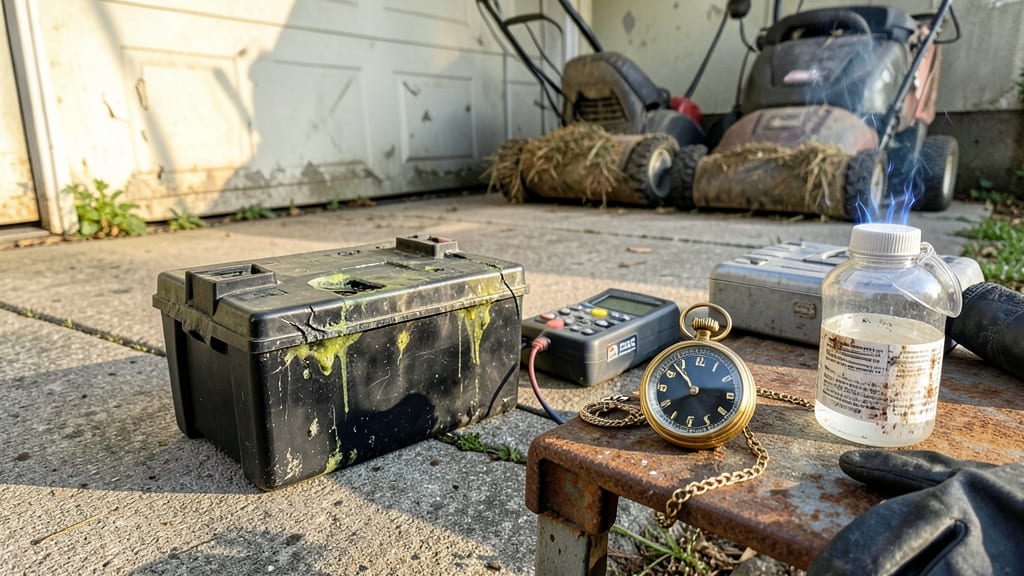
Yes, you can overcharge a lawn mower battery, and it poses serious risks like overheating, reduced capacity, or even fire hazards. Always use a charger matched to your battery type and strictly follow the manufacturer's voltage and time recommendations.
Overcharging triggers harmful chemical reactions inside the battery, particularly in lead-acid types where excess current causes electrolyte breakdown and hydrogen gas buildup.
This buildup not only damages internal components but can also create dangerous pressure if the battery isn't properly vented. Lithium-ion batteries are slightly more resilient but still suffer from thermal runaway when overcharged, leading to permanent capacity loss.
I've seen batteries swell or leak acid after just one improper charging cycle, so it's always safer to err on the side of caution. 🔥
Most modern chargers have automatic shut-off features, but even these can fail if left unattended. For lead-acid batteries, never exceed 14.4 volts for more than 24 hours, and always remove the charger once the battery reaches full charge.
Lithium-ion batteries typically need 14.6 volts but should never exceed 15 volts. Regular maintenance like checking water levels (for lead-acid) and storing batteries in cool, dry places also extends their lifespan significantly.
💡 In This Article
- How Overcharging Damages Lawn Mower Batteries
- Safe Charging Practices for Lawn Mower Batteries
How overcharging damages lawn mower batteries
Overcharging triggers a chain reaction inside your battery that starts with excessive current pushing beyond its designed capacity. For lead-acid batteries (the most common type in lawn mowers), this forces water in the electrolyte solution to break down into hydrogen and oxygen gases through a process called electrolysis.
These gases build up pressure inside the battery, which can cause it to bulge, crack, or even explode if the vent cap is blocked. 🔥 The sulfuric acid in the electrolyte also becomes more concentrated, corroding internal components and reducing the battery's ability to hold charge over time.
Lithium-ion batteries, while more modern, face different but equally destructive consequences when overcharged. Excess voltage forces lithium ions to deposit unevenly on the anode, forming sharp metal filaments called dendrites.
These dendrites can pierce the separator between electrodes, creating a short circuit that generates extreme heat—often leading to thermal runaway, where the battery's temperature spirals out of control and can ignite.
Unlike lead-acid batteries, lithium-ion types don't give visual warnings like bulging; instead, they may swell silently or leak flammable electrolyte. A single overcharge cycle can permanently damage a lithium-ion battery's capacity, reducing its lifespan from years to months.
The physical toll of overcharging extends beyond internal damage. Lead-acid batteries develop sulfation—a crust of lead sulfate crystals that forms on the plates, insulating them from the electrolyte and drastically cutting performance.
This is why an overcharged battery might seem "fine" at first but then fail suddenly after months of reduced capacity. Lithium-ion batteries, meanwhile, suffer from delamination, where the layers of the anode or cathode separate due to heat stress, further degrading their structural integrity.
Both types also experience increased internal resistance, making them work harder to deliver power and accelerating overall wear.
Temperature plays a critical role in how quickly damage occurs. Batteries charged at high temperatures (above 80°F) degrade 2-3 times faster than those kept cool. Overcharging exacerbates this effect, as the excess energy converts directly into heat.
I've seen batteries reach 140°F or higher during overcharging—hot enough to warp plastic casings and melt internal seals. Even if the battery doesn't fail immediately, this heat stress shortens its total lifespan by 50% or more, making prevention far cheaper than replacement.
One common misconception is that "modern chargers" eliminate overcharging risks. While automatic chargers with desulfation or float charge modes are safer, they're not foolproof. A faulty charger, incorrect voltage setting, or leaving it plugged in too long can still cause damage.
For example, a 12-volt lead-acid battery charged at 15 volts (instead of the correct 14.4 volts) will overheat within 2-3 hours. Always double-check your charger's specifications against your battery's requirements—even a 0.5-volt difference can make a critical impact over time.
Visual signs of overcharging include:
- Bulging or bloated casing: Indicates gas buildup in lead-acid batteries or internal pressure in lithium-ion types
- Leaking electrolyte: Corrosive greenish liquid around terminals or white crystalline deposits (sulfation)
- Excessive heat: Battery feels unusually warm to the touch (above 120°F is dangerous)
- Reduced runtime: Battery drains faster than usual or struggles to start the mower
If you notice any of these, disconnect the battery immediately and inspect it in a well-ventilated area. 💫