
Lawn
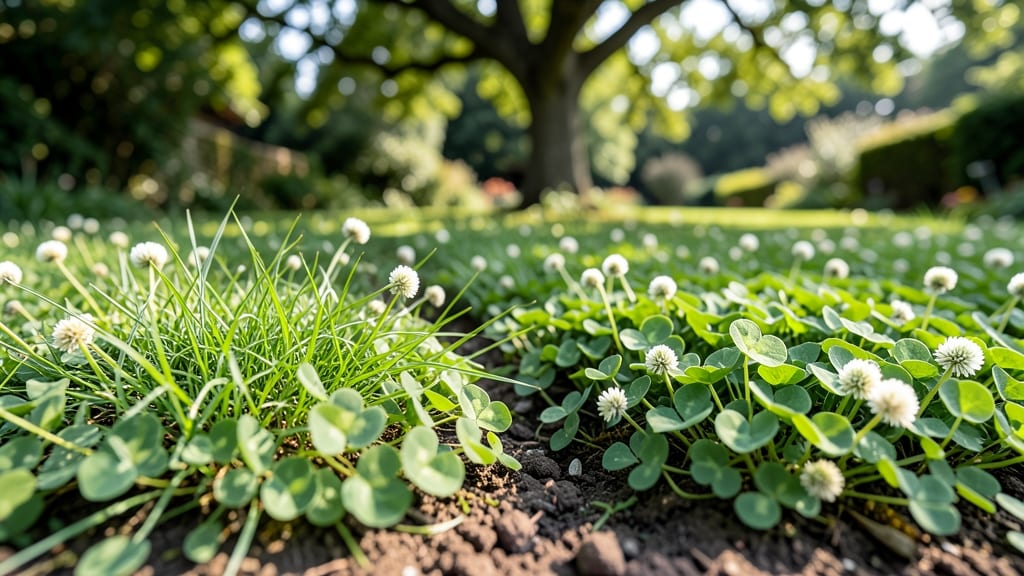
Clover lawns grow between 1 to 5 inches tall depending on the variety, making them a low-maintenance alternative to traditional grass that stays neatly trimmed with minimal effort.
If you're considering clover as a low-maintenance alternative to traditional grass, knowing its height range is crucial—because what starts as a lush, green carpet can quickly turn into an unruly jungle if left unchecked.
White clover typically stays on the shorter side, around 1 to 3 inches, while Dutch clover can reach up to 5 inches without regular mowing. The key to keeping it manageable is understanding how each type grows and when to step in with a trim.
In this guide, I’ll break down the height ranges by variety, share tips for controlling growth, and explain why clover’s natural height makes it a drought-resistant, low-maintenance choice for busy homeowners.

Clover lawn height ranges by variety: white vs. red vs. Dutch clover
If you're swapping traditional grass for clover, understanding its height ranges by variety is key to maintaining that perfect lawn look. Unlike grass, clover grows in distinct patterns—some stay low and dense, while others reach for the sky if unchecked.
Let’s break down the mature heights and growth habits of the three most popular types: white clover, red clover, and Dutch clover.
Clover’s height isn’t just about aesthetics—it directly impacts mowing frequency, drought tolerance, and even pollinator benefits. For example, Dutch clover stays compact, making it ideal for high-traffic areas, while red clover can grow tall and flowery, attracting bees but needing more maintenance.
Knowing these differences helps you choose the right variety for your yard’s needs and climate.
Visual comparison is everything when managing clover lawns. Below, you’ll see a side-by-side breakdown of how tall each variety grows, their ideal mowing heights, and seasonal growth patterns. This table will help you visualize how your clover might look at different stages—from spring sprouts to summer maturity.
| Variety | Mature Height | Ideal Mowing Height | Growth Pattern | Best For |
|---|---|---|---|---|
| White Clover | 3–6 inches | 1–2 inches | Slow, dense spread | Low-maintenance lawns, shade tolerance |
| Red Clover | 12–24 inches | 3–4 inches (before flowering) | Fast vertical growth, flowers early | Pollinator gardens, wildflower mixes |
| Dutch Clover | 1–3 inches | ½–1 inch (frequent mowing) | Creeping, low to ground | High-traffic areas, erosion control |
White clover is the goldilocks of clover varieties—it stays compact yet lush, typically reaching 3–6 inches at maturity. This makes it perfect for yards where you want a soft, carpet-like lawn without the upkeep of grass.
Mow it to 1–2 inches to keep it dense and prevent seed pods from forming, which can make it look messy.
Red clover, on the other hand, is the rebel of the bunch. It can shoot up to 2 feet tall when it flowers, which happens quickly in spring and early summer. If you love wildflower aesthetics and don’t mind occasional mowing, red clover adds beauty and attracts pollinators.
But if left unchecked, it can dominate your lawn and require more frequent trimming to keep it tidy.
For those who want the ultimate low-maintenance lawn, Dutch clover is the winner. It stays under 3 inches tall and spreads horizontally, creating a thick, resilient ground cover. This variety thrives in high-traffic areas like kids’ play spaces or pet zones because it recovers quickly from foot traffic.
Mow it every 2–3 weeks at ½–1 inch to encourage dense growth and prevent it from developing seed heads.
Seasonal growth is another critical factor. Clover grows fastest in spring and fall, when temperatures are mild and moisture is abundant. During these times, you’ll need to mow more frequently to maintain your desired height.
In summer droughts, growth slows, and clover may go dormant, reducing the need for mowing. Understanding this pattern helps you adjust your lawn care routine throughout the year.
One common mistake is assuming all clover grows the same. Overlooking variety differences can lead to frustration—like planting red clover expecting it to stay short or letting Dutch clover grow tall because you didn’t mow it enough.
Always match your clover type to your yard’s needs: white for balance, red for pollinators, and Dutch for durability.
Pro tip: If you’re mixing clover with grass, aim for a 50/50 blend of white and Dutch clover to keep heights consistent. This combo gives you the best of both worlds: the softness of clover and the structure of grass.
Just remember, regular mowing is your best tool to control height and keep your clover lawn looking its best year-round.
Now that you know the height ranges, you’re ready to choose the perfect clover for your lawn—whether you want a neat, low-growing carpet or a wildflower-friendly meadow.
The key is consistent maintenance, and with these insights, you’ll be well on your way to a stunning, low-maintenance clover lawn. 🌱
How to control clover lawn height: mowing, trimming, and maintenance tips
Maintaining your clover lawn at the ideal height isn't just about looks—it's about keeping it healthy, dense, and low-maintenance. Unlike traditional grass, clover grows in clumps and thrives when mowed less frequently. The key is understanding when and how to trim it without stressing the plants.
Most clover varieties stay between 1 to 3 inches tall when well-maintained, but neglect can turn your lawn into a wildflower meadow overnight.
Clover's natural growth habit makes it drought-resistant and self-repairing, but that doesn't mean you can ignore it. Regular maintenance prevents seed pod formation (which spreads aggressively) and keeps your lawn looking neat and professional.
The best part? You'll spend far less time mowing than with traditional grass. Let's dive into the step-by-step approach to keep your clover lawn at its best height year-round.
- 🌱 Ideal Height Range: 1–2 inches (2.5–5 cm)
- 🌿 White Clover: 1–1.5 inches (2.5–4 cm)
- 🌿 Red Clover: 2–3 inches (5–7.5 cm)
- 🌿 Microclover: 0.5–1 inch (1.25–2.5 cm)
- ✂️ Mowing Frequency: Every 3–4 weeks (less in winter)
- ☀️ Best Growth Season: Spring and Fall
- 💧 Watering Tip: Deep watering 2x/week (no need for frequent shallow watering)
Start by setting your mower blade to the highest recommended height for your clover type. For most varieties, this means 1.5 to 2 inches. Cutting too short stresses the plants and encourages weed invasion.
Use a mulching mower to recycle clippings back into the soil—this adds nitrogen naturally and reduces waste. If you notice yellowing leaves after mowing, you're likely cutting too low.
Seasonal adjustments are crucial. In spring and fall, when clover grows most actively, you'll need to mow every 3 to 4 weeks. During summer droughts, reduce mowing to once every 6 weeks—clover goes dormant to conserve water.
In winter, skip mowing entirely unless snow buildup occurs. Always mow when the lawn is dry to avoid clumping and disease.
Avoid these common mistakes that lead to overgrowth: mowing too frequently (weakens roots), using a dull blade (tears plants), and ignoring seed pods (spreads uncontrollably). Instead, focus on consistent height maintenance and proper mowing techniques.
With the right approach, your clover lawn will stay lush, green, and effortlessly low-maintenance all season long.
For extra control, consider overseeding in early spring or fall if your lawn starts to thin. This fills gaps and keeps your clover dense and vibrant. Pair this with light fertilization (like a 5-10-10 NPK blend) in spring to encourage healthy growth without promoting excessive height.
Your clover lawn will thank you with years of minimal upkeep!