
Lawn
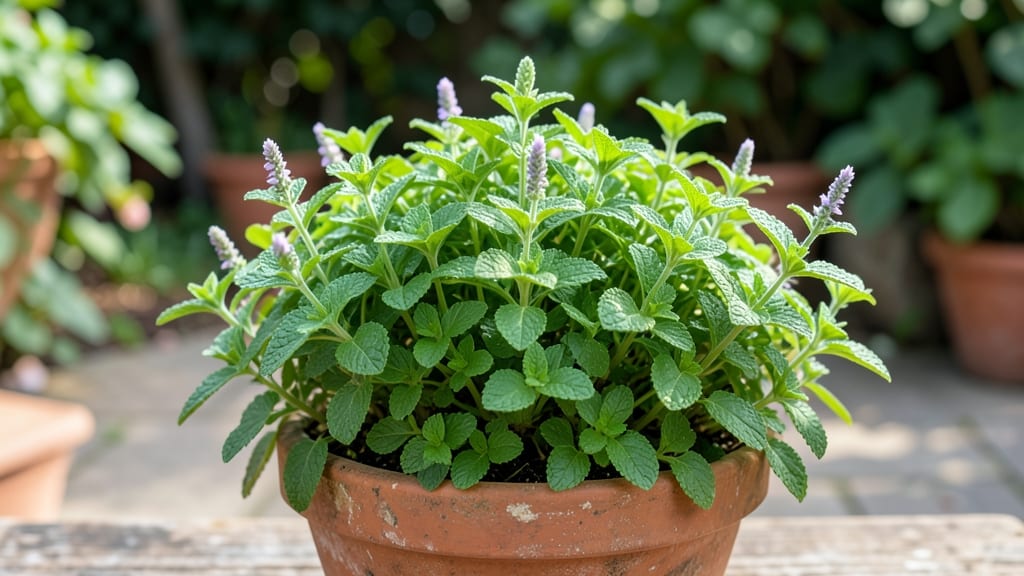
Creating a corsican mint lawn transforms your shady yard into a fragrant, soft carpet that smells like summer all year. 🌿 I remember the first time I walked barefoot across mine—it wasn’t just green, it was alive with that fresh, minty scent that lingers even after rain.
This isn’t your grandma’s grass; it’s a living ground cover that thrives where traditional lawns fail, spreading quickly in partial shade while staying lush and drought-resistant.
The secret to success starts with soil—it loves well-draining, slightly acidic earth, but won’t fuss if your yard is heavy clay as long as it’s not waterlogged. Plant in early spring when the soil warms to 60°F, spacing plugs 12 inches apart so they fill in fast.
Water deeply 2-3 times per week for the first month, then cut back to once a week once established. The roots grow deep, so once settled, it handles dry spells like a champ.
By summer, you’ll have a velvety-soft lawn that stays green even when your neighbor’s grass turns brown. Mow occasionally with a sharp reel mower (no bagger—clippings feed the plants) to keep it at 2-3 inches tall, and fertilize once in spring with a balanced organic blend.
The scent? Pure minty magic—kids love rolling on it, and bees adore the flowers that pop up in late spring.
Spread control is the only real challenge, but a 1-inch deep edging barrier keeps it from taking over flower beds. If it spreads too aggressively, simply mow the edges back regularly.
This isn’t just a lawn; it’s a sensory experience that turns your yard into a cool, fragrant retreat—no chemicals, no water waste, just pure, low-maintenance beauty.
📚 In This Guide
- What you need
- Instructions
- Tips and common mistakes
- Wrapping up and next steps
What you need
- ● Corsican mint (Mentha requienii) plants: 10–15 healthy nursery-grown plants (6–12 inches tall) for a 10' x 10' area. Pro tip: Choose organic, disease-free stock for the best results! 🌿
- ● Well-draining soil: 1–2 cubic yards of a mix of topsoil (60%) and compost (40%). Test soil pH (ideal: 6.0–7.0).
- ● Organic mulch: 2–3 bags of shredded hardwood mulch (to retain moisture and suppress weeds).
- ● Slow-release organic fertilizer: 10–20 lbs of 10-10-10 or a mint-specific blend (apply at planting).
- ● Garden trowel or transplanting spade (for digging small holes).
- ● Garden fork or rototiller (to loosen soil in larger areas).
- ● Rake (for leveling soil and spreading mulch).
- ● Hose with adjustable nozzle (for gentle watering).
- ● Measuring tape or string (to mark planting layout).
- ● Gloves and knee pads (for comfort during planting).
- ● Edging tools (to define borders neatly).
- ● Drip irrigation system (for automated watering).
- ● Herbicide-free weed barrier fabric (to reduce weed competition in the first year).
- ● Pruning shears (for shaping and maintaining the lawn).
- ● Compost tea or liquid seaweed fertilizer (for a nutrient boost during growth).
Step-by-Step guide to establishing a Corsican mint lawn
This fragrant, shade-loving ground cover transforms dull spaces into aromatic gardens with minimal effort.
🌱 Step 1: Prepare the Soil for Optimal Growth
Corsican mint thrives in well-draining, slightly acidic soil with a pH between 6.0 and 7.0. Before planting, remove existing grass or weeds by hand or with a sod cutter—this mint spreads aggressively and will outcompete anything left behind. Loosen the top 6 inches of soil with a garden fork or tiller to improve aeration and root penetration.
Amend the soil with 2-3 inches of compost mixed into the top layer. Corsican mint tolerates poor soil but grows most vigorously when organic matter is present. Test the soil's moisture level by squeezing a handful—it should feel damp like a wrung-out sponge but not soggy. If your soil drains poorly, add sand or perlite to improve drainage and prevent root rot.
🌿 Step 2: Plant Corsican Mint in Rows or Plugs
For a traditional lawn appearance, plant 2-inch nursery plugs spaced 12-18 inches apart in rows 18 inches apart. Dig holes slightly deeper than the root ball to encourage root expansion. Gently tease the roots apart if they're circling tightly in the container—this prevents a "pot-bound" shock when transplanted.
Press the soil firmly around each plug to eliminate air pockets, then water deeply until moisture reaches 4 inches down. Avoid walking on the newly planted area for 48 hours to let roots establish contact with the soil. Corsican mint spreads by both runners and seeds, so planting in defined rows helps control its vigorous growth while still achieving full coverage.
⏰ Step 3: Maintain Moisture and Light Conditions
Keep the soil consistently moist but not waterlogged for the first 4-6 weeks—this encourages deep root growth. Water in the early morning to allow foliage to dry before evening, reducing fungal risks. Corsican mint tolerates partial to full shade, making it ideal for under trees or north-facing yards. In full shade, growth will be slower but still lush, while morning sun produces the strongest fragrance.
Once established, Corsican mint is drought-tolerant but remains most vibrant with 1 inch of water weekly. You'll notice the strongest minty aroma on warm, sunny days—this is your cue that the plants are thriving. Mow when the grass reaches 3-4 inches tall to encourage dense growth and prevent flowering, which can make the foliage less aromatic.
✂️ Step 4: Control Spread and Encourage Density
To maintain a neat appearance, trim back any runners that creep beyond your desired lawn edges. Use a string trimmer or edging tool to create clean borders. In early spring, apply a light layer of mulch (like shredded bark) around the perimeter to suppress weeds—Corsican mint naturally crowds out competitors but needs help in its first growing season.
Fertilize once in early spring with a balanced, slow-release fertilizer (10-10-10) at half strength. Over-fertilizing leads to leggy growth and reduces fragrance. Watch for yellowing leaves—this usually signals overwatering or poor drainage, while brown tips mean the soil is too dry. Corsican mint is hardy in USDA zones 5-9, so no winter protection is needed unless you're in a colder microclimate.
🌿 Step 5: Harvest and Enjoy the Aromatic Benefits
The best time to harvest for culinary or fragrance use is late morning after the dew has dried but before the heat of the day. Snip stems just above a set of leaves to encourage bushier growth. Dry the leaves by hanging small bundles upside down in a well-ventilated, dark space for 1-2 weeks—they'll retain their scent far longer than fresh clippings.
For a fragrant garden path, lightly crush a few leaves underfoot as you walk—this releases the essential oils. Corsican mint also repels ants and mosquitoes naturally, making it a dual-purpose ground cover. If you notice white flowers appearing, trim them immediately to redirect the plant's energy into leaf growth rather than seed production.
Tips & tricks for perfect Corsican mint lawn establishment
Transforming your garden into a fragrant retreat starts with these key strategies for vibrant, low-maintenance ground cover.
Soil Preparation Secret: Before amending with compost, conduct a simple pH test using a home kit—Corsican mint thrives in that narrow 6.0-7.0 range. If your soil tests higher, mix in sulfur (1/2 pound per 100 square feet) and re-test in 2-3 months. The 6-inch deep loosening in Step 1 isn't just about aeration—it creates the perfect environment for those aggressive mint runners to establish without competing with compacted soil layers.
Planting Precision: When spacing those 2-inch nursery plugs 12-18 inches apart, consider your mowing frequency. Tighter spacing (12 inches) creates denser coverage faster but requires more frequent trimming, while wider spacing (18 inches) gives you that classic lawn look with less maintenance. The key is pressing soil firmly around each plug—this eliminates air pockets that would otherwise starve new roots during that critical 48-hour establishment period.
Watering Wisdom: The "consistently moist but not waterlogged" guideline in Step 3 deserves special attention. Use a moisture meter to verify—aim for 30-40% moisture at 2-inch depth. Morning watering prevents fungal issues, but if you must water in the evening, avoid wetting the foliage entirely. Pro tip: Water deeply every 2-3 days during the first 4-6 weeks rather than daily shallow watering—this encourages roots to grow downward where they'll find moisture during drought periods.
Fragrance Optimization: For maximum minty aroma, plant in areas with at least 3-4 hours of morning sun—this triggers essential oil production without stressing the plants. The late morning harvest window in Step 5 is non-negotiable: Dewy leaves lose their potency quickly, while midday heat can cause oils to evaporate before you even harvest. For culinary use, harvest just before flowering begins—the leaves become more bitter as the plant shifts energy to seed production.
Pro Tips for Corsican Mint Lawn
- Transforming your garden into a fragrant retreat starts with these key strategies for vibrant, low-maintenance ground...
- Soil Preparation Secret: Before amending with compost, conduct a simple pH test using a home kit—Corsican mint thrive...
- Planting Precision: When spacing those 2-inch nursery plugs 12-18 inches apart, consider your mowing frequency. Tight...
Frequently asked questions
Got questions about creating a fragrant Corsican mint lawn? You’re not alone! Here are some common queries—and their answers—to help you grow a lush, aromatic ground cover with ease.
How fast does Corsican mint spread, and can I control its growth?
Corsican mint spreads quickly via rhizomes, often covering 12–18 inches per year. To control it, trim back aggressive growth in early spring or divide the plants every 2–3 years. Planting in containers or edging with landscape fabric can also help manage its spread.
When is the best time to plant Corsican mint for a lawn?
Plant in early spring (after the last frost) or early fall for the best results. Avoid summer planting—it thrives in cooler temps and may struggle with heat stress. If using plugs, space them 9–12 inches apart for full coverage.
What’s a good alternative if Corsican mint is too aggressive for my space?
Try creeping thyme (sun-loving) or wild ginger (shade-tolerant) for fragrant, low-maintenance ground covers. For a minty scent without spread, consider apple mint, though it’s less hardy in cold climates.
Why are my Corsican mint leaves turning yellow or brown?
Yellowing leaves often signal overwatering or fungal issues (like powdery mildew). Ensure good drainage and space plants for airflow. Brown patches may mean root rot—trim affected areas and avoid soggy soil. A light mulch can prevent moisture-related stress.
Does Corsican mint attract pollinators, and is it pet-safe?
Yes! It’s a pollinator magnet, especially for bees and butterflies. However, it’s toxic to pets (cats/dogs) if ingested in large amounts. Keep it out of reach of curious pets or opt for pet-friendly alternatives like creeping charlie if needed.
Wrapping up and next steps
A Corsican mint lawn isn’t just a dream—it’s a fragrant, low-maintenance reality for shade-loving gardens! 🌿 With its hardy nature, vibrant green carpet, and delightful aroma, it’s the perfect upgrade for dull or high-maintenance lawns.
Whether you’re tackling a small patch or a full yard, this ground cover thrives where others struggle.
Ready to transform your space? Start small—plant a test section this weekend and watch your garden come alive with texture and scent. Before you know it, you’ll be the envy of the neighborhood with a lawn that’s as beautiful as it is resilient!