
Lawn
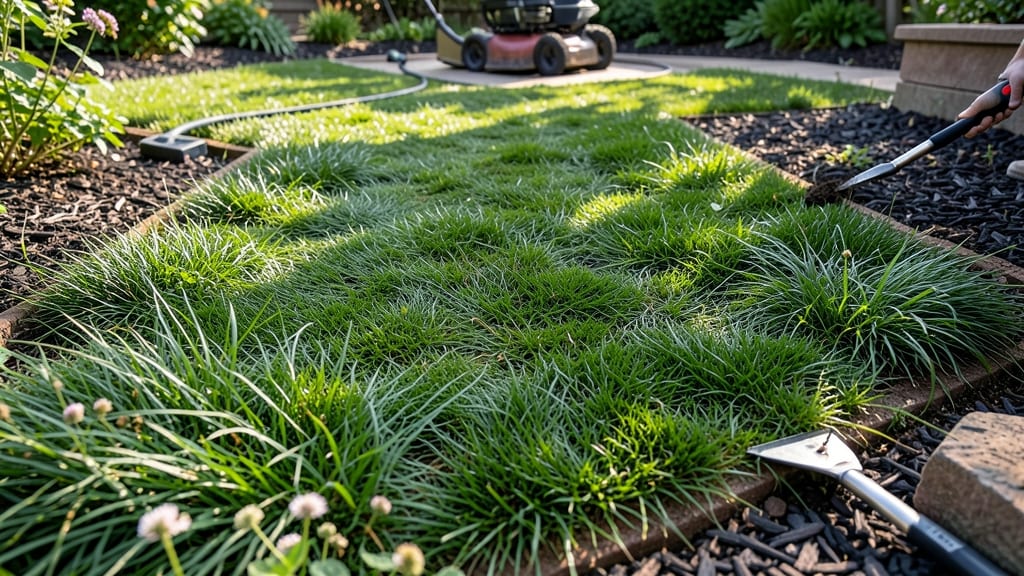
The garden and lawn care you do now can make your outdoor space look effortlessly vibrant all year—without spending every weekend bent over with a rake. 🌱 The secret isn’t working harder; it’s working smarter with seasonal routines that keep soil healthy, weeds at bay, and plants thriving with minimal daily fuss.
Start with the basics: test your soil in early spring, feed it with compost or slow-release fertilizer, and water deeply but infrequently (think 1 inch per week, not daily sprinkles).
Mow high—3-4 inches—to shade out weeds and keep grass resilient, while pruning ornamental plants just after blooming encourages lush, repeat growth.
By summer, you’ll notice the difference: fewer weeds, stronger grass roots, and plants that bounce back from heat stress. The real magic happens in fall when you clean up debris, aerate compacted soil, and plant cool-season cover crops to feed next year’s garden.
This isn’t about perfection—it’s about creating a system that works with your schedule. Even 10 minutes a week of focused care keeps everything looking intentional, not overwhelming. Let’s make it simple.
📚 In This Guide
- What you need
- Instructions
- Tips and common mistakes
- Wrapping up and next steps
What you need
- ● Lawn Mower – Choose based on yard size: push mower (small yards), self-propelled (medium yards), or riding mower (large yards).
- ● String Trimmer/Weed Whacker – Gas or electric (12-16” cutting width) for edges and tight spots.
- ● Garden Rake – Bow rake (for leaves/debris) or leaf rake (for larger areas).
- ● Lawn Aerator – Manual or machine (spike or slice type) for compacted soil.
- ● Garden Hose with Adjustable Nozzle – 50+ ft length, with spray and soaker settings.
- ● Pruners/Secateurs – Bypass pruners (sharp, for clean cuts).
- ● Garden Gloves – Durable, breathable (cactus gloves for thorny plants).
- ● Broadcast Spreader – For even fertilizer/seed distribution (10-20 lb capacity).
- ● Soil Test Kit – DIY or lab-tested (check pH and nutrient levels).
- ● Lawn Roller – For seeding or smoothing grass (100+ lb weight).
- ● Mulch & Compost – Shredded bark, pine straw, or organic compost.
- ● Edging Tool – For clean garden bed borders (half-moon or oscillating).
- ● Knee Pads – For comfort during weeding or planting.
- ● Weather-Resistant Storage – Shed, bins, or covers for tools.
- ● Know Your Climate & Soil Type – Research USDA Hardiness Zone and test soil (sandy, clay, loamy).
- ● Check Local Regulations – Pesticide/herbicide restrictions, watering laws.
- ● Plan Your Layout – Sketch garden beds, pathways, and plant placements.
- ● Schedule Tasks Seasonally – Spring: Aerate/seed; Summer: Water/mulch; Fall: Fertilize; Winter: Clean up.
Instructions for year-round garden and lawn care
Here's how to keep your outdoor spaces vibrant with smart seasonal strategies.
☀️ Step 1: Seasonal Soil Preparation
Start with a soil test in early spring to identify pH and nutrient needs—most lawns thrive at 6.0-7.0 pH. If your soil feels compacted, aerate in fall using a core aerator to create ½-inch deep holes every 3-4 inches. This prevents water runoff and encourages deep root growth.
For garden beds, mix in 2-3 inches of compost during early spring or late summer. Work it into the top 6 inches of soil to improve drainage and microbial activity. You'll notice richer soil color and fewer weeds as organic matter breaks down over time.
🌱 Step 2: Strategic Planting and Mulching
Plant perennials in spring or fall when temperatures are mild—this gives roots time to establish before extreme heat or cold. Space plants according to their mature size, leaving 12-24 inches between medium-sized shrubs to prevent competition. For lawns, overseed thin areas in early fall when weeds are less aggressive.
Apply 2-3 inches of mulch around garden beds, keeping it 2 inches away from plant stems to prevent rot. Use shredded bark or pine straw—they retain moisture while allowing airflow. Replenish mulch annually to maintain its protective layer and suppress weeds naturally.
💧 Step 3: Smart Watering Systems
Install drip irrigation or soaker hoses for garden beds to deliver water directly to roots. Run them for 15-20 minutes, 2-3 times per week, adjusting based on rainfall. For lawns, water deeply early morning (before 8 AM) to reduce evaporation and fungal risks. You'll see blades stand upright rather than wilting by midday.
Check soil moisture by pushing a 6-inch screwdriver into the ground—if it resists, water again. Most plants need 1-1.5 inches of water weekly, but drought-tolerant varieties like lavender thrive with half that amount. Adjust based on your climate and plant types.
✂️ Step 4: Seasonal Maintenance Checklist
In spring, prune dead branches and shape shrubs after new growth appears. Use clean, sharp shears to make cuts at a 45-degree angle just above a leaf node. For lawns, mow when grass reaches 3-4 inches tall, never removing more than ⅓ of the blade in one session to avoid stress.
Fall is prime time for leaf cleanup—mulch leaves into lawns to return nutrients, but remove them from garden beds to prevent smothering. Apply a slow-release fertilizer in late summer or early fall to feed roots through winter. This ensures strong growth when spring arrives.
🪴 Step 5: Pest and Disease Prevention
Inspect plants weekly for signs of pests like aphids or powdery mildew. Treat infestations early with neem oil or insecticidal soap—these are organic and won't harm beneficial insects. For lawns, overseed bare spots and apply pre-emergent herbicide in early spring to block weeds before they sprout.
Improve air circulation by spacing plants properly and pruning overgrown branches. Healthy plants resist disease better. If you notice yellowing leaves, check for overwatering or nutrient deficiencies—adjust care accordingly. A balanced approach keeps your garden thriving with minimal intervention.
Tips & tricks for perfect garden and lawn maintenance
These insider strategies will help you achieve lush, low-maintenance outdoor spaces without the guesswork.
Soil Preparation Insight: When aerating in fall, focus on areas with heavy foot traffic first—they compact most quickly. For garden beds, work that 2-3 inches of compost into the top 6 inches of soil using a broadfork to avoid disturbing deeper roots. The goal is to create a loose, crumbly texture that mimics forest floor soil, which encourages earthworm activity and better water infiltration.
Planting and Mulching Precision: In Step 2, when spacing perennials, measure from the plant's mature width—not its current size. For example, a shrub labeled "6 feet wide at maturity" needs 12 inches of space on each side, not just 6 inches. This prevents future overcrowding. Also, consider mulch depth: that 2-3 inches should settle to about 1.5-2 inches after a few weeks—top up annually to maintain coverage.
Watering System Efficiency: The 15-20 minutes, 2-3 times per week guideline works best with drip irrigation, but adjust based on your soil type. Sandy soils may need daily 5-minute sessions while clay soils can handle 30-minute sessions every 10 days. Always water in the early morning to prevent fungal growth—this gives foliage time to dry before evening dew forms. The 6-inch screwdriver test is foolproof: if it slides in easily, you're overwatering.
Seasonal Maintenance Hack: In Step 4, when applying slow-release fertilizer in late summer, pair it with a ½-inch layer of compost on top of the soil. This "double feeding" gives roots a nutrient boost while the compost slowly breaks down over winter. For lawns, set your mower to 3 inches in summer to encourage deep root growth—this shade-tolerant height reduces water needs by up to 30%.
Pro Tips for Garden And Lawn Care
- These insider strategies will help you achieve lush, low-maintenance outdoor spaces without the guesswork.
- Soil Preparation Insight: When aerating in fall, focus on areas with heavy foot traffic first—they compact most quick...
- Planting and Mulching Precision: In Step 2, when spacing perennials, measure from the plant's mature width—not its cu...
Frequently asked questions
Got questions about keeping your garden and lawn lush without the hassle? Here are some of the most common ones—and their straightforward answers!
How often should I water my lawn?
For most grasses, 1 to 1.5 inches of water per week (including rainfall) is ideal. Water deeply 2-3 times per week in dry spells, early in the morning to reduce evaporation. Overwatering can harm roots, so always check soil moisture before hydrating.
When is the best time to fertilize my lawn?
Timing depends on your grass type, but early spring and fall are the golden windows for most lawns. Avoid fertilizing in extreme heat or drought—it stresses the grass. For slow-release results, apply every 6-8 weeks during growing seasons.
How do I fix brown patches in my lawn?
Brown patches often signal fungus, pests, or drought. Start by aerating compacted soil, then test for pH imbalances. Apply fungicide if needed, and water consistently. If the issue persists, dig up a small patch to check for grubs or roots.
Can I use household items instead of store-bought lawn care products?
For weeds, try a vinegar + dish soap spray (test on a small area first). Natural fertilizer? Mix compost or grass clippings into the soil. Pests? Neem oil or diatomaceous earth work wonders. Just remember: organic solutions may take longer to show results.
How long does it take to see results from lawn care efforts?
With consistent care, you’ll notice improvements in 2-4 weeks, but full transformation takes 3-6 months. Seed germination is fastest (7-14 days), while deep soil repair or overseeding may take longer. Patience pays off—stick with it!
Wrapping up and next steps
Transforming your garden and lawn into a year-round masterpiece doesn’t have to be overwhelming—just consistent and intentional! 🌿 With the right tools, seasonal strategies, and a little patience, you’ll enjoy a vibrant outdoor space that reflects your effort (and maybe even saves you some time).
Start small: pick one tip from this guide to implement this weekend, and watch your green haven flourish.
Your next step? Grab your gloves, pick a sunny spot, and begin today—whether it’s mulching, mowing, or just admiring your progress. Happy gardening! 🌱