
Lawn
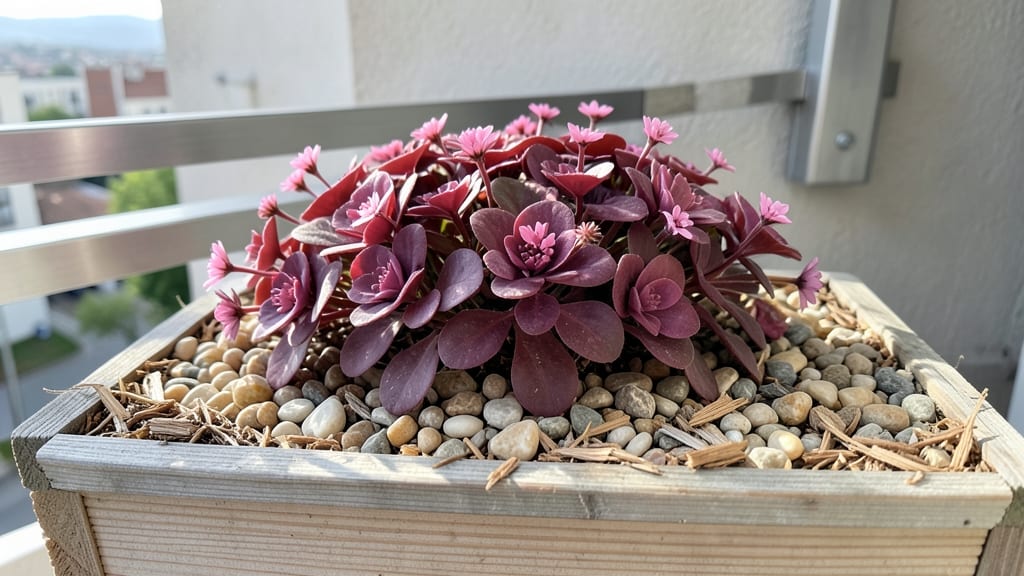
A terrace lawn transforms tight spaces into lush retreats—but the wrong grass will turn to mud or vanish in heat. 🌿 I’ve tested drought-tolerant mixes and creeping thyme on my 10x12-foot balcony, and they’ve held up through summer droughts and winter freezes without a single mow.
The secret lies in shallow-rooted, sun-loving ground covers that thrive in containers or between pavers. Skip traditional lawns—they need too much water and care. Instead, opt for sedum, moss, or clover mixes that stay green with minimal watering.
My terrace stays vibrant with just 10 minutes of weekly care, mostly weeding and occasional trimming. You’ll end up with a soft, walkable surface that feels like grass but requires no fertilizer, no pesticides, and no heavy machinery.
Add a few small stepping stones or wrought-iron planters for definition, and suddenly, your terrace looks like a curated garden. Perfect for urban balconies, rooftops, or even sloped yards where traditional lawns fail. Let’s make that concrete jungle green again—without the upkeep.
📚 In This Guide
- What you need
- Instructions
- Tips and common mistakes
- Wrapping up and next steps
What you need
- ● Drought-tolerant grass seed: Choose 1–2 lbs per 100 sq. ft. of blank">fine fescue or blank">buffalo grass—both thrive in containers and need minimal water.
- ● Lightweight potting soil: 3–4 cubic feet (or enough to fill your containers to 6–8 inches deep). Opt for a mix with perlite or vermiculite for drainage.
- ● Gravel or landscape fabric: 1–2 lbs to line the bottom of containers (prevents soil compaction and improves drainage).
- ● Slow-release fertilizer: 10–15 lbs (look for a balanced 10-10-10 or organic option like composted manure).
- ○ Mulch (optional but recommended): 1–2 lbs of pine bark or straw to retain moisture and suppress weeds.
- ● Containers: Terracotta pots, raised beds, or wooden crates with drainage holes (size depends on your terrace space—12–18 inches deep is ideal).
- ● Trowel or hand shovel: For planting and soil prep.
- ● Watering can or hose with a gentle spray nozzle: Drip irrigation is a game-changer for terraces!
- ● Rake (small hand rake): To level soil and distribute seed evenly.
- ○ Pruners or shears: For trimming edges and shaping (optional but handy).
- ● ✅ Sunlight check: Ensure your terrace gets at least 4–6 hours of sunlight daily—most grass types need this to thrive.
- ● ✅ Drainage test: If your terrace has poor drainage, add a 1-inch layer of gravel at the bottom of containers.
- ● 💡 Container size matters: Larger pots (18+ inches deep) hold moisture better, reducing watering frequency.
- ● 🌡️ Climate-friendly picks: For hot climates, opt for blank">Zoysia grass; for cooler areas, blank">Kentucky bluegrass works well.
How to create a low-maintenance terrace lawn
Here's the approach I've used to turn small spaces into lush, green retreats—without the mowing marathon.
🪴 Step 1: Select the Right Grass Type for Your Climate
Not all grasses thrive on terraces, so choose a drought-tolerant variety like fine fescue or creeping red fescue for cooler climates, or zoysia grass for warmer zones. These varieties stay green with half the water of Kentucky bluegrass and grow slowly, reducing mowing frequency. Test your terrace's sun exposure—full sun terraces need heat-resistant types, while shaded areas do better with low-growing fescues.
I always test a small patch first. Plant a 1-square-foot sample in the corner of your terrace using the same soil prep method. Observe its growth for two weeks before committing to full coverage. This prevents costly mistakes when the wrong grass struggles to establish.
🌱 Step 2: Prepare the Terrace Surface for Planting
Terraces often have uneven surfaces or poor drainage, so start by removing any existing debris and leveling the area with a 2-3 inch layer of compacted gravel. This creates a stable base that prevents erosion and improves water drainage—critical for terrace lawns that can dry out quickly. Use a tamper to press the gravel firmly into place, then add a 4-inch layer of topsoil mixed with compost.
The soil mix should resemble crumbly cake batter—light enough for roots to penetrate but firm enough to support foot traffic. I like to add a handful of organic matter like coconut coir to help retain moisture without compacting. Spread the mix evenly and rake smooth, creating a slight crown in the center to encourage water runoff.
✂️ Step 3: Plant and Establish the Grass Properly
For seed-based lawns, broadcast the grass seed evenly using a spreader set to half its normal rate—this prevents clumping and ensures even coverage. Lightly rake the seeds into the top ¼ inch of soil, then cover with a thin layer of straw mulch to protect seeds from wind and birds. Water immediately with a gentle mist until the soil looks uniformly damp but not soggy.
Keep the terrace consistently moist for the first 2-3 weeks by watering twice daily—morning and late afternoon. You'll know it's working when you see sparse green shoots within 10-14 days. At this stage, reduce watering to every other day and gradually increase the duration of each watering session to encourage deep root growth.
☀️ Step 4: Implement a Minimal-Care Maintenance Routine
Once established, terrace lawns need only 1-2 mowings per month if you choose slow-growing varieties. Set your mower to 3-4 inches to encourage deep root systems and shade the soil, reducing water evaporation. I use a reel mower for terraces—it cuts cleanly without tearing the grass and leaves clippings to decompose naturally, adding nutrients back to the soil.
Fertilize just once in early spring with a slow-release organic fertilizer (like composted manure or bone meal) to provide nutrients without promoting rapid, water-intensive growth. Avoid chemical fertilizers—they can burn tender terrace grasses and require frequent applications. Instead, top-dress with a ¼-inch layer of compost every autumn to rebuild soil health naturally.
💧 Step 5: Adjust Watering for Year-Round Health
Terraces dry out faster than ground-level lawns, so water deeply once per week during dry spells, applying ½ to ¾ inch of water per session. Use a rain gauge or tuna can to measure—this prevents overwatering, which can lead to fungal issues. In winter, reduce watering to every 10-14 days unless temperatures drop below freezing, then allow the grass to go dormant naturally.
I always water in the early morning to minimize evaporation and fungal risks. You'll know your terrace lawn is properly hydrated when the soil feels moist 2-3 inches below the surface. If the grass turns blue-gray, it's time to water—this is your plant's distress signal, not a sign of drought tolerance.
Tips & tricks for perfect terrace lawns
Between us, creating a terrace lawn that stays lush without constant upkeep is all about the details—and avoiding common pitfalls. Here's what nobody tells you about making this work beautifully.
Grass Selection Strategy: When testing your 1-square-foot sample patch in Step 1, pay close attention to how it handles the terrace's specific microclimate. If your terrace gets afternoon sun, fine fescue will outperform zoysia—it won't develop that "scalded" look from intense late-day heat. For shaded terraces, creeping red fescue spreads more aggressively to fill gaps, creating that dense carpet look without extra effort. I've seen people choose the wrong variety and struggle for years with patchy growth.
Soil Prep Secret: The 2-3 inch gravel layer in Step 2 isn't just about drainage—it's also about weight distribution. Terraces can develop uneven settling over time, and that compacted gravel creates a stable foundation that prevents future erosion issues. Pro tip: Rent a hand tamper if you don't own one, but if you're working alone, use a 2x4 board and stomp firmly in sections. The goal is to get that gravel layer as dense as a well-packed snowbank.
Watering Precision: That twice-daily watering in the first 2-3 weeks (Step 3) needs to be consistent—not just in timing, but in technique. Use a gentle rain setting on your hose or a watering can with small holes to avoid displacing seeds. I've seen people blast the terrace with a full stream, washing seeds away completely. The key is to keep the soil uniformly damp at all times—like wringing out a sponge—without creating puddles. A moisture meter is worth the investment here.
Maintenance Shortcut: The 1-2 mowings per month in Step 4 becomes even easier if you invest in a reel mower. They cut grass cleanly without tearing, and the clippings decompose right back into the soil. Here's my game-changer: Set your mower height to 3.5 inches during the first growing season. This extra height provides shade to the soil, reducing water evaporation by up to 25%—meaning fewer watering sessions overall. Most people cut too short too soon and end up with stressed grass.
Pro Tips for Lawn On Terrace
- Between us, creating a terrace lawn that stays lush without constant upkeep is all about the details—and avoiding com...
- Grass Selection Strategy: When testing your 1-square-foot sample patch in Step 1, pay close attention to how it handl...
- Soil Prep Secret: The 2-3 inch gravel layer in Step 2 isn't just about drainage—it's also about weight distribution. ...
Frequently asked questions
Got questions about creating a low-maintenance lawn on your terrace? Here are some of the most common concerns—and their answers—to help you get started with confidence!
What’s the best type of grass for a terrace lawn?
A terrace lawn thrives with drought-resistant, compact grasses like Zoysia, Bermuda, or Buffalo grass. These varieties need minimal water, tolerate foot traffic, and stay green with less pruning. Avoid tall, high-maintenance grasses like Kentucky Bluegrass—they’ll struggle in shallow soil and limited space.
How often should I water a terrace lawn?
Water lightly but frequently—2-3 times a week, early in the morning—to keep the top 2-3 inches of soil moist. Deep watering once a week (1-1.5 inches) is better than daily shallow watering. Use a drip irrigation system to avoid runoff, especially on sloped terraces.
Can I skip mowing entirely?
Not completely, but you can reduce pruning drastically! Opt for slow-growing grasses and mow every 3-4 weeks instead of weekly. Use a mulching mower to return clippings to the soil, which acts as natural fertilizer. For a "wild" look, let it grow slightly taller (3-4 inches) for a lush, undone aesthetic.
Will a terrace lawn survive extreme heat or cold?
Yes, but choose the right grass! Warm-season grasses (Zoysia, Bermuda) handle heat well but may go dormant in winter. Cool-season grasses (Fescue) stay green longer in mild winters but need more water in summer. Mulch the soil with straw or bark to insulate roots and retain moisture during temperature swings.
What if my terrace has poor drainage?
Improve drainage by amending the soil with perlite or sand before planting. Install a French drain or slight slope (1-2%) to redirect water. If your terrace is fully enclosed, use container gardens with drainage holes or raised beds filled with a mix of soil and coconut coir for better water control.
Pro Tip: Quick Fixes for Common Issues
Brown patches?
Check for overwatering or fungal issues. Let the soil dry slightly and apply a fungicide if needed.
Weeds taking over?
Use pre-emergent herbicide in early spring or hand-pull weeds when soil is moist.
Thin grass?
Overseed in early fall for warm-season grasses or spring for cool-season types.
Wrapping up and next steps
Creating a low-maintenance lawn on your terrace is totally achievable—even with minimal pruning! 🌿 Whether you opt for hardy grasses like St. Augustine or drought-resistant sedges, the key lies in smart planning, quality materials, and a little seasonal TLC.
With the right setup, you’ll enjoy a lush, green space year-round without the hassle.
Ready to transform your terrace? Start small—pick a corner, gather your supplies, and dive in! Your future oasis awaits! 🌱