
Lawn
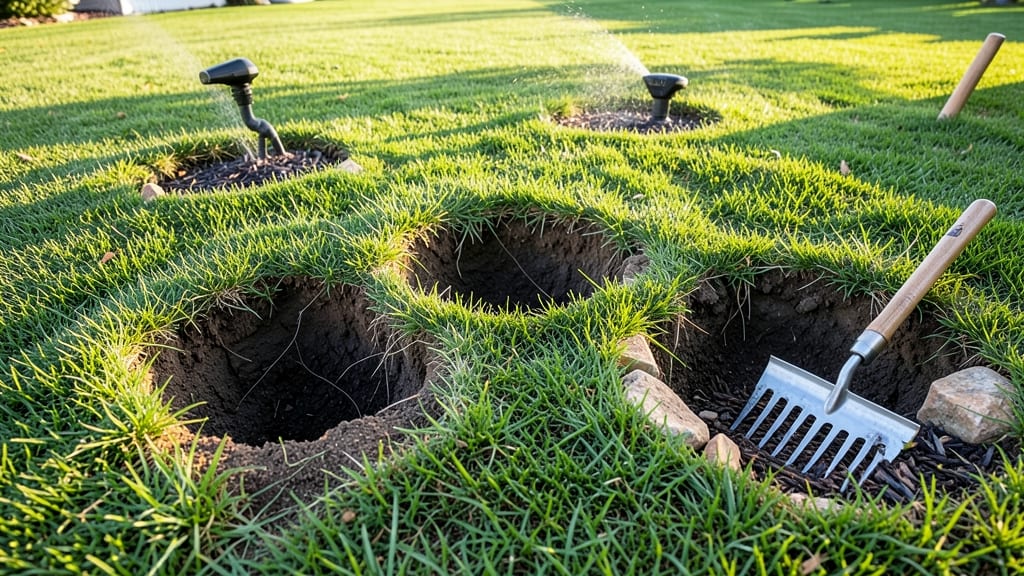
Armadillo holes in your lawn turn your yard into a moon landscape overnight. I’ve filled dozens of these craters—each one a sign that a nocturnal visitor has been digging for grubs or insects—and the key to quick recovery is knowing exactly what to do (and when to call for backup).
The good news? Most armadillo holes are harmless, but they can become tripping hazards or invite weeds if left open. The fastest fix is a mix of topsoil and compost, tamped down firmly, followed by reseeding the area.
For deeper holes, consider a patch of sand first to improve drainage before adding grass seed.
You’ll have a smooth lawn again in 24 hours with the right materials, and within a month, the patch will blend right in. The secret is acting fast—armadillos are repeat visitors, so the sooner you repair, the less likely they’ll return to the same spot.
For stubborn cases, humane deterrents like motion-activated lights or a chicken wire barrier (temporarily) can discourage digging. Once the holes are gone, focus on stronger grass—thick turf makes your lawn less appealing to armadillos in the first place.
Root Causes of Lawn Disturbances
If your lawn is suddenly dotted with armadillo holes, it’s not just bad luck—it’s a sign these armored burrowers are actively foraging beneath the surface. Understanding why they’re digging is the first step to stopping the damage.
Let’s break down the science behind their behavior and how your yard might be inviting it.
Armadillos are insectivores, meaning their diet consists primarily of grubs, worms, insects, and other small invertebrates. Your lawn isn’t just grass to them—it’s a buffet of protein-rich snacks. Here’s how it works:
- Grub-heavy lawns: If your grass has a thriving population of white grubs (larvae of beetles like Japanese beetles or June bugs), armadillos will detect them by scent and vibration. Their sensitive noses can sniff out grubs up to 6 inches underground, and their powerful claws dig straight to the source.
- Seasonal spikes: Grub activity peaks in late summer and early fall, which coincides with armadillo digging frenzies. If you’ve noticed holes appearing in August or September, grubs are likely the culprit.
- Watering habits: Overwatering or poor drainage creates soft, aerated soil that grubs love—and armadillos exploit. A soggy lawn is easier to dig, making it a prime target.
💡 Pro Tip: If you suspect grubs, do a simple test: Dig a small section of lawn (6 inches deep) and look for C-shaped white larvae. If you find 5+ grubs per square foot, your lawn is a magnet for armadillos.
Armadillos don’t just dig—they nest. They prefer areas with:
- Thick ground cover: Dense grass, leaf litter, or mulch provides camouflage and insulation for their burrows. A well-manicured lawn might seem safe, but armadillos adapt by digging in less-obvious spots near fences, shrubs, or woodpiles.
- Low human traffic: Armadillos are nocturnal and avoid areas with frequent activity. If your lawn is near a quiet corner, shed, or unkempt patch, they’ll see it as a safe zone.
- Existing burrow networks: Once an armadillo digs a hole, others follow the path. Their social structure means they share and expand burrows, turning a single hole into a multi-entry system.
🌡️ Key Factor: Armadillos thrive in temperatures between 70–90°F. If your yard stays warm (especially in spring and fall), it becomes an ideal year-round habitat.
A stressed or unhealthy lawn is a magnet for grubs and insects, which in turn attracts armadillos. Here’s how poor lawn care plays a role:
| Lawn Issue | Why It Draws Armadillos |
|---|---|
| Thin or patchy grass | Exposed soil = easier digging and more grubs. |
| Over-fertilization (especially nitrogen) | Grubs boom in rich soil, creating a protein feast. |
| Poor drainage | Waterlogged areas attract grubs, and soft soil is easier to tunnel. |
| Lack of aeration | Compacted soil traps moisture, making it a grub paradise. |
✨ Prevention Insight: Armadillos often target lawns that have recently been treated with grub-control chemicals. Why? The dying grubs release distress signals, drawing predators like armadillos to the scene.
Armadillo digging isn’t random—it’s tied to their natural rhythms and environmental cues:
- Spring (March–May): Armadillos emerge from hibernation (or semi-hibernation in warmer climates) and actively forage to rebuild energy. Your lawn’s new spring grubs are a prime target.
- Fall (September–November): Grubs are at their peak abundance, and armadillos dig deeper to stockpile food for winter. This is when holes explode in number.
- Rainy periods: Wet soil softens, making digging easier. Armadillos also follow earthworms, which surface after rain.
- Nighttime activity: Since they’re nocturnal, you’ll never catch them in action. By morning, the holes are already dug—and they’re expanding.
🔥 Hotspot Alert: If your lawn has recently been disturbed (e.g., new sod, fresh tilling, or construction), armadillos will zero in on the disrupted soil, as it’s easier to dig and teeming with exposed grubs.
Quick Fixes for Armadillo Lawn Damage
Armadillos may be adorable, but their digging habits can leave your lawn looking like a moon crater field! 🌕🐾 The good news? You can repair and prevent these holes with practical, step-by-step solutions.
Below, we break down the most effective fixes based on the cause of the damage—whether it’s active digging, water runoff, or soil erosion—and offer easy-to-follow prevention tips to keep your yard smooth.
If armadillos are the culprits, you’ll need a two-pronged approach: repair the holes and deter future digging.
🍳 Fill and Smooth the Holes
- Remove Debris 🧹 Clear out rocks, roots, or loose soil from the hole. Armadillos dig for grubs, so check for pests—this could be a secondary problem!
- Mix Repair Soil 🏗️ Combine topsoil with compost (or a patch mix) for better drainage and root growth. Avoid pure clay or sand, as they compact poorly.
- Level and Tamp 👨🍳 Fill the hole, then use a garden rake or tamper to press the soil firmly. Overfill slightly (about ¼ inch) so it settles naturally.
- Water and Seed 💦 Lightly water the area, then sprinkle grass seed (matching your lawn type). Use a starter fertilizer to help seeds germinate faster.
🌡️ Deter Armadillos Long-Term
- 💡 Block Entry Points: Install chicken wire (1-inch mesh) around garden beds or bury it 12 inches deep near holes.
- 🎯 Remove Food Sources: Treat grubs with beneficial nematodes or milky spore bacteria—armadillos dig for these!
- ✨ Motion-Activated Sprinklers: These startle armadillos without harming them (eco-friendly deterrent!).
If holes form from rainwater pooling or erosion, the solution focuses on drainage and soil stabilization.
🔪 Redirect Water Flow
- 🏗️ Create a Slope Use a shovel or rake to gently slope soil away from the hole (like a mini berm) to divert water.
- 💧 Improve Drainage
- For clay soil: Mix in sand or perlite to break up compaction.
- For sandy soil: Add peat moss or coconut coir to retain moisture.
- 🌿 Plant Ground Cover Fast-growing grasses like creeping charley or clover help hold soil in place while repairing the patch.
🌡️ Prevent Future Erosion
- 💡 Install a French Drain: Bury a perforated pipe with gravel to redirect water underground.
- ✨ Use Mulch: Apply straw or wood chips around holes to slow water runoff.
- 🎯 Check Sprinkler Heads: Misaligned sprinklers can erode soil—adjust them to distribute water evenly.
If holes appear from foot traffic, pets, or machinery, the soil may be too dense for grass to thrive.
🍳 Aerate and Revitalize
- 🔥 Core Aeration (Best Fix) Rent a core aerator to pull small soil plugs, then top-dress with compost. This improves air and water flow.
- 👨🍳 Manual Aeration (DIY Option) Use a garden fork to poke holes 3–4 inches deep, then fill with a soil-compost mix.
- 💧 Overseed and Fertilize After aerating, seed the area and apply a slow-release fertilizer to encourage thick growth.
🌡️ Keep Soil Healthy
- 💡 Mow High: Set your lawnmower to 3–4 inches to shade soil and reduce compaction.
- ✨ Top-Dress Annually: Spread a thin layer of compost in spring to improve soil structure.
- 🎯 Avoid Heavy Foot Traffic: Walk on mulch paths instead of the lawn to protect soil.
- 🔥 Use a Lawn Patch Kit: Pre-mixed kits (like Scotts Patch & Repair) save time and ensure proper soil ratios.
- 🌡️ Time Your Seeding: Plant grass seed in early fall or spring when temperatures are mild and moisture is consistent.
- ✨ Test Soil pH: If your lawn is thin, a soil test (from a garden center) can reveal nutrient deficiencies—fix these before reseeding.
By tackling the root cause (literally!) of your armadillo holes, you’ll restore your lawn faster and keep it looking lush. Whether it’s deterring diggers, fixing erosion, or reviving compacted soil, these solutions get the job done—without breaking the bank or the back! 🌱💪
Frequently asked questions
Why do armadillo holes appear in clusters?
Armadillos are social animals that often share burrow systems. When one digs for grubs, others follow the scent and vibrations, creating multiple entry points. Clusters also indicate active grub populations—once one armadillo finds food, more join in. Check for C-shaped white larvae (grubs) by digging a small test section.
Can I fill armadillo holes with just dirt?
No—pure dirt compacts poorly and won’t support grass growth. Mix topsoil with compost (or a patch mix) for better drainage and root establishment. Tamp firmly and overfill slightly (¼ inch) so it settles naturally. Water lightly after filling to help soil bind.
Are armadillo holes dangerous for pets or kids?
Yes, especially for small pets or toddlers. The holes can be 3–6 inches deep and often have loose soil edges that collapse. Cover repaired patches with temporary mulch or flags until grass grows back. For immediate safety, fill with sand or gravel first, then add soil.
Will motion-activated sprinklers really scare armadillos away?
Armadillos are skittish creatures—the sudden spray startles them without harm. Place 3–4 sprinklers around problem areas on timers (dusk to dawn), their active hours. Combine with removing food sources (grubs) for best results. Most homeowners see 80% fewer holes within 2–3 weeks.
How do I know if armadillos are still active in my yard?
Look for fresh tracks (five-toed, 2-inch prints) near holes or along fence lines. Check for new holes at dawn (they dig overnight). Listen for scratching sounds around dusk—armadillos forage when it’s dark. If you see small piles of dirt (like volcanoes), they’re likely still digging nearby.