
Lawn
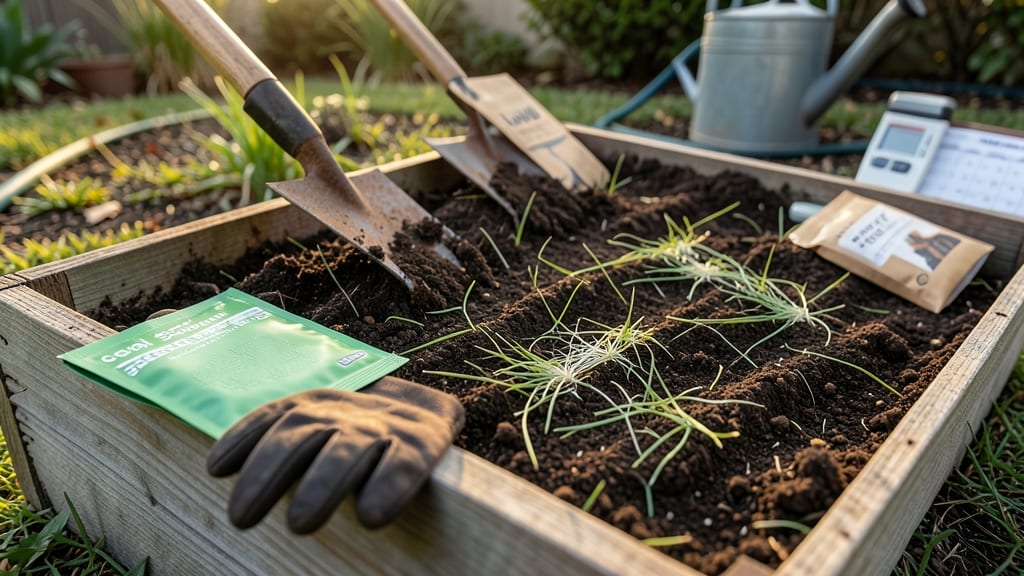
Planting lawn seed in Melbourne at the right time means the difference between a lush, green carpet and a patchy, weed-infested disappointment 🌱 — and the best windows are spring and autumn, when soil temps and rainfall align perfectly.
Melbourne’s unpredictable weather can turn your lawn seeding project into a gamble—unless you know the perfect soil temperature and rainfall window for fast germination. Plant too early or too late, and you risk poor growth, weed competition, or wasted seed.
In this guide, I’ll walk you through the ideal planting months, how to check soil temperature, and why Melbourne’s microclimates (like the Dandenongs or Geelong) might shift your timeline by weeks.
You’ll also learn how to prep your soil, pick the right grass seed, and protect your new lawn from heatwaves or frosts.
By the end, you’ll have a clear, step-by-step plan to plant your lawn seed at the fastest possible pace—without guessing or second-guessing. Let’s get started.
Best soil temperature and rainfall conditions for Melbourne lawn seed germination
Melbourne’s variable climate demands precision when planting lawn seed. The ideal soil temperature for germination is between 15-20°C, where seeds activate enzymes for rapid growth. Below 12°C, germination slows dramatically, while above 25°C, seeds risk drying out before sprouting.
Rainfall timing is equally critical—Melbourne’s spring and autumn windows offer the perfect balance of moisture and warmth.
Coastal areas like Frankston experience milder winters, allowing earlier autumn planting (late February), while inland regions such as Sunbury should wait until March to avoid frost.
Spring planting in September-October aligns with Melbourne’s natural rainfall increase, reducing irrigation demands. Without these conditions, seeds may struggle with dormancy or fungal diseases.
To test soil temperature, use a soil thermometer buried 5cm deep. Aim for 15-20°C before sowing—this is your green light.
Coastal zones often hit this mark by late February, while inland areas may need to wait until March. Rainfall patterns matter too: Melbourne’s average 50-70mm/month in spring/autumn keeps soil consistently moist without waterlogging.
Here’s how Melbourne’s microclimates affect timing:
| Season | Ideal Planting Months | Soil Temp (°C) | Rainfall (mm) | Microclimate Notes |
|---|---|---|---|---|
| Autumn | Feb-Mar | 15-20°C | 50-70mm | Coastal areas: Feb; inland: Mar |
| Spring | Sep-Oct | 18-22°C | 60-80mm | Best for all zones; avoid Nov heat |
| Summer/Winter | Avoid | <12°C or >25°C | <30mm or >100mm | Risk of drought stress or fungal issues |
Spring planting in September-October capitalizes on Melbourne’s natural rainfall surge, typically 60-80mm/month, which keeps soil evenly moist. This reduces your need for manual watering while preventing seed desiccation. Coastal areas like Mornington Peninsula benefit from oceanic influence, with milder nights that protect young seedlings from temperature swings.
For inland areas, focus on soil moisture retention by adding compost or mulch before planting. Test soil moisture by squeezing a handful—it should hold together but not be soggy. If your soil feels dry, water deeply 2-3 days before sowing to mimic Melbourne’s ideal autumn rainfall.
Avoid planting during heatwaves (Nov-Feb), where soil temps can exceed 30°C, causing seeds to dry out within hours.
Melbourne’s autumn window (Feb-Mar) is shorter but equally effective if timed correctly. Prioritize evening watering to reduce evaporation, and use a lightweight straw mulch to retain humidity. Coastal zones can start as early as late February, while inland regions should wait until March to avoid unexpected frosts.
Always check the Bureau of Meteorology forecast for 7-day rainfall predictions before committing to planting.
Post-planting, monitor soil moisture closely. Melbourne’s spring showers may require less irrigation, but summer heat can dry soil rapidly. Aim for 10-15mm of water weekly, applied deeply to encourage deep root growth.
Use a rain gauge to track natural precipitation—if you’ve received 20mm+ in a week, skip watering to avoid over-saturation.
Adjust your planting timeline based on local microclimates. The Dandenong Ranges stay cooler longer, allowing autumn planting into early April, while Geelong’s coastal influence extends the spring window into November.
Always err on the side of cooler temps—seeds germinate faster at 18-20°C than they do at 22°C+, where growth can become leggy and weak.
Pro tip: Mix slow-release fertilizer into the soil before planting to give seedlings a nutrient boost during germination. This is especially useful in Melbourne’s phosphorus-deficient soils, where young grass struggles to establish without extra support.
Pair this with a light topdressing of sand to improve drainage in heavy clay areas common across Melbourne’s suburbs.
By aligning your planting with Melbourne’s 15-20°C soil window and 50-80mm rainfall patterns, you’ll maximize germination success. Coastal areas gain a 2-3 week head start, while inland gardeners should embrace autumn’s reliability.
With these conditions met, your lawn seed will sprout uniformly within 7-14 days, setting the stage for a lush, resilient turf.
Step-by-step Melbourne planting timeline: autumn vs. spring comparison
Melbourne’s spring (September-November) and autumn (March-May) offer ideal windows for lawn seeding, but each season brings unique challenges. Spring delivers steady rainfall and warming soil, while autumn provides cooler temps that reduce weed competition.
Understanding these differences helps you choose the best time for your location—whether you're in the Dandenong Ranges or Geelong’s coastal zone.
Your local microclimate plays a critical role. Coastal areas like Frankston experience milder winters, allowing autumn planting into May, while inland Melton may need to finish by April to avoid early frosts. Always check soil temperature—aim for 15-22°C—before sowing to ensure fast germination.
🌱
| Season | Month | Soil Temp (°C) | Rainfall (mm) | Prep Work | Seeding Time | Post-Plant Care |
|---|---|---|---|---|---|---|
| Spring | September | 15-18°C | 50-70 | Aerate soil, remove weeds | Late Sept (after frost risk) | Light watering, no fertilizer |
| October | 18-22°C | 60-80 | Test soil pH, add compost | Mid-Oct (peak germination) | Deep watering, no mowing | |
| November | 20-24°C | 40-60 | Apply starter fertilizer | Early Nov (if dry) | Reduce watering, mow high | |
| December | 22-26°C | 30-50 | Mulch to retain moisture | N/A | Water deeply 2x/week | |
| Autumn | March | 18-22°C | 60-80 | Remove summer weeds | Early March (coastal) | Water lightly, no fertilizer |
| April | 15-19°C | 50-70 | Aerate, test soil | Mid-April (inland) | Deep watering, mulch | |
| May | 12-16°C | 40-60 | Apply compost | Early May (coastal only) | Reduce watering | |
| June | 10-14°C | 30-50 | Mulch heavily | N/A | Light watering only |
For spring planting, start prepping in August by aerating and removing weeds. September is ideal for coastal areas, while inland regions should wait until October when soil warms above 18°C. Use cool-season grasses like Tall Fescue for spring, as they establish quickly with Melbourne’s 50-80mm rainfall.
Autumn offers a second chance for seeding, especially in cooler microclimates. Begin in March with warm-season grasses like Kikuyu, but shift to cool-season blends by April as temps drop. April-May is critical—avoid planting after May 15 in inland areas to prevent frost damage to young shoots.
Post-planting care differs by season. Spring requires deep, frequent watering (10-15L/m²) to combat dry winds, while autumn focuses on moisture retention with mulch. Always avoid mowing until grass reaches 7-10cm tall to protect roots.
🌿