
Lawn
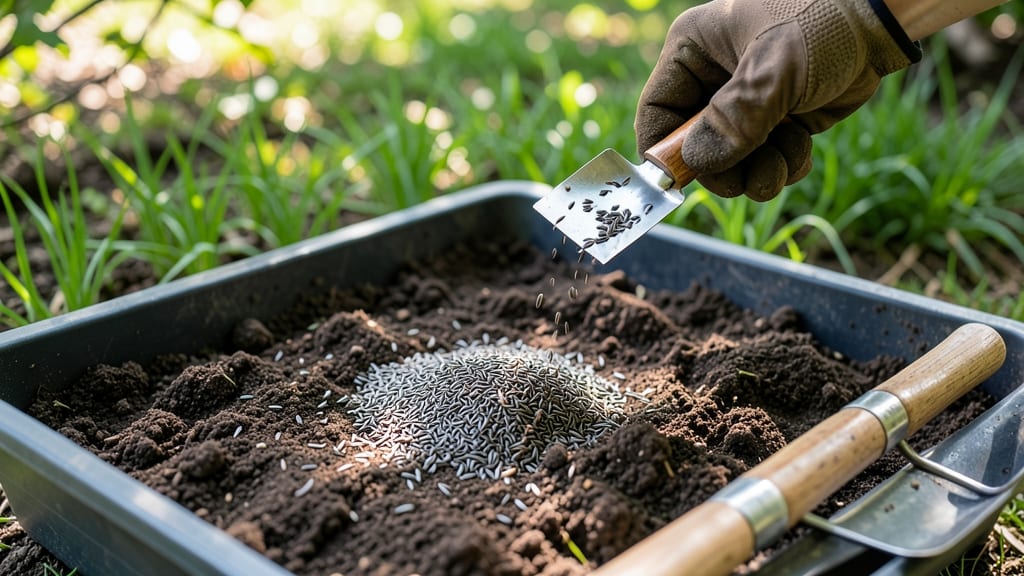
Planting autumn lawn seed isn’t just smart—it’s the secret to a thicker, greener lawn next spring. 🌱 While others wait until spring, fall’s cooler temps and consistent moisture help seeds germinate and roots establish before winter’s chill sets in.
My lawn went from patchy to lush after switching to this timing, and the difference is night-and-day by June. The best blends for autumn are cold-hardy mixes designed to handle frost without dying back.
Look for labels mentioning "fall overseeding" or "cool-season grasses" like fescue or ryegrass—they thrive when planted between mid-September and early November, depending on your zone. Soil temps should hover around 60°F for ideal germination, and most regions north of the Mason-Dixon Line can pull this off.
You’ll start with a barely visible green carpet in late fall, but by spring, that seedling strength pays off. Weeds struggle to compete with new grass, and roots dive deep for water, making your lawn drought-resistant from day one. The key?
Prep your soil first—test pH, loosen compacted areas, and control weeds before seeding. Works for any climate zone that gets frost, from Pacific Northwest to the Midwest. Here’s how to make it happen without the guesswork—no more spring shock or summer brownouts.
📚 In This Guide
- What you need
- Instructions
- Tips and common mistakes
- Wrapping up and next steps
What you need
- ● Autumn lawn seed blend: 10–20 lbs (per 1,000 sq. ft.), depending on your grass type (e.g., ryegrass, fescue, or a cold-hardy mix). Check the seed bag for exact coverage rates.
- ● Lawn fertilizer: Slow-release, high-nitrogen blend (e.g., 24-0-5 or 30-0-4) for fall seeding. Aim for 1 lb of nitrogen per 1,000 sq. ft.
- ● Seed spreader: Broadcast or drop spreader (rent or buy; manual or battery-powered options available).
- ● Rake: A bow rake (for leveling soil) and a stiff-bristle dethatching rake (if thatching is thick).
- ○ Soil tester kit: Optional but helpful to check pH (ideal: 6.0–7.0) and adjust with lime or sulfur if needed.
- ● Watering supplies: Garden hose with adjustable nozzle (for gentle watering).
- ● Sprinkler (oscillating or impact) for larger areas.
- ● Pre-emergent herbicide: Apply 4–6 weeks before seeding to prevent weeds (e.g., pendimethalin or prodiamine).
- ● Starter fertilizer: Phosphorus-rich (e.g., 5-10-10) to boost root growth.
- ● Lawn roller: Lightweight (50–100 lbs) to press seed into soil after spreading.
- ● Mulching mower: If overseeding an existing lawn, set to high blade height (3–4 inches) to avoid scalping.
- ● Soil conditioner: Compost or peat moss (1–2 inches) to improve seed-to-soil contact.
Step-by-step instructions for planting autumn lawn seed
Fall is the perfect time to transform your lawn—here’s how to plant for lush, cold-hardy growth.
🌱 Step 1: Prepare the Soil for Planting
Rake the existing lawn to remove debris and level the surface. You want a smooth, even bed for seeds to settle into. If your soil is compacted, use a garden fork to loosen it about 2-3 inches deep—this helps roots establish before winter.
Test the soil pH with a kit; most cool-season grasses thrive in a range of 6.0-7.0. If your soil is too acidic, spread lime according to package instructions and water it in a few days before planting. Avoid overdoing it—too much lime can harm soil microbes.
💧 Step 2: Spread Seed Evenly for Full Coverage
Measure your lawn area and divide the 5-10 pounds of seed (depending on size) into two equal portions. Use a broadcast spreader for large areas or hand-scatter seeds in smaller sections. Walk in opposite directions to ensure even distribution—you’ll see bare spots if you miss this step.
Lightly rake the seeds into the soil with a stiff-bristled rake, pressing them just enough to make contact with the earth. This prevents wind from blowing them away while keeping them close to the surface for quick germination. Aim for ½ inch deep at most—any deeper, and they won’t sprout.
☀️ Step 3: Water Gently and Consistently
Water the seeded area immediately after planting, keeping the soil moist but not soggy. Use a fine mist setting on your sprinkler to avoid displacing seeds. Aim for ¼ inch of water daily for the first 2-3 weeks—this is critical for germination. You’ll know you’re doing it right when the soil stays damp but doesn’t form puddles.
Once the grass reaches about 2 inches tall, gradually reduce watering to ½ inch per week. Overwatering now can lead to fungal issues, while underwatering stresses young roots. A soil moisture meter helps track consistency—insert it 1 inch deep to check.
✂️ Step 4: Maintain and Protect New Growth
Wait until the new grass reaches 3-4 inches tall before your first mow. Set your mower blade to 3 inches high—cutting too short stresses young plants. Remove only ⅓ of the blade height at a time to avoid shocking the lawn.
Keep foot traffic to a minimum for the first 4-6 weeks. If pets or kids play on the area, redirect them to another part of the yard. New grass needs time to root deeply, and compaction from heavy use can stunt growth. You’ll notice stronger, more uniform grass if you give it this protected start.
Tips & tricks for perfect autumn lawn planting
Fall lawn planting gets tricky—here’s how to avoid the most common mistakes and get professional results.
Soil Prep Secret: Don’t just rake—test your soil first! Most cool-season grasses need a pH between 6.0-7.0. If your soil tests too acidic, spread lime according to package instructions a few days before planting, not the same day. I learned this the hard way after planting seeds in acidic soil that barely sprouted. The lime needs time to integrate into the topsoil.
Seed Distribution Hack: For large areas, use a broadcast spreader, but for smaller sections, try the "crisscross method": walk one direction while scattering seeds, then walk perpendicular to catch any missed spots. The key is two equal portions—if you dump all 5-10 pounds at once, you’ll end up with thick patches and bare spots. Lightly raking afterward ensures seeds make contact without burying them deeper than ½ inch.
Watering Wisdom: Those first 2-3 weeks of daily ¼-inch watering are non-negotiable. I recommend watering in the early morning (before 8 AM) to prevent fungal growth from evening moisture. Use a rain gauge or tuna can to measure—your sprinkler might be over- or under-watering without you realizing it. Once grass hits 2 inches, switch to deep watering ½ inch per week to encourage deep roots.
First Mow Timing: Wait until grass reaches 3-4 inches before mowing—this might take 6-8 weeks depending on your climate. Setting your mower blade to 3 inches mimics natural grass height and prevents stress. Pro tip: Mow when grass is dry to avoid clumping, and never remove more than ⅓ of the blade height at once. This keeps your lawn resilient through winter.
Pro Tips for Autumn Lawn Seed
- Fall lawn planting gets tricky—here’s how to avoid the most common mistakes and get professional results.
- Soil Prep Secret: Don’t just rake—test your soil first! Most cool-season grasses need a pH between 6.0-7.0. If your s...
- Seed Distribution Hack: For large areas, use a broadcast spreader, but for smaller sections, try the "crisscross meth...
Frequently asked questions
Got questions about sowing autumn lawn seed for a lush fall lawn? You’re in the right place! Here are answers to the most common concerns—from timing to troubleshooting—so you can tackle your project with confidence.
When is the best time to plant autumn lawn seed?
For most regions, late summer to early fall (around September through October) is ideal. Cooler air and warm soil create perfect conditions for germination. Check your USDA hardiness zone—cool-season grasses (like fescue or ryegrass) thrive in these months. Missed the window? Early spring is a backup!
How long does it take for autumn lawn seed to grow?
Germination typically takes 7–21 days, depending on temperature, moisture, and seed type. Ryegrass sprouts fastest (5–10 days), while fescue may take 2–3 weeks. Keep soil consistently moist (but not soggy) and expect a lush lawn in 4–6 weeks with proper care. Patience pays off!
Do I need to water autumn lawn seed daily?
Yes—until germination! Water lightly 2–3 times daily (about ¼ inch per session) to keep soil damp. Once sprouts appear, reduce to 1–1.5 inches per week, including rainfall. Use a sprinkler with gentle misting to avoid displacing seeds. Pro tip: Water in the early morning to prevent fungal risks.
Can I overseed an existing lawn with autumn seed?
Autumn is perfect for overseeding to fill thin patches. Mow your lawn short (1–1.5 inches), rake away debris, and spread seed evenly. Lightly top-dress with compost or starter fertilizer for best results. Just avoid overseeding if your lawn has broadleaf weeds—tackle those first with herbicide (follow label instructions).
What should I do if my autumn lawn seed isn’t germinating?
Check these fixes:
- Soil temperature: Use a soil thermometer—ideal range is 60–75°F.
- Moisture: Test by squeezing a handful of soil; it should hold together but not be muddy.
- Seed contact: Rake lightly to ensure seeds touch bare soil.
- Pests: Birds or insects? Cover seeds with netting temporarily.
Will frost or early snow harm newly planted autumn lawn seed?
Most cold-hardy autumn seeds (like perennial ryegrass or tall fescue) can handle light frost, but avoid planting when hard freezes (below 28°F) are forecast. If snow covers seedlings, it’s actually protective—just brush it off gently. For extra safety, mulch lightly with straw if winter arrives early.
Wrapping up and next steps
Transforming your lawn this autumn doesn’t have to be a challenge—it’s all about choosing the right autumn lawn seed and taking actionable steps to nurture it.
With cold-hardy blends, you’re not just preparing for winter; you’re setting the stage for a vibrant, resilient lawn that will greet spring with confidence. 🌿
Now that you’re equipped with the knowledge, grab your seeds, roll up your sleeves, and get planting! Start small if needed, but take that first step today—your future lawn will thank you. For extra inspiration, explore seasonal lawn care tips or connect with local gardening communities to share your progress.