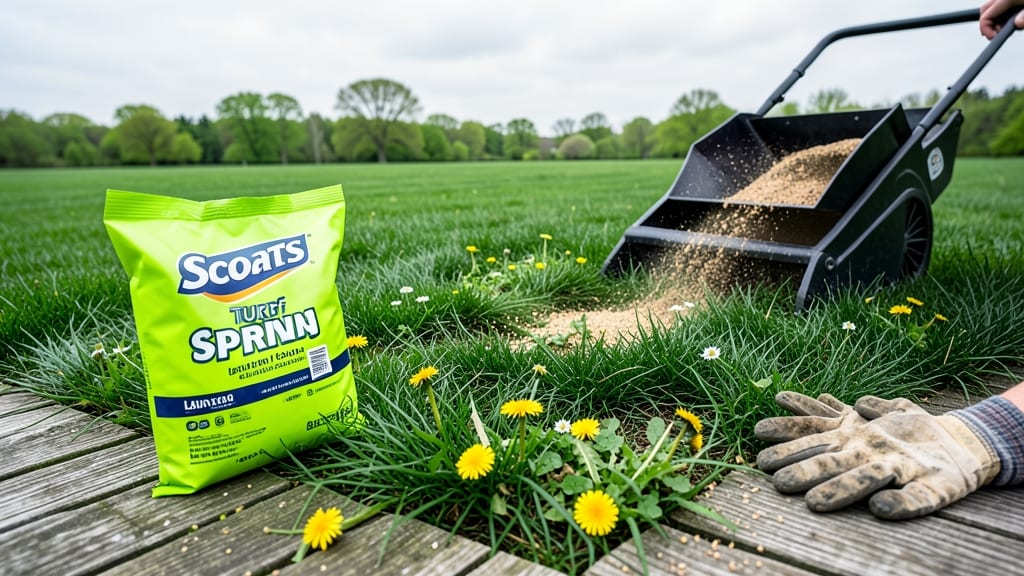
Buying guide: how to choose the best spring lawn fertilizer and weed control
Choosing the right spring lawn fertilizer and weed control can mean the difference between a lush, weed-free lawn and a battleground of crabgrass and dandelions. Here’s what you need to know to make an informed decision that saves you time, money, and frustration.
1. Pre-Emergent vs. Post-Emergent: Know Your Enemy 💡
Pre-emergent fertilizers are your best defense against weeds before they sprout—think crabgrass and chickweed. These products create a barrier in the soil, preventing weed seeds from germinating while allowing your grass to thrive. Post-emergent fertilizers, on the other hand, target weeds that are already growing, using herbicides to kill them on contact. I recommend pre-emergent for spring because it’s the most proactive approach, but if your lawn already has weeds, a combo product (like a 2-in-1 fertilizer with both pre- and post-emergent action) can save you time and effort.
2. Active Ingredient Strength: The Power Behind the Protection ⚡
The active ingredient in weed control fertilizers is what makes them effective. Look for products containing prodiamine, pendimethalin, or dithiopyr, which are proven to stop crabgrass and other common weeds. Higher concentrations (like 0.5% to 1%) offer longer-lasting protection, often up to 3-4 months.
However, stronger isn’t always better—if your lawn has light weed pressure, a mid-range concentration will suffice and won’t overwhelm your grass. Always check the label for application rates based on your lawn size.
3. Fertilizer Blend: Feed Your Grass Right ✅
The NPK ratio (Nitrogen-Phosphorus-Potassium) tells you how the fertilizer will nourish your lawn.
For spring, focus on high nitrogen (N) (look for ratios like 24-0-4 or 30-0-4) to promote rapid green-up. Slow-release nitrogen is ideal because it feeds your grass gradually over weeks, reducing the risk of burning or over-fertilization.
If your soil is deficient in phosphorus or potassium, opt for a balanced blend (like 10-10-10) for long-term health. Organic options, such as corn gluten meal or compost-based fertilizers, are great for eco-conscious gardeners but may require more frequent applications.
4. Application Method: Make It Easy on Yourself 🔍
The formulation (granular vs. liquid) and application method can make or break your experience. Granular fertilizers are the most popular because they’re easy to spread with a broadcast or drop spreader and work well for large lawns. Liquid fertilizers, applied with a hose-end sprayer, are faster but may require more frequent reapplication. Counter-intuitively, granular products often last longer because they release nutrients slowly.
If you have a small lawn or tight schedule, a liquid formula might be worth the convenience. Always water lightly after application to activate the granules and prevent burning.
5. Climate and Grass Type: Tailor Your Choice to Your Lawn 🌱
Not all fertilizers work equally well in every climate or for every grass type. Cool-season grasses (like Kentucky bluegrass and fescue) thrive with high-nitrogen fertilizers in early spring, while warm-season grasses (like Bermuda and Zoysia) need a lighter touch until temperatures rise.
If you’re in a dry climate, opt for water-retentive granules to prevent runoff. For shady lawns, choose a fertilizer with iron and micronutrients to support weaker growth. Always check the label for recommendations based on your grass type and local climate zone.
6. Budget vs. Performance: Get the Best Bang for Your Buck 💰
You don’t need to break the bank for a great lawn, but cheap fertilizers often mean frequent reapplication. Budget-friendly options (like corn gluten meal or basic granular blends) are great for small lawns or light weed pressure, while mid-range products (with slow-release nitrogen and dual-action weed control) offer the best balance for most homeowners. Premium fertilizers with 4-way weed control and soil conditioners are worth the investment if you have heavy weed pressure or want year-round protection. Pro tip: Buy in bulk if you have a large lawn—it’s often cost-effective and reduces packaging waste.
Frequently asked questions
Q: When is the best time to apply spring lawn fertilizer with weed control?
The ideal window for applying spring lawn fertilizer with weed control is late winter to early spring, typically 4-6 weeks before your region’s last frost date. This timing ensures the pre-emergent active ingredients (like prodiamine) create a protective barrier in the soil before weed seeds germinate, usually around late March to early April in most climates. For warm-season grasses (e.g., Bermuda, Zoysia), wait until soil temperatures reach 60-65°F—typically mid-to-late spring. Always check the product label for specific application timing based on your grass type and local climate zone.
Q: Can I use a 2-in-1 fertilizer with weed control on all types of grass?
Most 2-in-1 fertilizers with weed control are designed for cool-season grasses (like Kentucky bluegrass, fescue, and ryegrass), which benefit from high-nitrogen formulations in spring. However, warm-season grasses (e.g., Bermuda, St. Augustine, or Zoysia) may need a lighter touch—some products can stress them if applied too early. Always choose a formula labeled as safe for your grass type or opt for a low-nitrogen, slow-release option if you’re unsure. For example, the classic 10-0-10 ratio is versatile and works well across grass types, while high-nitrogen blends (30-0-4) are best for cool-season lawns.
Q: Why aren’t weeds disappearing after applying my fertilizer?
If weeds persist after applying your spring lawn fertilizer with weed control, it’s likely because pre-emergent products only prevent weeds from sprouting—they won’t kill existing weeds. For established weeds, you’ll need a post-emergent herbicide or a 2-in-1 product with dual-action control. Additionally, uneven application (e.g., skipping spots or using too little product) can leave gaps where weeds thrive. Double-check the coverage rate on the label and consider reapplying if weeds are still emerging. If you’re using an organic option (like corn gluten meal), it may take 2-3 weeks to fully activate, so patience is key.
Q: What’s the difference between pre-emergent and post-emergent weed control?
The key difference lies in when and how they work:
- Pre-emergent weed control creates a soil barrier to stop weed seeds from germinating—ideal for preventing crabgrass, chickweed, and other annual weeds before they sprout. It’s best applied in early spring (or fall for perennial weeds).
- Post-emergent weed control targets existing weeds using herbicides that kill them on contact. It’s useful for dandelions, clover, or grassy weeds already growing in your lawn. Some 2-in-1 fertilizers combine both for convenience.
For spring lawn care, pre-emergent is your first line of defense, but pairing it with a spot treatment of post-emergent (like a targeted herbicide spray) can tackle stubborn weeds.
Q: Is organic weed control as effective as synthetic fertilizers?
Organic weed control (e.g., corn gluten meal or vinegar-based sprays) is less aggressive than synthetic pre-emergent herbicides but can be highly effective for light to moderate weed pressure. Corn gluten meal, for example, suppresses weeds naturally by disrupting seed germination and provides slow-release nitrogen for grass. However, it may require more frequent applications (every 4-6 weeks) and works best in well-maintained lawns with minimal existing weeds. Synthetic options (like prodiamine or pendimethalin) offer longer-lasting protection (3-4 months) and are better for heavy infestations. If you’re eco-conscious, start with organic for prevention and use synthetic spot treatments for tough weeds.
Q: How often should I fertilize my lawn in spring?
For most lawns, one application of a high-quality spring fertilizer with weed control is sufficient, especially if it includes slow-release nitrogen (which lasts 8-12 weeks). However, if you’re using a quick-release formula, you may need a second application 6-8 weeks later to maintain green-up. For organic fertilizers (like corn gluten meal), plan for quarterly feedings (spring, summer, fall) to avoid nutrient spikes. Always follow the label’s recommendations—over-fertilizing can lead to burned grass or nutrient runoff, harming your lawn and local waterways.
Q: Can I use a spreader with all types of lawn fertilizer?
Most granular lawn fertilizers with weed control are compatible with broadcast or drop spreaders, but liquid fertilizers require a hose-end sprayer. For even coverage, a drop spreader is ideal for large lawns, while a broadcast spreader works well for smaller areas. Always calibrate your spreader to match the application rate on the label—too much can burn grass, while too little leaves gaps for weeds. If using a pre-emergent fertilizer, avoid overlapping applications to prevent phytotoxicity (grass damage). For organic options (like corn gluten meal), a handheld spreader often works best to ensure even distribution.
★★★★★4.6(3 reviews)