
Fertilization
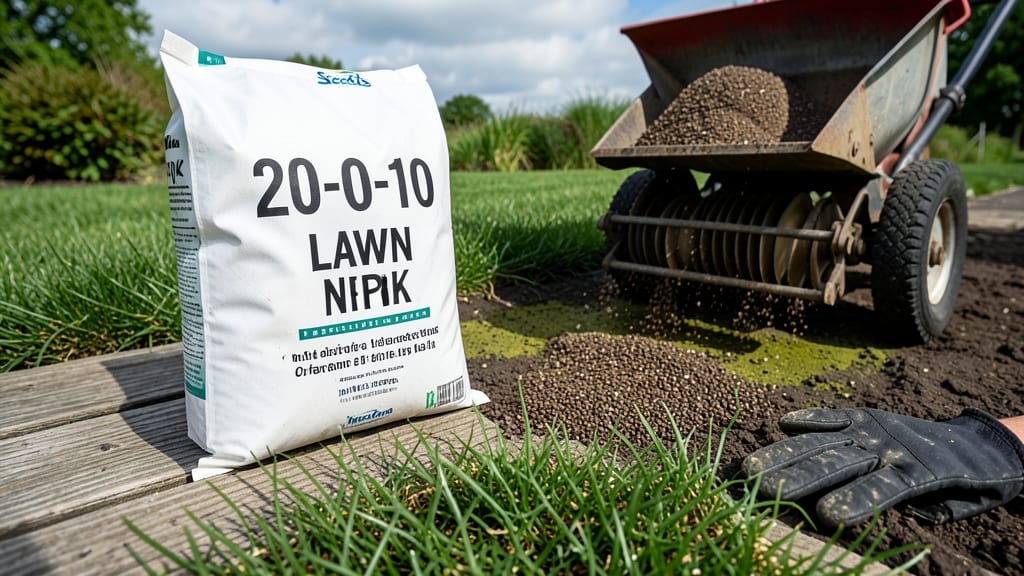
A 20-0-10 lawn fertilizer provides a powerful nitrogen kick to jumpstart leafy growth and vibrant color in established lawns, while its zero phosphorus content aligns with eco-friendly practices and supports root development through 10% potassium. This ratio excels for warm-season grasses like Bermuda and Zoysia but requires careful application to avoid burning or runoff.
A 20-0-10 fertilizer is all about that nitrogen punch—it’s like giving your lawn a turbo boost for lush, green blades. 🌱 The zero phosphorus isn’t just regulatory compliance; it reduces environmental harm while still promoting strong roots through potassium.
For warm-season grasses, timing is everything: apply it in early spring or late fall when growth is active, but never during drought or extreme heat. I’ve seen dramatic results in just 2-3 weeks when used correctly, though overdoing it can lead to that dreaded yellow-brown burn.
What sets this ratio apart is its simplicity—no complicated blends, just straight nitrogen power. That said, it’s not a one-size-fits-all solution. Cool-season grasses like fescue might need a different approach, and soil tests can reveal if your lawn actually needs this much nitrogen.
Always follow the 1 pound per 1,000 sq ft guideline and water it in thoroughly after spreading to lock in those nutrients.
💡 In This Article
- Breaking Down the 20-0-10 N-P-K Ratio for Lawn Health
- When and How to Apply 20-0-10 Fertilizer for Maximum Results
Breaking down the 20-0-10 n-p-k ratio for lawn health
The 20-0-10 ratio is all about nitrogen dominance—specifically, 20% nitrogen by weight, which is the primary nutrient for leafy growth in turfgrass. Nitrogen fuels chlorophyll production, giving your lawn that vibrant green color while promoting rapid cell division for denser grass.
Think of it like a growth hormone for plants: without enough nitrogen, grass blades stay thin and pale, while excess nitrogen can lead to that familiar yellow-brown burn when grass cells get overwhelmed. 🌱
What’s missing here is phosphorus (0%), which is intentional. Many older fertilizers included phosphorus to promote root development, but modern environmental regulations (like the EPA’s ban on phosphorus in lawn fertilizers in some states) have shifted focus to potassium for root strength instead.
Phosphorus can contribute to algae blooms in nearby waterways, so this exclusion aligns with eco-friendly practices while still supporting healthy roots through the 10% potassium content.
Potassium plays a crucial role in drought tolerance and disease resistance—it helps grass cells regulate water and nutrients more efficiently. For warm-season grasses like Bermuda or Zoysia, this ratio is ideal because they thrive on nitrogen-heavy feeding during their active growing seasons (spring to early fall).
In contrast, cool-season grasses like Kentucky bluegrass might benefit more from a balanced ratio like 16-4-8, which includes phosphorus for early root establishment.
Here’s how the numbers break down in practical terms: A 50-pound bag of 20-0-10 contains 10 pounds of nitrogen, 0 pounds of phosphorus, and 5 pounds of potassium.
This high nitrogen content makes it perfect for quick green-up after dormancy or patchy recovery, but it’s not a long-term solution—think of it as a short-term boost rather than a seasonal staple. Overapplying can lead to nitrogen burn, where grass blades turn crispy and brown at the edges.
Soil testing is your best friend here. If your soil already has ample phosphorus (many do), a 20-0-10 fertilizer won’t fix deficiencies—it’s purely a nitrogen play.
For lawns with compacted soil or poor drainage, pairing this fertilizer with a soil amendment (like gypsum or compost) can help roots access the potassium more effectively. The key is balance: nitrogen for growth, potassium for resilience, and smart application timing to avoid waste.
For visual comparison, imagine two lawns side by side: one fed with 20-0-10 and another with a balanced 10-10-10. The 20-0-10 lawn will show faster green-up in 2-3 weeks, but the 10-10-10 lawn might have stronger roots long-term.
The trade-off? The 20-0-10 is a bold, short-term solution for quick results, while the balanced option is a marathon approach. 💫