
Pests
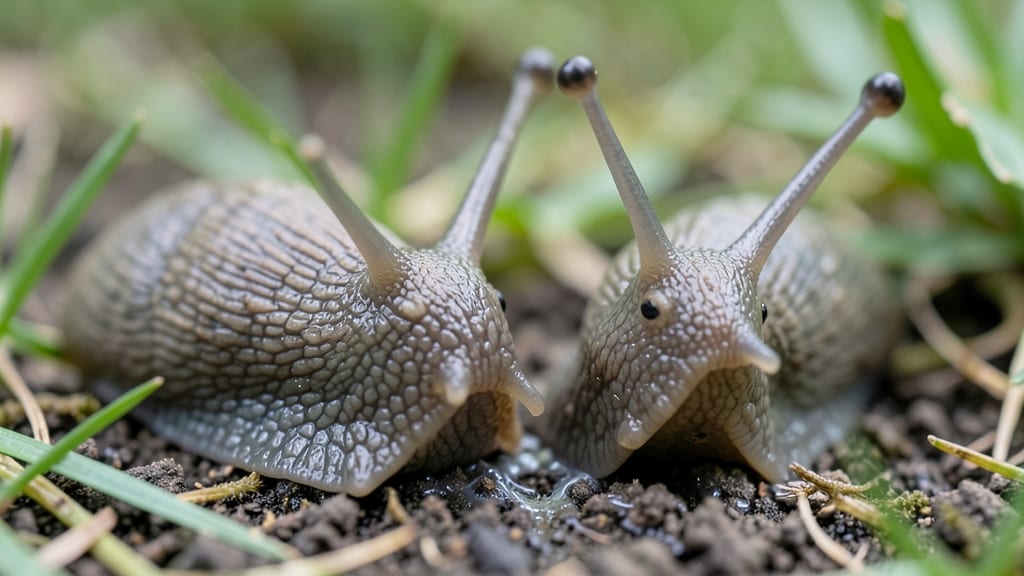
Slugs are bad for your lawn because they devour young seedlings, leaves, and flowers, leaving behind irregular holes and silvery slime trails that stunt plant growth and weaken grass health over time.
Slugs are particularly destructive to lawns because they target the most vulnerable parts of plants—new shoots, soft leaves, and delicate blooms.
Their digestive enzymes break down cellulose, creating ragged holes that invite disease while their slime trails leave a shiny film that blocks sunlight from reaching grass roots. 🌱 Over time, this constant feeding weakens your lawn's resilience, making it more susceptible to drought and pests.
The damage often appears overnight, leaving gardeners baffled by the sudden disappearance of healthy plants.
What makes slugs even more problematic is their ability to thrive in damp conditions, often multiplying rapidly after rain. Their nocturnal habits mean they go undetected until the damage is already done.
Unlike some pests, slugs don't discriminate—they'll attack vegetables, flowers, and ornamental plants alike, turning your carefully tended lawn into a buffet ground.
💡 In This Article
- How Slugs Damage Lawns and Plants
- Natural Slug Control Methods for Healthy Lawns
How slugs damage lawns and plants
Slugs are nocturnal plant predators with a preference for tender, moisture-rich plant material. Their feeding habits focus on young seedlings, soft leaves, and flowers because these parts contain the highest concentration of water and nutrients.
When a slug attacks, its mouthparts secrete digestive enzymes that break down cellulose—the structural component of plant cell walls—allowing them to create irregular, ragged holes in leaves. This isn't just cosmetic damage; it creates open wounds that invite fungal infections and bacterial rot, accelerating plant decline.
The telltale signs of slug activity include silvery slime trails (their mucus secretion) that glisten in sunlight and chewed edges with a distinctive scalloped pattern.
These trails also serve as a warning sign—they contain pheromones that help slugs navigate to food sources. 🌱 What's particularly damaging is how slugs target stressed plants first, often focusing on areas with poor drainage or overwatering where plants are already weakened.
A single slug can consume up to 0.25 square feet of leaf surface in one night, which may seem small but adds up quickly in a lawn setting.
The long-term effects on lawn vitality are particularly insidious. Slugs prefer to feed near the soil surface, where they damage grass blades at their base, creating brown patches that spread rapidly.
Their slime trails also block sunlight from reaching grass roots by creating a thin, reflective film that increases surface temperature—similar to how a greenhouse effect works. This combination of physical damage and environmental disruption weakens the lawn's root system, making it more susceptible to drought and other stressors.
What most gardeners don't realize is how slugs contribute to a vicious cycle of lawn degradation. Their feeding creates ideal conditions for other pests like earwigs and cutworms, which follow the damage trails.
The resulting dead plant material becomes a breeding ground for soil-borne pathogens that further degrade soil health. Over time, this creates a lawn ecosystem that's increasingly difficult to restore without intervention.
Interestingly, slugs exhibit what scientists call "preference hierarchy" in their feeding—certain plants are more attractive than others.
Hostas, lettuce, and marigolds are particularly vulnerable because they contain high levels of calcium and nitrogen, which slugs crave. 🐌 This selective feeding pattern means some plants in your lawn may show severe damage while others nearby remain untouched, creating an uneven appearance that's both unsightly and ecologically disruptive.
To understand the scale of potential damage, consider that a single slug can lay 40-50 eggs in its lifetime, and these hatchlings become active predators within weeks. In ideal conditions (moisture, shade, organic matter), a population can grow exponentially, turning your lawn into a slug superhighway within months.
The key to prevention lies in understanding their behavior patterns and acting before their numbers spiral out of control.