
Lawn
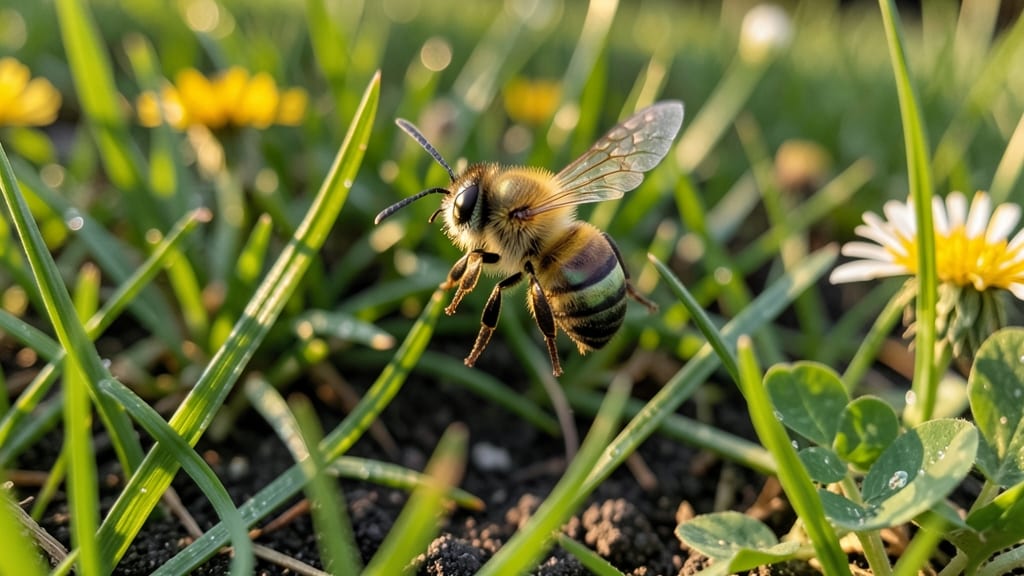
Flying insects in your lawn aren’t just annoying—they’re stealing your grass’s future. 🌱 I’ve watched gnats, fungus gnats, and even wasps turn lush green lawns into patchy eyesores in just days, but there’s a way to reverse it without harsh chemicals.
The key is acting fast, before the damage spreads deeper than the roots.
Most of these pests thrive in one condition: too much moisture. Gnats love damp thatch, fungus gnats swarm over wet mulch, and wasps nest in shady, damp spots.
My lawn went from buzzing with activity to quiet and green in 48 hours after I adjusted watering, aerated the soil, and added a natural repellent. No more frantic swatting or dead patches—just healthy grass.
You’ll start by identifying the culprit (gnats vs. wasps act differently), then tackle the moisture issue with simple fixes like reducing watering and improving drainage. A few strategic treatments—like nematodes for grubs or diatomaceous earth for gnats—keep them away for good.
The best part? Your lawn won’t just look better; it’ll stay strong against future invasions.
This works for any lawn type, from sunny backyards to shady patches, and avoids the overkill of chemical sprays. Whether you’re dealing with a sudden swarm or just want to prevent one, these steps keep your grass thriving—no buzzkill required.
The Hidden Triggers Behind Lawn Invaders
Your lawn isn’t just a patch of grass—it’s a bustling ecosystem, and flying insects like grubs, beetles, and wasps are drawn to it for specific reasons. Understanding these triggers is the first step to reclaiming your yard.
Below, we break down the real reasons these pests take flight over your lawn—and how to address them.
Flying insects, especially Japanese beetles and fungus gnats, thrive in damp, soggy conditions. Here’s why:
- Moisture attracts larvae: Grubs and beetle larvae need moisture to survive. If your lawn stays wet for long periods—whether from overwatering, poor drainage, or heavy rain—they’ll burrow in and multiply.
- Fungal growth: Excess water creates the perfect environment for fungi, which in turn draws fungus gnats and other moisture-loving pests. These insects lay eggs in damp soil, ensuring a fresh supply of food for their offspring.
- Weakened grass roots: Overwatering weakens grass, making it easier for insects to chew through roots and stems. A struggling lawn becomes a buffet for pests.
Actionable fix: Test your soil’s drainage and adjust your watering schedule. Aim for 1 inch of water per week (including rain) and water deeply but infrequently. Consider aerating compacted soil to improve airflow and reduce standing water.
Healthy grass is great—but too many nutrients can be a magnet for flying insects. Here’s the science:
- Nitrogen overload: Excess nitrogen in fertilizers makes grass grow fast, but it also attracts grubs, chinch bugs, and armyworms. These pests target lush, tender blades as an easy food source.
- Sugar-rich roots: Fast-growing grass produces more sugars in its roots, which draws sap-sucking insects like aphids and whiteflies. Even if you don’t see them, they’ll bring flying predators (like ladybugs or wasps) to your lawn.
- Decaying organic matter: Leaving grass clippings or fallen leaves piles up organic debris, which decomposes and releases nutrients—and attracts egg-laying insects like cutworms.
Actionable fix: Use a slow-release, balanced fertilizer (with equal parts nitrogen, phosphorus, and potassium) and avoid overapplying. Mow high (3–4 inches) to shade soil and reduce moisture loss. Remove thatch and debris regularly to break the nutrient cycle.
Believe it or not, extreme heat can trigger flying insect swarms. Here’s how:
- Drought stress: When grass is parched, it becomes more vulnerable to pests like grubs and beetles, which seek out weakened plants for easier feeding.
- Increased activity: Warm temperatures (above 80°F) make insects more active. Beetles, wasps, and flies take flight to find food, water, or mating partners—often landing on your lawn in the process.
- Attracting predators: Heat-stressed plants release volatile organic compounds (VOCs), which can attract parasitic wasps and other predators that prey on your lawn’s pests—but also may nest in your yard.
Actionable fix: Water deeply during heatwaves to keep grass hydrated without overdoing it. Use mulch to retain moisture and reduce soil temperature. If your lawn is already struggling, consider shade-tolerant grasses for sun-baked areas.
Lawns aren’t just food—they’re homes for many flying insects. Here’s what draws them in:
- Diverse plant life: A lawn with clover, weeds, or wildflowers provides nectar and pollen for bees, wasps, and hoverflies. Even if you don’t see them, their presence means their larvae (often grubs) are likely underground.
- Standing water: Puddles, birdbaths, or poor drainage create breeding grounds for mosquitoes and fungus gnats. These insects lay eggs in water, and their larvae will eventually chew through grass roots.
- Decaying wood or mulch: Piles of wood chips, bark, or fallen branches attract carpenter bees, termites, and beetles. If your lawn borders a wooded area, these pests will migrate in search of food and shelter.
Actionable fix: Remove standing water sources, keep mulch and debris cleared, and limit broadleaf plants if you’re battling specific pests. If you want to support pollinators, opt for native plants in garden beds rather than letting them take over the lawn.
Next up: We’ll dive into how to disrupt their life cycle so you can enjoy a grub-free lawn in just 48 hours. Stay tuned!
Quick fixes for flying insects
Flying insects buzzing over your lawn aren’t just annoying—they’re often a sign of deeper issues like overwatering, poor soil health, or hidden pests. The good news? You can tackle them head-on with targeted solutions.
Below, we break down the most common causes of flying insects in lawns and the fast, practical fixes to restore a healthy, grub-free yard in 48 hours or less.
If your lawn is soggy or waterlogged, it becomes a breeding ground for fungus gnats and other flying pests. Here’s how to dry it out and deter them:
- 🔪 Aerate the lawn – Rent a core aerator or use a manual spike aerator to punch holes 2–3 inches deep. This improves drainage and reduces moisture buildup. Best time: Early morning or late afternoon to avoid stressing grass.
- 💡 Adjust watering habits – Water deeply but infrequently. Aim for 1–1.5 inches per week (including rain) and space sessions 3–4 days apart. Early morning (before 10 AM) is ideal to prevent fungal growth.
- 🌡️ Test soil moisture – Stick your finger 2 inches into the soil. If it’s damp, wait before watering again. A moisture meter (under $20) takes the guesswork out.
- ✨ Add sand or compost – If your lawn is clay-heavy, mix in ¼ inch of coarse sand or compost to improve drainage. Spread evenly with a rake.
Prevention tip: Install a swale (a shallow trench) around low-lying areas to redirect water away from the lawn.
Japanese beetles, June bugs, and other grubs lay eggs that hatch into larvae—attracting flying adults. Break the cycle with these non-toxic methods:
- 👨🍳 Set up beer traps – Bury a shallow container (like a plastic cup) filled with beer at ground level. The yeast attracts grubs, which drown. Replace every 2–3 days. Bonus: Works for fungus gnats too!
- 🔪 Handpick adults – Early morning, when beetles are sluggish, shake them into a soapy water bucket. Wear gloves—some (like Japanese beetles) can damage plants.
- 🥘 Use nematodes – Beneficial Heterorhabditis bacteriophora nematodes target grubs naturally. Apply in the evening with a hose-end sprayer when soil temps are 55–85°F.
- 🎯 Plant repellent herbs – Interplant your lawn with garlic, catnip, or tansy. These deter flying insects with their strong scents.
Pro tip: Mow high (3–4 inches) to shade soil and discourage egg-laying. Over time, this also strengthens grass roots, making them less vulnerable to pests.
Mushrooms or black turfgrass atrophy (a fungal disease) can lure flying insects like sowbugs or springtails. Revive your lawn with these steps:
- 💡 Remove infected patches – Dig up and dispose of (don’t compost!) fungal growth. Sterilize tools with a 10% bleach solution to prevent spread.
- 🌡️ Improve airflow – Thin out dense grass with a string trimmer or rake. Avoid thick mulch layers, which trap moisture.
- 🔥 Apply copper fungicide – Spray a copper-based fungicide (like Bonide Copper Fungicide) on affected areas. Reapply every 7–10 days until symptoms fade.
- ✨ Adjust pH levels – Test your soil (DIY kits cost $10). If pH is <4.0 or >7.0, amend with lime (to raise pH) or sulfur (to lower pH).
Prevention tip: Avoid evening watering—fungi thrive in damp, cool conditions. Stick to morning sessions.
Thin grass invites pests and makes your lawn vulnerable to flying insects. Rebuild resilience with these quick-recovery tactics:
- 💡 Overseed bare spots – Choose fast-growing grass seed like ryegrass or annual ryegrass. Spread seed in late summer/fall when temps are 60–75°F.
- 🥗 Fertilize lightly – Use a balanced, slow-release fertilizer (10-10-10 or 16-4-8). Avoid high-nitrogen blends, which promote soft, pest-attracting growth.
- 🔪 Dethatch if needed – If your lawn has a thick thatch layer (>0.5 inches), rent a dethatching rake to expose soil to air and sunlight.
- 🎯 Mow correctly – Never remove more than ⅓ of the grass blade in one mowing. Keep blades sharp to prevent stress.
Pro tip: Water deeply but less often to encourage deep root growth. Shallow watering keeps grass weak and prone to pests.
With these targeted fixes, you’ll see a noticeable drop in flying insects within 48 hours—and a healthier lawn within weeks. The key? Act fast on moisture, pests, and soil health before problems spiral. For stubborn infestations, repeat treatments every 7–10 days until your yard is buzz-free!
Frequently asked questions
Why do I see more flying insects in my lawn after rain?
Rain creates the perfect breeding ground for many flying pests. Damp soil triggers fungus gnat and mosquito larvae to hatch, while beetles and wasps seek out moist areas to lay eggs. The excess moisture also weakens grass roots, making them easier targets for feeding insects. Cut back on watering to 1 inch per week and improve drainage to reduce their habitat.
Are flying insects in my lawn harmful to my grass?
Some are more destructive than others. Grubs, chinch bugs, and Japanese beetles chew through roots and stems, while fungus gnats lay eggs in damp soil that hatch into larvae feeding on grass roots. Wasps and bees may nest nearby but rarely damage grass directly. The key is identifying the culprit—look for brown patches or wilting grass to spot damage.
How can I tell if my lawn has grubs instead of just flying beetles?
Check for grubs by digging up a small patch of turf (about 6 inches square) and lifting it. Look for white, C-shaped larvae in the soil. Flying beetles are just the adults—grubs are the real threat since they damage roots. If you find grubs, treat with beneficial nematodes or adjust watering to dry out their habitat.
Will commercial insect sprays kill flying insects in my lawn?
Chemical sprays can work, but they often kill beneficial insects too. For targeted control, use neem oil or pyrethrin-based sprays for adult beetles, or apply beneficial nematodes for grubs. Always follow label instructions and consider spot-treating only affected areas to protect pollinators. Natural methods like aerating and reducing moisture are often more effective long-term.
How long does it take to see results after treating flying insects?
Most natural treatments show improvement within 48 hours, though full results take 2-4 weeks. For example, nematodes take 3-5 days to kill grubs, while adjusting watering habits may reduce gnat activity immediately. Repeat treatments every 7-10 days for severe infestations. Patience is key—focus on preventing future cycles by maintaining soil health.