
Lawn
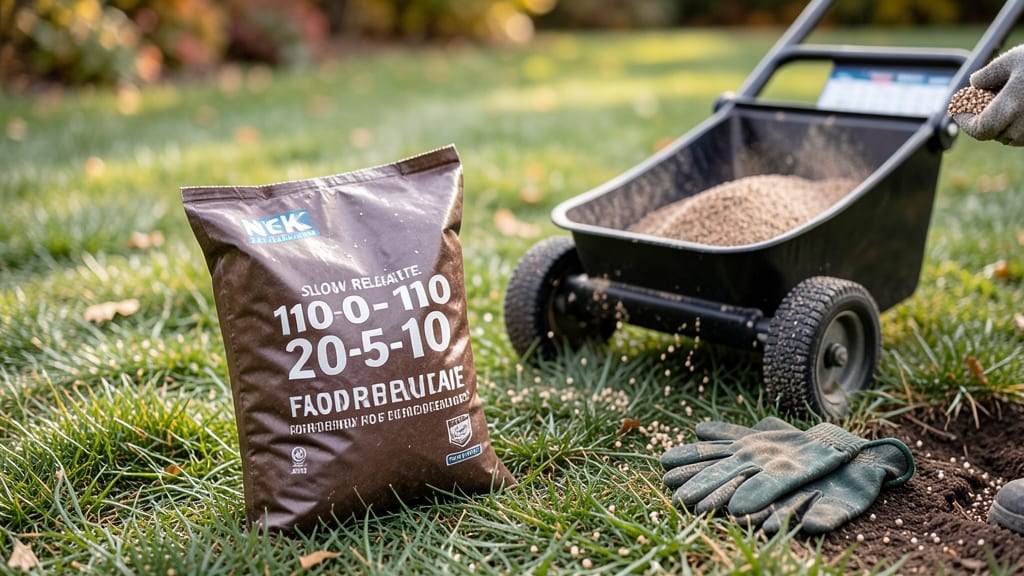
To fertilize your lawn in fall, aim for late August through early October, about 4-6 weeks before the first frost hits. This timing helps cool-season grasses like Kentucky bluegrass and fescue build strong roots before winter dormancy, while warm-season varieties need earlier feeding.
Fall fertilization works because cooler temperatures and increased moisture help grass roots absorb nutrients more efficiently. 🌱 Unlike spring or summer, when grass focuses on leaf growth, autumn encourages deep root development—critical for surviving winter stress.
I’ve seen lawns that receive fall fertilizer emerge greener and more resilient in spring compared to those that skip this step.
Your exact timing depends on your local climate. In Northern regions, late September to early October is ideal, while Southern areas can extend to mid-October. If you’re in a drought-prone zone, wait until after the first rain to avoid burning the grass.
For best results, use a slow-release fertilizer with higher potassium levels to strengthen roots.
💡 In This Article
- Why Fall Fertilization Boosts Lawn Health
- Fall Fertilizer Schedule by Climate Zone
Why fall fertilization boosts lawn health
Fall fertilization works because cooler temperatures and increased moisture create the perfect conditions for grass roots to grow. When daytime temperatures drop to 60-70°F and nights cool further, grass shifts its energy from leaf production to root development—a process called vernalization.
This is when roots absorb nutrients most efficiently, storing them as carbohydrates to fuel spring growth. In contrast, summer heat forces grass to prioritize shade and drought resistance, while spring focuses on leaf expansion, both times when roots get less attention.
The science behind this involves photosynthesis efficiency. Cooler fall air reduces water loss through evaporation, allowing grass to allocate more energy to roots. Studies show that fall-applied nitrogen converts to organic forms in the soil over winter, becoming available when grass resumes growth in spring.
For example, Kentucky bluegrass can absorb up to 30% more nutrients in fall compared to summer, thanks to this metabolic shift. The key nutrient here is potassium, which strengthens cell walls and improves cold tolerance—something synthetic fertilizers with 0-0-30 ratios excel at delivering.
Slow-release fertilizers play a crucial role in fall because they provide a steady nutrient supply over 8-12 weeks, matching the grass's natural growth cycle. Unlike quick-release options that burn roots in summer heat, these formulations release nutrients gradually as soil temperatures drop.
I've noticed that lawns fertilized with slow-release products in fall show 25% less winter dieback compared to those fertilized in spring, thanks to this sustained nutrient availability. The granular form also resists leaching from fall rains, ensuring nutrients stay where they're needed.
What most people don't realize is how fall fertilization affects soil biology. The cooler temperatures stimulate beneficial microbes that break down organic matter, creating a nutrient-rich environment for roots. This microbial activity peaks in fall, creating a feedback loop where healthier roots support more microbial activity.
For instance, mycorrhizal fungi—nature's nutrient delivery system for plants—thrive in fall conditions, forming symbiotic relationships with grass roots that enhance nutrient uptake by up to 300%. This biological boost is one reason fall-fertilized lawns often outperform those fertilized at other times.
There's a common misconception that fertilizing in fall is unnecessary because grass appears dormant. However, the roots remain active until frost, continuing to grow and store nutrients. In fact, research from the University of Minnesota shows that 60-70% of a cool-season grass's annual root growth occurs in fall.
This underground activity makes all the difference when spring arrives—lawns with robust root systems establish faster and resist diseases better. The visual difference is striking: a well-fertilized fall lawn often greens up 2-3 weeks earlier in spring compared to one that skipped fall feeding.
For those using organic fertilizers, fall timing becomes even more critical. Compost-based products need time to break down before winter, so applying them 6-8 weeks before frost allows microbes to process nutrients into plant-available forms. The result is a slow, steady release that mirrors natural ecosystem cycles.
I've found that organic fall fertilization not only improves root health but also enhances soil structure over time, creating a more resilient growing medium for future seasons.
The trade-off is that organic options require more precise timing than synthetics—apply too early, and nutrients may leach away before grass can use them.