
Lawn
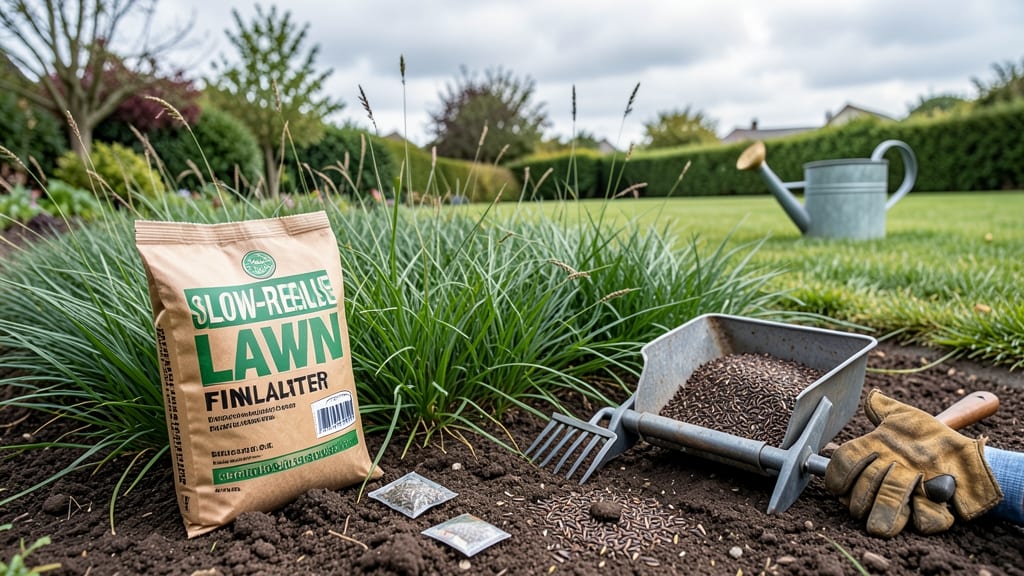
Fertilizing and seeding your lawn at the right time is the secret to a thick, weed-resistant carpet that stays green all season long.
Picture this: you’ve just seeded your lawn in the middle of summer, only to watch the seeds fry under the blazing sun. Or you fertilize in winter, wondering why your grass isn’t responding.
Timing isn’t just about following a calendar—it’s about reading your climate and grass type to avoid costly mistakes.
In Zone 6a, the best window for seeding is early spring (March–April) or early fall (September–October), when temperatures are cool and moisture is consistent. Fertilizing, on the other hand, peaks in spring and fall, with lighter feeds in summer to prevent stress.
Skip winter entirely—your grass is dormant, and fertilizer just wastes money.
Below, I’ll break down the exact schedule for your region, how to sync fertilizing and seeding for maximum results, and the three common pitfalls that turn green dreams into brown patches. Ready to grow grass that outcompetes weeds naturally?
Best seasons to fertilize your lawn for maximum growth
Timing your lawn fertilization isn't just about throwing down fertilizer whenever you remember—it's a science-backed strategy that determines whether your grass thrives or struggles. The best times to fertilize are early spring and fall, when grass is actively growing but not under stress from extreme heat or cold.
These seasons align with nature's growth cycles, helping your lawn develop deep roots and dense foliage that outcompetes weeds.
Many gardeners make the mistake of fertilizing in summer, thinking their lawn looks thirsty. But high temperatures cause fertilizer to burn grass blades and promote fungal diseases like brown patch. Instead, focus on light feedings in summer if needed, using slow-release formulas to protect your lawn during heatwaves.
The key is matching your fertilization schedule to your grass type—cool-season grasses (like Kentucky bluegrass) peak in spring/fall, while warm-season grasses (like Bermuda) respond better to summer applications.
Regional differences also play a huge role. In Northern climates (USDA Zones 3-6), fall fertilization is critical—it strengthens roots before winter dormancy. Southern lawns (Zones 7-10) can extend their growing season into late fall, sometimes allowing a fourth feeding in November.
Always check your last frost date—aim to fertilize 6-8 weeks before frost to give grass time to absorb nutrients before going dormant.
Let's break down the seasonal fertilization schedule with a comparison table to help you visualize the best approach for your lawn's needs.
| Season | Best Time | Fertilizer Type | Grass Type | Key Goal |
|---|---|---|---|---|
| Early Spring | March-April | High-nitrogen starter | Cool-season | Kickstart growth after dormancy |
| Late Spring | May-June | Slow-release | All types | Support summer growth |
| Summer | July-August | Light nitrogen | Warm-season | Maintain color, prevent stress |
| Early Fall | September-October | Slow-release | Cool-season | Strengthen roots before winter |
| Winter | November-February | None | All types | Grass is dormant |
For cool-season grasses, the fall feeding is particularly important—it can account for 40% of your lawn's annual growth. Apply a slow-release fertilizer with a 24-0-10 NPK ratio 6-8 weeks before your first frost.
This timing gives grass time to absorb nutrients and store carbohydrates in its roots, helping it survive winter and bounce back early in spring. In contrast, warm-season grasses should get their final feeding in late summer to prepare for fall dormancy.
One common mistake is over-fertilizing in summer, which can lead to burned grass and weed invasion. If you must fertilize during hot months, use half the recommended dose and always water thoroughly afterward.
Another pitfall is skipping soil testing—knowing your soil's pH helps you choose the right fertilizer. For example, acidic soil (pH <6.0) benefits from lime applications before fertilizing, while alkaline soil (pH >7.5) may need sulfur to balance nutrients.
Pro tip: Pair your fall fertilization with aeration to help nutrients reach the root zone. Rent a core aerator or hire a lawn service to pull small soil plugs from your lawn before applying fertilizer.
This opens up compacted soil, allowing roots to absorb 30% more nutrients and grow deeper. Timing is everything—do this in early fall when soil is warm but not yet frozen, ideally when daytime temps are between 60-75°F.
Remember, the best
Step-by-step guide to seeding your lawn at the right time
Timing is everything when it comes to seeding your lawn. Planting at the wrong time can lead to poor germination, weed invasion, or even wasted seed. The best time to seed depends on your grass type and climate zone.
Cool-season grasses like Kentucky bluegrass and fescue thrive when seeded in early fall or early spring, while warm-season grasses like Bermuda and Zoysia prefer late spring to early summer.
Before seeding, prepare your soil by removing debris and aerating compacted areas. Test your soil pH (aim for 6.0–7.0) and amend with compost or lime if needed.
Proper soil prep ensures seeds make strong contact with nutrients, boosting germination rates to over 90%. Skipping this step can leave your lawn thin and patchy.
Here’s how to seed your lawn at the optimal time for success:
After seeding, monitor your lawn closely for the first 4–6 weeks. Watch for even color and uniform growth—these are signs your seeds are thriving. If you notice brown patches or slow germination, adjust your watering schedule or check for soil compaction.
Patience is key; a well-seeded lawn will reward you with a thick, weed-resistant carpet by next season.
Pro tip: Mark your calendar for fall seeding—it’s the most successful time for cool-season grasses because cooler temps reduce stress and weed competition is minimal. For warm-season grasses, early summer ensures strong root development before winter dormancy.