
Fertilization
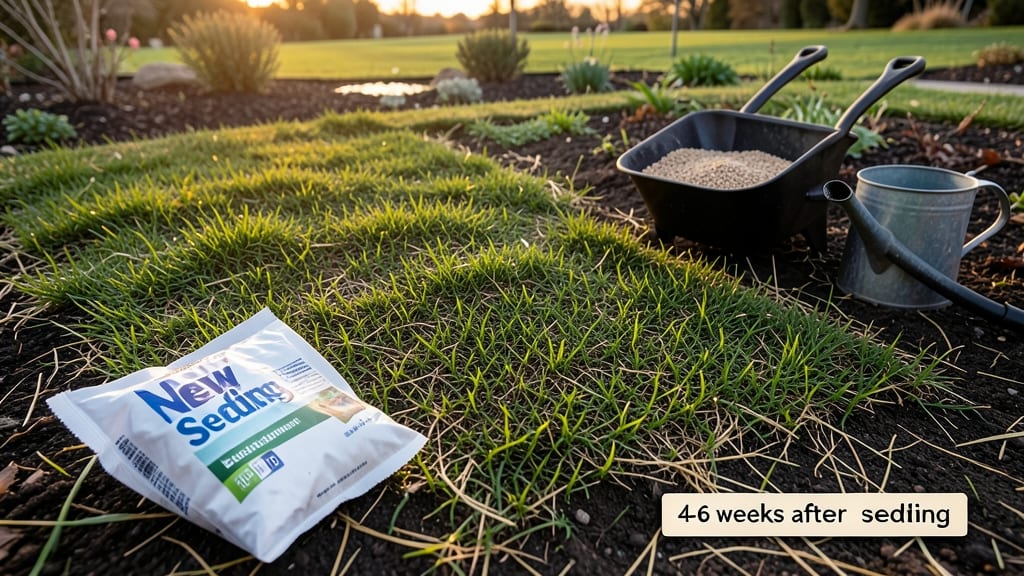
Fertilizing lawn after seeding at 4 to 6 weeks is the key to avoiding stunted roots and wasted nutrients—something I learned the hard way when my first attempt left patchy, weak grass.
New grass seed needs patience—but fertilizing too early can smother young roots. The 4-6 week rule isn’t just a guideline; it’s the foundation for a lush, resilient lawn that stays green through droughts and foot traffic.
Too soon, and the fertilizer burns tender seedlings. Too late, and you miss the critical window when roots are hungry for nutrients. Below, I’ll break down the exact timing, fertilizer types, and signs your lawn is ready.
You’ll discover how to avoid common mistakes, like overwatering after feeding, and when to adjust for your climate—because what works in Zone 6a might not fit your region.
The 4-6 week fertilization rule explained: why timing matters for seedlings
When you sow fresh grass seed, your first instinct might be to feed it right away—but that’s like giving a newborn baby a heavy meal before they’ve even opened their eyes.
The 4-6 week fertilization rule exists for a reason: young grass seedlings need time to establish their root systems before they can handle nutrients. Skipping this window often leads to nitrogen burn or stunted growth, leaving you with patchy, weak turf.
Here’s the science behind it: during the first 3-4 weeks, grass seeds focus all their energy on germination and early root development. Fertilizer salts draw moisture away from these delicate roots, creating osmotic stress that can kill seedlings before they even emerge.
Even after germination, roots only penetrate about 1-2 inches deep—too shallow to access nutrients effectively. Waiting until week 4-6 ensures roots have grown deep enough to absorb nutrients without stress.
Soil temperature plays a critical role too. Cooler spring soils (55-65°F) slow nutrient breakdown, while warmer fall soils (60-75°F) speed it up. If you fertilize too early in cold weather, nutrients sit unused in the soil, risking leaching or salt buildup.
The 4-6 week rule gives roots time to reach the warmer, nutrient-rich layers below.
| Seedling Stage | Root Depth | Fertilizer Risk | Optimal Action |
|---|---|---|---|
| 0-3 Weeks (Germination) | 0-1 inch | High (Nitrogen Burn) | None - Use starter fertilizer only if soil test shows deficiency |
| 4-6 Weeks (Early Growth) | 1-3 inches | Moderate (If over-applied) | Light starter fertilizer (10-0-10 NPK ratio) |
| 6-8 Weeks (Establishment) | 3-6 inches | Low (Roots can access nutrients) | Full growth fertilizer (24-0-6 NPK ratio) |
| 8+ Weeks (Mature) | 6+ inches | None (Unless soil test shows deficiency) | Maintenance feeding (Every 6-8 weeks) |
Moisture balance is just as critical as timing. Fertilizer needs water to activate, but overwatering after feeding can drown young roots or wash away nutrients before they’re absorbed.
The key is to apply fertilizer in the early morning when temperatures are cool, then water lightly to help nutrients penetrate—but not so much that you create soggy soil. Think of it like giving your lawn a gentle drink after a meal, not a flood.
One common mistake is assuming all fertilizers are equal. High-nitrogen blends (like 30-0-4) are perfect for established lawns but can scorch seedlings if applied too soon. Instead, opt for a low-nitrogen starter fertilizer (like 10-0-10) at the 4-6 week mark.
This gives seedlings a gentle nutrient boost without overwhelming them. Pro tip: always check the NPK ratio on the bag—if the first number (nitrogen) is above 20, wait longer.
Regional climate matters too. In cool-season grasses (like Kentucky bluegrass), the 4-6 week rule applies to both spring and fall seeding. But for warm-season grasses (like Bermuda), wait until roots reach 3-4 inches deep—often closer to 6-8 weeks—before fertilizing.
Soil microbes break down nutrients faster in warm climates, so patience pays off in stronger turf.
What happens if you fertilize too late? Weak, yellowing grass that struggles to compete with weeds. The ideal window closes around 8-10 weeks after seeding, when roots have fully established. After that, your lawn enters its maintenance phase, where regular feeding (every 6-8 weeks) keeps it lush.
But rushing this process is like trying to teach a toddler to run before they’ve learned to walk—you’ll end up with more stumbles than strides.
To test if your seedlings are ready for fertilizer, gently pull up a small section. If roots are white and 2-3 inches long, it’s time. If they’re sparse or brown, wait another week.
Healthy roots should feel springy, not brittle—a sure sign they’re absorbing nutrients efficiently. This simple check saves you from over-fertilizing and gives your lawn the best possible start.
Remember, the 4-6 week rule isn’t arbitrary—it’s rooted in how grass grows. By aligning fertilization with root development, you’re not just following a guideline; you’re giving your lawn the foundation it needs to thrive for years. Patience now means a greener, stronger lawn later—no shortcuts required. 🌱
How to fertilize new grass seed correctly: step-by-step for maximum root growth
Fertilizing new grass seed at the wrong time can actually harm those delicate seedlings. The key is patience—waiting until the roots are strong enough to handle nutrients without getting burned. I’ve learned this the hard way after watching young grass turn brown from too much fertilizer too soon.
The right approach focuses on low-nitrogen starter blends and precise application techniques to fuel growth without shock.
Timing is critical because seedlings need time to develop their root systems before they can process nutrients effectively. A low-nitrogen fertilizer (5-10-5 or 6-12-12 ratio) is ideal for this stage, as it provides essential phosphorus and potassium while keeping nitrogen levels safe.
I always double-check the label to ensure I’m using the right blend for new grass.
Here’s my step-by-step guide to fertilizing new grass seed correctly, ensuring your lawn gets the boost it needs without risking damage:
Wait 4-6 Weeks After Seeding
Allow seedlings to establish roots before applying fertilizer. This ensures they can absorb nutrients without stress.
Choose a Low-Nitrogen Starter Fertilizer
Use a 5-10-5 or 6-12-12 blend to avoid nitrogen burn. These ratios provide phosphorus and potassium for root development.
Apply Fertilizer in Early Morning
Spread fertilizer before 10 AM to allow nutrients to absorb before the heat of the day. Avoid evening applications to prevent fungal risks.
Use a Drop Spreader for Precision
A drop spreader ensures even distribution without clumping. Walk slowly and overlap passes to avoid bare spots.
Water Immediately After Application
Apply ¼ inch of water to activate the fertilizer and help roots absorb nutrients. Keep soil moist for 24 hours post-fertilization.
After fertilizing, avoid heavy foot traffic or compacting the soil, as young roots are still fragile. I’ve found that using a light layer of straw mulch helps retain moisture and protects seedlings from wind or rain erosion.
This step is often overlooked but makes a huge difference in the long run.
If you notice yellowing or wilting after fertilization, it could be a sign of over-application or drought stress. In this case, water deeply and monitor the lawn closely. Adjust future fertilizer amounts based on the grass’s response—every lawn is different, and finding the right balance takes time.
With the right timing and care, your new grass will establish a strong root system and grow into a thick, vibrant lawn. The patience you invest now will pay off in a resilient turf that handles drought, pests, and foot traffic like a pro. 🌱