
Lawn
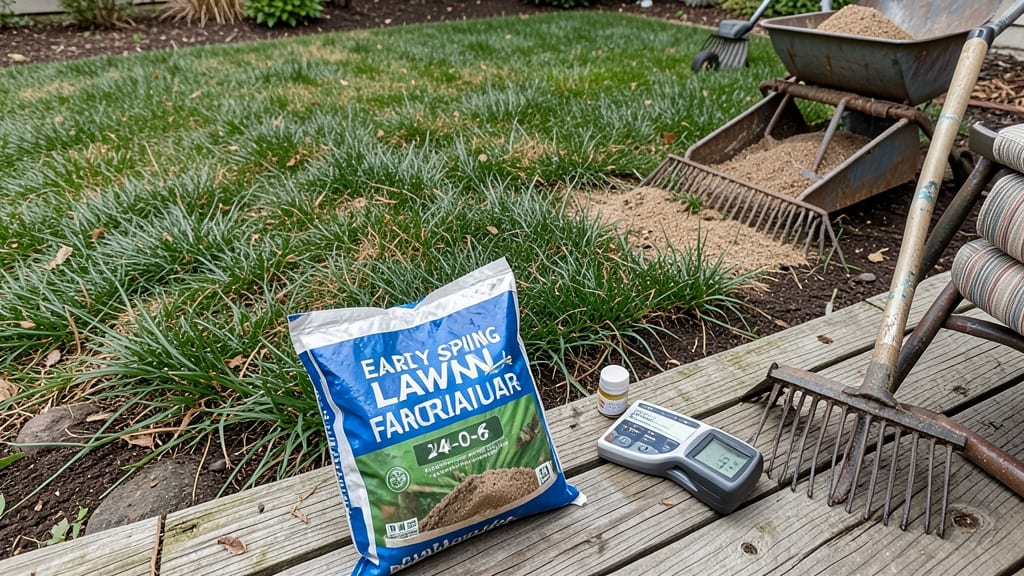
Fertilizing your lawn after winter should happen when soil temperatures hit 50°F—any earlier, and you’re just feeding weeds, not grass.
That’s the game-changer most gardeners miss: timing matters more than the calendar. Too soon, and nutrients get wasted; too late, and your lawn plays catch-up all season. The key is watching for those first signs of spring—when 🌱 lawn grass starts greening up and soil feels warm to the touch.
But here’s the catch: your zone, grass type, and even last winter’s severity all shift the ideal window. A slow-release fertilizer in early spring builds roots, while quick-release can burn tender new shoots. I’ll break down the exact steps to nail this—no guesswork, just results.
Ready to skip the trial-and-error? You’ll learn how to test soil temperature, choose the right feed, and avoid the three biggest mistakes that leave lawns looking lackluster.

Ideal soil temperature for spring lawn fertilization: the 50°F rule
Spring lawn care begins with understanding your grass type's unique needs. Cool-season grasses like Kentucky bluegrass and fescue thrive when soil temperatures hit 50°F—this signals their roots to wake up from winter dormancy.
Warm-season varieties such as Bermuda and Zoysia, however, need to wait until soil reaches 60°F+ before fertilizing. Ignoring this rule often leads to wasted nutrients or stressed grass.
Soil temperature matters more than calendar dates because cold ground slows nutrient absorption. Fertilizer applied too early sits dormant in frozen soil, while applying it too late misses the peak growth window of early spring. The 50°F threshold ensures nutrients align with your grass's natural revival cycle, maximizing results.
Regional variations play a huge role—Northern climates may hit 50°F in March or April, while Southern zones might reach it by February. Always check local USDA hardiness zones and microclimates (like urban heat islands) to adjust your timing.
A soil thermometer ($15 at garden centers) removes the guesswork by giving precise readings.
| Grass Type | Ideal Soil Temp | Best Months | Signs It's Ready |
|---|---|---|---|
| Cool-Season (Fescue, Bluegrass) | 50°F+ | March-April (North), Feb-March (South) | Green shoots, soft soil |
| Warm-Season (Bermuda, Zoysia) | 60°F+ | April-May (North), March-April (South) | Warm soil, active growth |
| Transition Zones (Tall Fescue) | 55°F+ | Late March-Early May | Mixed cool/warm signs |
Testing soil temperature is simpler than you think. A soil thermometer (inserted 4 inches deep) gives instant readings. For a DIY moisture ball test, bury a damp tennis ball in soil overnight—if it's dry in the morning, your soil is below 50°F.
This method works without tools but requires patience (test for 3 consecutive days for accuracy).
Common mistakes include fertilizing frozen ground (nutrients leach away) or ignoring microclimates (south-facing slopes warm faster). Always check soil in shady areas separately—they may stay colder longer. Pro tip: Morning is best for testing, as daytime sun can skew readings by 5-10°F.
Once you hit the right temperature, act fast. Slow-release fertilizers (like 24-0-5) are ideal—they sync with your grass's growth cycle. Apply when soil is slightly moist (after light rain) to prevent burn. Water lightly after application to activate nutrients without overwhelming roots.
Northern gardeners often rush spring fertilization due to short growing seasons. Wait until 3 consecutive days above 50°F—this ensures consistent root activity. Southerners, meanwhile, may face early warm-ups, but avoid fertilizing before 60°F to prevent fungal growth in damp conditions.
Watch for early spring growth signs: soft soil, green shoots, and active insects (like bees). These indicate your lawn is ready. If your grass stays dormant past April 15, reconsider your timing—it may need aeration or overseeding before fertilizing.
Remember: Soil temperature > calendar dates. A 50°F soil isn't just a number—it's the biological trigger for your lawn's revival. Master this rule, and you'll double your fertilization success while keeping your grass lush and healthy all season.
Step-by-step guide: how to fertilize your lawn at the perfect time
Timing your lawn fertilization after winter is like waking a sleeping giant—do it too early, and you waste nutrients; too late, and your grass misses its growth spurt. The key is preparing your lawn properly and choosing the right fertilizer type for your grass variety.
Start by checking for soil readiness: the ground should be thawed to at least 4 inches deep, and you should see new grass sprouts emerging.
Before applying fertilizer, clear debris like leaves or thatch, then mow your lawn to a height of 2.5-3 inches. This helps the fertilizer reach the roots effectively. For cool-season grasses (like fescue or bluegrass), aim for early spring when soil temps hit 50°F.
Warm-season grasses (like Bermuda) need to wait until soil is 60°F+, usually in late spring.
🌱 Step-by-Step Fertilization Process
- Step 1: Test Soil pH (ideal: 6.0-7.0). Adjust with lime if needed.
- Step 2: Aerate compacted soil using a core aerator for better nutrient absorption.
- Step 3: Choose fertilizer: Slow-release (organic) for steady growth or quick-release (synthetic) for fast results.
- Step 4: Set spreader to recommended rate (e.g., 1 lb per 100 sqft) and apply evenly in overlapping passes.
- Step 5: Water lightly (¼ inch) to activate granules, then deeply (1 inch) over 24 hours.
- Step 6: Avoid foot traffic for 3-5 days to let grass absorb nutrients.
For slow-release fertilizers, apply every 6-8 weeks during the growing season. Quick-release options need more frequent applications but risk burning grass if overused. Always fertilize on a calm, dry day—rain within 24 hours can wash away nutrients.
Pro tip: Use a broadcast spreader for even coverage, and mark your calendar for the next application 6 weeks later.
After fertilizing, monitor your lawn for yellowing patches (over-fertilization) or slow growth (under-fertilization). Adjust future applications based on these signs. For cool-season grasses, a second feeding in early fall (late August) strengthens roots before winter. Warm-season grasses only need one spring feeding and a light summer touch-up if needed.
Remember: Never fertilize frozen or waterlogged soil. If your lawn shows purple or red hues, it’s phosphorus-deficient—switch to a low-phosphorus fertilizer (like 24-0-5). For organic options, try composted manure or bone meal for a natural boost.
With the right timing and care, your lawn will reward you with lush, vibrant growth all season.
🌱 Start your lawn’s growth cycle right—fertilize at the perfect time, and enjoy a green carpet that’s the envy of the neighborhood!