
Lawn
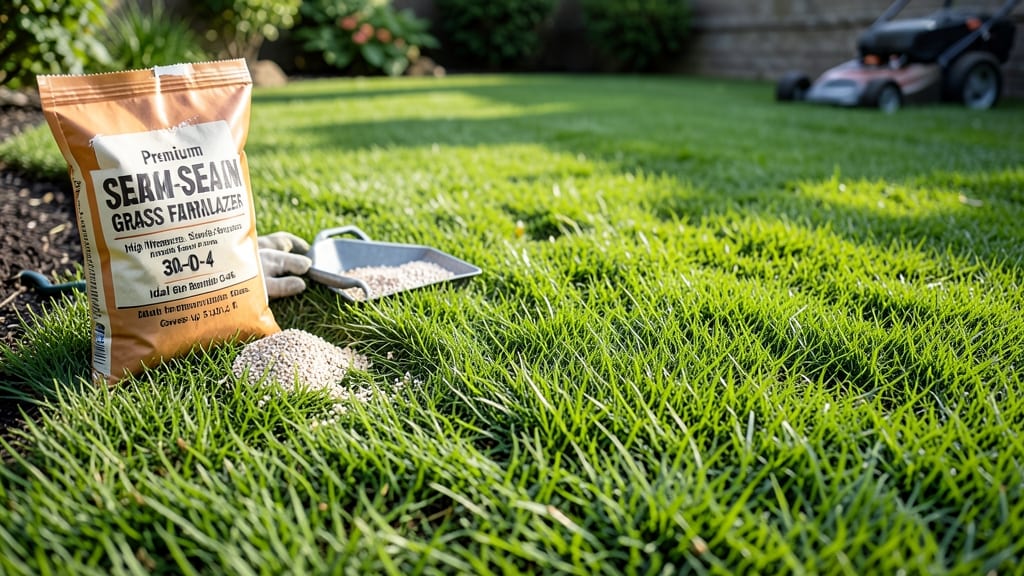
Fertilizing your lawn in Texas at the right time means the difference between a vibrant green carpet and a struggling patch of dirt — and the heat-resistant schedule varies wildly from North to South Texas.
Picture this: You’ve just spent hours mowing, edging, and even aerating your 🌱 Lawn Grass (Bermuda, St. Augustine, Zoysia, etc.), only to watch it turn yellow by summer. The problem?
Most Texas gardeners fertilize at the wrong time, often during peak heat or drought, which burns roots instead of feeding them. The secret isn’t just when—it’s how to adjust for your grass type and climate zone.
Cool-season grasses like fescue need a spring kickstart, while warm-season varieties like Bermuda thrive with fall feedings to prep for winter dormancy. Without this timing, you’re basically watering a plant in the desert—effort wasted.
Below, I’ll break down the exact fertilization windows for Texas, plus how to read your soil’s signals before reaching for the bag.
You’ll leave here knowing not just when to fertilize, but which products work best for your grass type, how to avoid common mistakes (like overdoing it in summer), and even how to test your soil for free. Let’s get that Texas lawn looking like a postcard year-round.
Texas lawn fertilization schedule by season: heat-resistant timing for cool-season vs. warm-season grasses
Texas lawns demand a precise fertilization schedule to survive extreme heat and drought. Warm-season grasses like Bermuda and St. Augustine thrive in summer, while cool-season grasses like fescue need spring/fall feeding. North Texas (cooler winters) and South Texas (longer growing seasons) require different timing—let’s break it down month by month.
Your grass type dictates the fertilization window. Warm-season grasses need spring and fall feeds, while cool-season grasses peak in early spring and late summer. South Texas can extend warm-season feeding into December, but North Texas must pause by November to avoid winter stress.
Let’s map out the exact timing for each region.
📅 Key Rule: Never fertilize when grass is dormant or under drought stress. Texas summers can burn lawns—always water deeply 24-48 hours before applying fertilizer. Skip winter feeds entirely for warm-season grasses; they’ll brown naturally but recover in spring.
| Month | Warm-Season Grasses (Bermuda, St. Augustine, Zoysia) | Cool-Season Grasses (Fescue, Ryegrass) | North Texas Notes | South Texas Notes |
|---|---|---|---|---|
| January | Dormant (skip) | Light feed (high nitrogen) | Apply if temps >40°F | Skip (warm-season dormant) |
| February | Pre-emergent (if needed) | Full feed (16-4-8) | Avoid if frost risk | Light feed (warm up) |
| March | First feed (16-4-8) | Light feed (transition) | Critical for green-up | Full feed (soil warm) |
| April | Second feed (slow-release) | Dormant (skip) | Avoid if drought | Monthly feeds |
| May | Light feed (avoid heat) | Dormant (skip) | Water deeply first | Light feed (early AM) |
| June | Skip (peak heat) | Dormant (skip) | Grass goes dormant | Skip (monsoon prep) |
| July | Skip (drought risk) | Dormant (skip) | Focus on irrigation | Skip (high temps) |
| August | Light feed (post-monsoon) | Dormant (skip) | Test soil moisture | Light feed (cooling) |
| September | Full feed (root strength) | Light feed (warm up) | 6-8 weeks before frost | Monthly feeds |
| October | Final feed (16-4-8) | Full feed (10-10-10) | Critical for winter prep | Light feed (South) |
| November | Dormant (skip) | Light feed (North only) | Pause by Nov 15 | Skip (warm-season) |
| December | Dormant (skip) |