
Fertilization
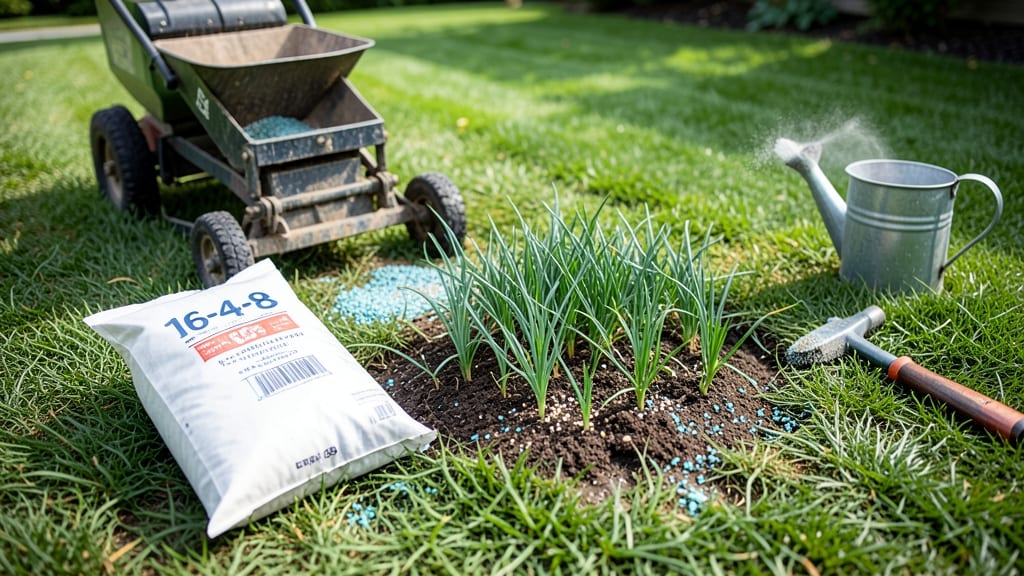
Fertilizing lawn after overseeding is the critical step that determines whether your new grass thrives or fizzles out before it takes hold.
Picture this: you’ve just spread fresh 🌱 lawn grass seeds, watered them carefully, and waited patiently for those first green shoots. But then—you rush to fertilize too soon, and suddenly, your seedlings look more like crispy toast than a lush lawn.
That’s the risk when you don’t wait for the right moment.
The golden window for fertilizing after overseeding is 4–6 weeks—once the new grass has rooted enough to handle nutrients without burning. But timing isn’t one-size-fits-all: cool-season grasses in Zone 6a need a different approach than warm-season varieties, and a late-spring overseed in Zone 6a demands extra caution.
In this guide, I’ll break down the exact timing, the right fertilizer to use, and how to spot when you’ve waited too long. By the end, you’ll know exactly when to feed your lawn without risking those delicate seedlings.
Critical fertilization timeline after overseeding for grass seed survival
Timing your first fertilization after overseeding is one of the most critical decisions for new grass survival. Applying fertilizer too soon can burn delicate seedlings, while waiting too long may leave your lawn vulnerable to weeds and poor establishment.
The 4-6 week window after germination is your sweet spot for most cool-season grasses like fescue and ryegrass.
This timeline balances root development and nutrient needs without overwhelming young plants. For warm-season grasses like Bermuda or Zoysia, you'll want to adjust slightly—typically waiting 6-8 weeks—since they germinate slower in cooler temperatures. Always check your seed packet for specific recommendations, as some varieties have unique needs.
Before we dive into the exact timing, here's what you need to know: Seedlings need roots first. The first 3-4 weeks after germination are all about establishing a strong root system that can support future growth.
Fertilizer applied too early can disrupt this process by encouraging top growth at the expense of roots, leaving your lawn weak and prone to disease.
Step-by-Step Fertilization Timeline
- 1 Week 0-2 (Germination Phase): No fertilizer. Focus on keeping soil consistently moist (about 1 inch per week) and protecting new sprouts from foot traffic. This is when roots begin forming, and they need all their energy.
- 2 Week 3-4 (Early Establishment): Light soil test. If your soil lacks nutrients, apply a low-nitrogen starter fertilizer (5-10-10 ratio) only if seedlings are at least 2 inches tall and have 3-4 leaves per clump. Avoid granular fertilizers—opt for liquid or slow-release options.
- 3 Week 4-6 (Golden Window): First full fertilization. This is your critical window for cool-season grasses. Use a balanced fertilizer (e.g., 24-0-6 or 30-0-4) to encourage root growth without burning seedlings. Apply in early morning or evening to avoid midday heat stress.
- 4 Week 6-8 (Post-Establishment): Second application. If your grass shows signs of slow growth or pale color, apply a low-nitrogen fertilizer (e.g., 20-0-10) to support root depth. Avoid high-nitrogen blends, which can promote top growth at the expense of roots.
- 5 Week 8+ (Mature Phase): Regular maintenance. Once your new grass is fully established (typically 8-12 weeks), switch to a slow-release fertilizer every 6-8 weeks. This prevents nutrient spikes that can harm your lawn's long-term health.
Pro Tip: Always water deeply after fertilizing to help nutrients reach the roots. Shallow watering can leave fertilizer on the surface, burning seedlings and wasting product. 💧
Regional adjustments matter! In cooler climates (USDA Zones 3-5), aim for the earlier end of the 4-6 week window since grasses grow slower. For warmer zones (Zones 7-10), extend the wait to 6-8 weeks to avoid stressing seedlings during heatwaves.
Always monitor your lawn's progress—if you see slow growth or yellowing, it might be time to adjust your timeline.
One common mistake is rushing fertilization to see "quick results." But remember, roots are the foundation of a healthy lawn. Skipping the early weeks without fertilizer isn't ideal either—your seedlings need some nutrients to thrive, but the timing must be precise.
Think of it like teaching a child to walk: you don't hand them a bike on day one, but you also don't keep them in a playpen forever.
For organic gardeners, consider compost tea or a low-dose fish emulsion instead of synthetic fertilizers. These options provide gentle nutrition without the risk of burning. Just dilute them 50% stronger than recommended to protect young seedlings.
Organic fertilizers also improve soil structure over time, which is a long-term win for your lawn's health.
After your first fertilization, keep an eye out for weed competition. Weeds thrive in lawns with uneven
How to choose the right fertilizer type and application method
After overseeding, choosing the wrong fertilizer type or application method can stress delicate seedlings. Starter fertilizers with higher phosphorus (like 10-20-10) help root development, while slow-release options (like organic compost) prevent nutrient spikes. The key is matching the fertilizer to your grass type and growth stage.
For cool-season grasses (like fescue or ryegrass), wait 4-6 weeks after overseeding before applying any fertilizer. Warm-season grasses (like Bermuda) need an even longer delay of 6-8 weeks. This timing ensures seedlings aren’t burned by high-nitrogen products too soon.
Here’s how the two fertilizer types compare for post-overseeding care:
Application methods also matter—broadcast spreaders distribute fertilizer evenly but may waste product on non-target areas. A drop spreader delivers precise amounts directly to the lawn, reducing runoff and ensuring seedlings get consistent nutrients without overloading.
For delicate seedlings, always apply fertilizer in the early morning when temperatures are cooler. This reduces the risk of fertilizer burn, which appears as brown, crispy patches. Water lightly after application to help nutrients penetrate the soil without disturbing new grass roots.
If you’re unsure, start with a half-strength application of a slow-release fertilizer like compost or a low-nitrogen blend (e.g., 12-4-8). Monitor your lawn for yellowing or wilting—these are signs you’re fertilizing too soon or too heavily. Adjust future applications based on your grass’s response.