
Fertilization
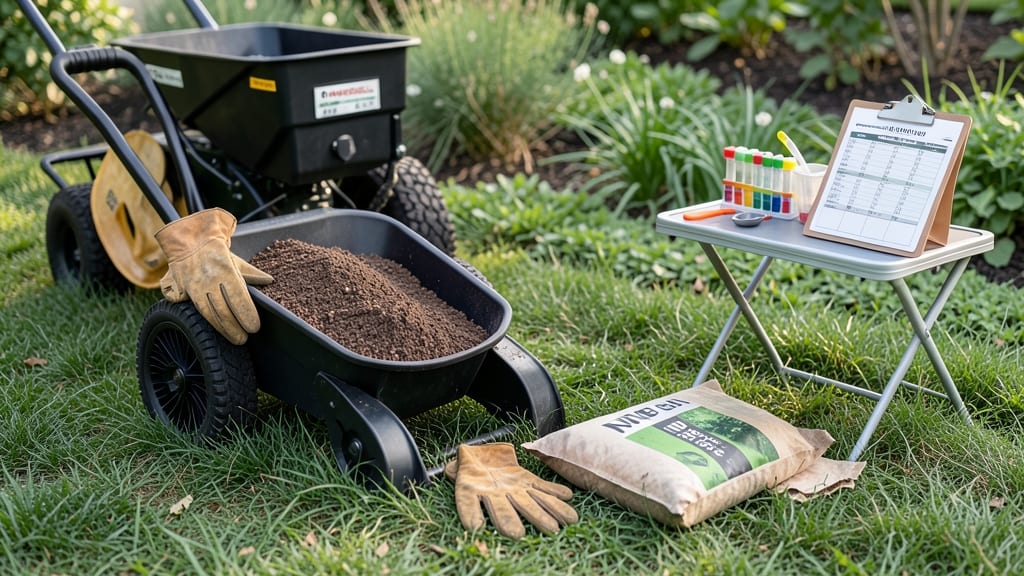
Fertilizing your lawn at the right time can make the difference between a thin, patchy yard and a deep-green, resilient carpet that stands up to foot traffic and drought.
A well-timed fertilization schedule can transform your lawn from patchy and weak to lush and vibrant—but knowing when to fertilize is just as important as how. Too early, and you risk burning tender grass; too late, and you miss the critical growth windows.
For Lawn Grass 🌱 in Zone 6a, timing isn’t just about the calendar—it’s about soil temperature, grass type, and even the weather forecast.
Spring and fall are the two golden windows for feeding your lawn, but the exact dates depend on whether you’ve got cool-season or warm-season grass.
Skip the guesswork: I’ll walk you through the science-backed schedule, including when to start in early spring (before the last frost) and how to give your grass a final boost in late summer for winter resilience.
Ready to ditch the trial-and-error? You’ll learn the exact months to fertilize, how to read your grass’s growth cues, and what to avoid—like overdoing it before winter dormancy. Let’s get that lawn looking its best, year after year.
Spring fertilization schedule: jumpstart growth with the right timing
Spring is the perfect time to give your lawn the nutrients it needs to burst into vibrant growth—but timing is everything. Applying fertilizer too early can waste nutrients, while waiting too long misses critical growth windows.
The key is understanding soil temperatures, grass seed germination, and regional climate patterns to align fertilization with your lawn's natural growth cycle.
For most lawns, the optimal spring fertilization window opens when soil temperatures reach 55°F (13°C) and remains consistent for at least a week. This typically falls between early March and mid-April in temperate climates, but regional variations matter.
Northern regions may need to wait until late April, while Southern lawns can start as early as February. Aligning with these cues ensures nutrients are available when grass roots are actively growing.
Here's where many gardeners go wrong: assuming a one-size-fits-all approach. Cool-season grasses (like Kentucky bluegrass and fescue) need their first feeding 4-6 weeks before peak growth, while warm-season grasses (like Bermuda and Zoysia) shouldn't be fertilized until soil temps hit 65°F (18°C).
Misaligning timing can lead to nutrient runoff or weak growth.
🌱
| Fertilization Type | Best Time to Apply | Soil Temp Requirement | Grass Type | Key Benefit |
|---|---|---|---|---|
| Pre-Emergent | Early Spring (Before Weeds Sprout) | 45-55°F (7-13°C) | All Types | Prevents crabgrass |
| Post-Emergent (High Nitrogen) | Early Spring (After Last Frost) | 55-65°F (13-18°C) | Cool-Season Grasses | Stimulates root growth |
| Starter Fertilizer | At Seed Germination | 60-70°F (16-21°C) | New Lawns | Encourages seedling vigor |
| Slow-Release Organic | Late Spring (May-June) | 65°F+ (18°C+) | Warm-Season Grasses | Sustains summer growth |
When fertilizing in spring, I always prioritize root development over quick green-up. A high-nitrogen fertilizer (like 30-0-4) applied when soil temps hit 55°F (13°C) gives cool-season grasses the boost they need to establish deep roots before summer heat.
For warm-season grasses, wait until soil temps reach 65°F (18°C)—this prevents nutrient waste and aligns with their natural growth cycle.
Pro tip: Use a soil thermometer to track temperatures at 4-inch depth. This small tool saves you from guessing and ensures you fertilize at the perfect moment.
I've seen lawns where timing off by just 1-2 weeks resulted in patchy growth, while precise timing led to uniform, vibrant turf within weeks.
Regional adjustments are critical. In Northern climates (USDA Zones 3-5), aim for late April fertilization after the last frost date. Southern lawns (Zones 7-9) can start as early as February, but avoid fertilizing if frost is still possible.
Always check your local extension service for tailored recommendations—they provide frost date averages that align with your specific microclimate.
Another common mistake is fertilizing right after overseeding. New grass seeds need 4-6 weeks to germinate before applying fertilizer. Use a starter fertilizer (high in phosphorus) at planting, then switch to nitrogen-focused feeds once seedlings emerge. This two-step approach prevents nutrient burn while supporting root establishment.
For established lawns, I recommend a two-step spring feeding schedule: first application in early spring (when soil hits 55°F) with a high-nitrogen fertilizer, followed by a second application in late spring (May-June) using a slow-release formula.
This approach prevents nutrient runoff during heavy rains while maintaining steady growth through summer.
🌿
Finally, never underestimate the power of organic matter. Before fertilizing, test your soil's pH and organic content. Amending with compost in early spring improves nutrient uptake and reduces the need for synthetic fertilizers. I've found that lawns with 3-5% organic matter
Fall fertilization benefits: why late-season feeding strengthens roots for winter
Fall fertilization is one of the most underrated lawn care strategies—but it’s also one of the most effective. While spring feeding focuses on top growth, fall fertilization targets root development, helping your grass survive harsh winters and bounce back stronger in spring.
Research shows that grass roots grow 60% more when fertilized in late summer or early fall, thanks to cooler temperatures and reduced stress on the plant.
Many gardeners skip fall feeding because they assume the grass is dormant, but that’s a myth. Cool-season grasses like Kentucky bluegrass and fescue stay active until the first hard frost, while warm-season grasses like Bermuda and Zoysia benefit from early fall feeding to harden off before winter.
The key is timing—applying fertilizer too late can lead to winter burn or nutrient runoff.
🌱 Fall Fertilization Timeline
One of the biggest mistakes homeowners make is over-fertilizing in fall. Too much nitrogen late in the season can lead to excessive top growth, which weakens roots and makes grass more susceptible to winter damage.
Instead, opt for a balanced fertilizer with higher phosphorus and potassium levels. Phosphorus promotes root growth, while potassium helps the grass resist cold stress and disease.
Fall fertilization also reduces the risk of fungal diseases like brown patch and dollar spot. Healthy roots create a stronger microbiome in the soil, outcompeting harmful pathogens. Additionally, well-fed grass recovers faster from foot traffic and environmental stress, giving it a head start in spring.
Think of it as giving your lawn a nutritional insurance policy for the off-season.
To avoid common pitfalls, always apply fertilizer when the soil is still warm (at least 50°F) but before temperatures drop below 40°F. Water thoroughly after application to help nutrients penetrate the soil, and avoid fertilizing if frost is forecasted within 48 hours.
For best results, combine fall feeding with aeration to improve nutrient absorption and root penetration.
Don’t let the cooler weather fool you—fall is the perfect time to invest in your lawn’s future. A single application in late summer or early fall can mean the difference between a thin, patchy lawn next spring and a vibrant, resilient turf that outshines the neighborhood.
Start with the right timing, use the right fertilizer, and watch your grass thrive year-round. 🌿