
Lawn
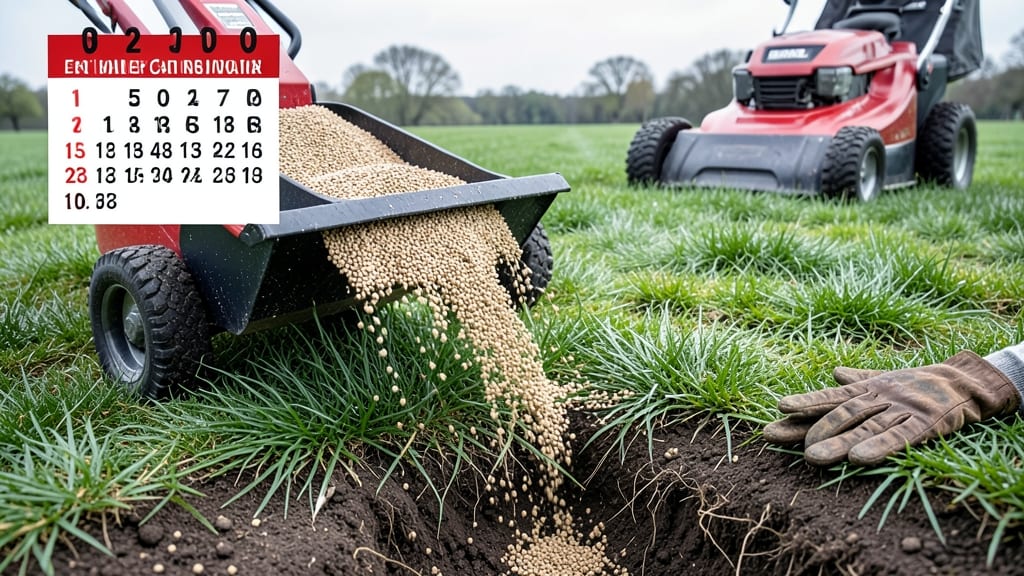
You should fertilize your lawn in early spring, late spring, summer, and fall to keep it thriving all season long 🌱 — but timing is everything, and most people get it wrong.
Picture this: you’ve just spent $50 on fertilizer, spread it carefully, and watered it in—only to watch your lawn turn brown instead of green. That’s what happens when you fertilize at the wrong time, especially if you don’t know your grass type.
Cool-season grasses like Kentucky Bluegrass need a boost in early spring to wake up from dormancy, while warm-season grasses like Bermuda thrive with summer feeding. Missing these windows means wasted money and a lawn that struggles to stay vibrant.
In this guide, I’ll break down the best months to fertilize by grass type, how to adjust for your climate, and the 5 mistakes that ruin even the best-laid plans—so you can finally get the lush lawn you’ve been dreaming of.
Best fertilization months for cool-season vs. warm-season grasses
Fertilizing your lawn at the right time ensures thicker growth, deeper roots, and better drought resistance. But timing matters—cool-season grasses like Kentucky Bluegrass and Fescue thrive with early spring and fall feedings, while warm-season grasses like Bermuda and Zoysia need summer fertilization.
Missing the window can lead to wasted fertilizer or even lawn damage. Let’s break down the best months for each type, plus how to adjust for your USDA zone.
Cool-season grasses dominate northern lawns, where winters are harsh. These grasses grow best when temperatures are 50–75°F, so fertilizing in early spring (March–April) and late summer/fall (August–October) gives them the nutrients they need to recover from winter and strengthen roots before dormancy.
Meanwhile, warm-season grasses in southern climates prefer 65–95°F and should be fed in late spring (May–June) and early summer (July–August) to handle heat stress.
Here’s a quick comparison to help you pick the right schedule for your lawn type and region:
For cool-season grasses, the first feeding in early spring (March–April) jumpstarts growth after winter dormancy. This is your "wake-up call" for the lawn, encouraging new blade production and root development. A second feeding in late summer/fall (August–October) helps grasses store nutrients for winter survival.
In USDA Zones 3–6, aim for 4 feedings per year, spaced 6–8 weeks apart during active growth.
Warm-season grasses, like Bermuda or Zoysia, go dormant in winter but need summer feeding to stay green and resilient. Start with a light feed in late spring (May–June) as temps rise, then apply a heavier dose in early summer (July–August) to support heat tolerance.
In USDA Zones 7–10, you’ll typically fertilize 3–4 times per year, avoiding winter months entirely. St. Augustine, common in Zones 8–10, benefits from monthly light feedings during its growing season.
Regional adjustments matter! In northern climates (Zones 3–6), cool-season grasses may need a fifth feeding in late fall (November) to boost winter hardiness. Conversely, in southern climates (Zones 7–10)skip winter fertilization entirely and focus on early spring to recover from dormancy.
Always check your local frost dates—fertilizing too early in cold climates can waste nutrients, while fertilizing too late in warm climates can encourage weak growth before winter.
Pro tip: Pair fertilization with soil testing to avoid overfeeding. A pH imbalance or nutrient deficiency can make your lawn less responsive to fertilizer. For example, Fescue thrives in pH 6.0–7.0, while Bermuda prefers 6.0–6.5.
Adjust your NPK ratio (Nitrogen-Phosphorus-Potassium) based on your grass’s needs—high nitrogen (30-0-4) for leafy growth, balanced (16-4-8) for root strength.
Timing isn’t just about months—it’s also about weather conditions. Fertilize when soil temps are above 50°F for cool-season grasses or 65°F+ for warm-season types. Avoid fertilizing before heavy rain or extreme heat, as this can leach nutrients or burn grass.
Early morning applications (before 10 AM) work best, allowing fertilizer to absorb into the soil without evaporating in the sun.
Remember, less is often more—over-fertilizing can pollute waterways, burn your lawn, or attract pests. Follow the label rates and consider slow-release fertilizers for steady nutrient delivery. With the right timing, your lawn will stay lush, green, and resilient all year round. 🌱
How to adjust fertilization timing by season for year-round lawn health
Getting your lawn fertilization schedule right means more than just grabbing a bag of fertilizer and sprinkling it randomly. The truth is, seasonal timing determines how well your grass absorbs nutrients and grows.
For example, cool-season grasses like Kentucky Bluegrass need their first feeding in early spring to wake up from dormancy, while warm-season grasses like Bermuda thrive with summer fertilizing. Missing these windows can leave your lawn weak, patchy, or even invite weeds.
I’ve learned the hard way that over-fertilizing in summer can burn grass blades under the sun, while skipping fall fertilization leaves roots vulnerable to winter stress. The key is balancing growth phases with environmental conditions—like avoiding heat stress or drought periods.
Let’s break down the perfect schedule to keep your lawn lush all year.
- 1
- 2
- 3
- 4
- 5
Apply a high-nitrogen "wake-up" feed when soil temps reach 50°F. This jumpstarts growth after winter dormancy.
Boost growth with a balanced fertilizer (e.g., 24-0-5) after mowing. Avoid heavy feeds if drought is forecasted.
Use light, slow-release fertilizer to prevent heat stress. Water deeply before and after applying.
Strengthen roots with a high-potassium feed (e.g., 10-0-20) 6-8 weeks before first frost.
Skip fertilizing entirely—grass is dormant. Focus on clearing snow to prevent smothering.
One trick I swear by is testing soil pH before fertilizing. If your lawn shows yellowing patches or slow growth between feedings, it might need lime (for acidic soil) or sulfur (for alkaline soil).
For example, Kentucky Bluegrass prefers pH 6.0-7.5, while Zoysia thrives in slightly acidic soil (pH 5.8-6.2). Adjusting pH first can make your fertilizer up to 30% more effective.
Pro tip: Always fertilize in the early morning to avoid leaf burn from afternoon sun. I also recommend using a slow-release fertilizer in summer to prevent nutrient runoff during rainstorms. This saves money and protects local waterways from nitrate pollution.
For instance, a 30-0-4 ratio works well for cool-season grasses in spring, while a 16-4-8 blend suits warm-season grasses in late summer.
Watch for these nutrient deficiency signs between feedings: purple stems (phosphorus deficiency), yellow leaves (nitrogen deficiency), or thin, weak growth (potassium deficiency). If you spot these, a targeted feed or soil amendment can turn things around quickly.
For example, I once had a brown patch on my Fescue lawn—turns out it needed iron. A simple chelated iron spray fixed it in two weeks.
Remember, your lawn’s needs change with the seasons. By following this schedule and adjusting for your local climate, you’ll have a lawn that stays green, dense, and resilient year-round—without wasting fertilizer or harming the environment.
Start with early spring, and your grass will thank you for the rest of the year. 🌱