
Lawn
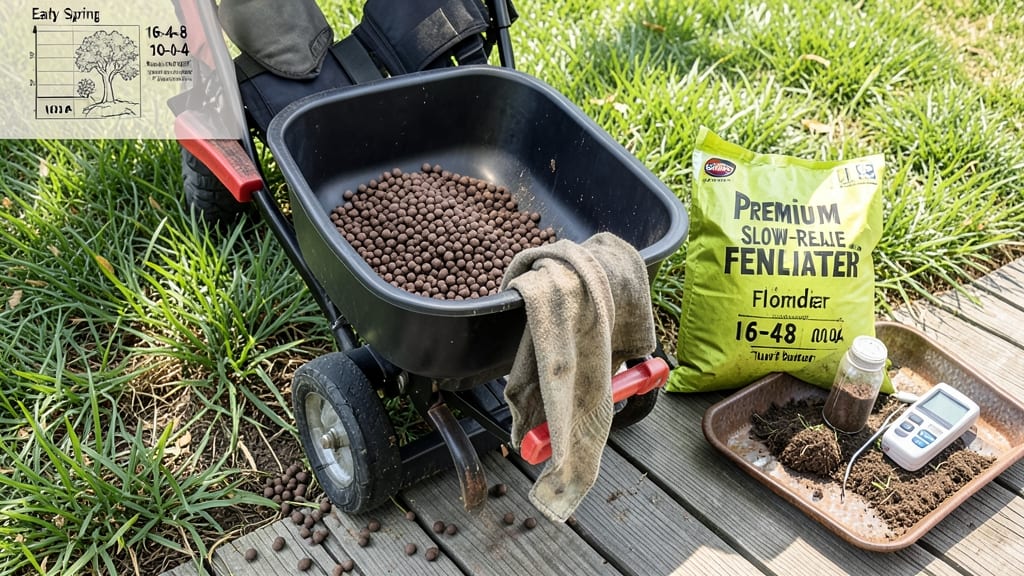
Fertilizing your lawn in Florida at the right time can mean the difference between a lush, green carpet and a struggling patch of brown—especially when summer heat and humidity are always lurking.
Picture this: you’ve just spent the weekend mowing, and by midday, the grass looks like it’s wilting under a magnifying glass. That’s the reality for many Florida homeowners who fertilize at the wrong time, turning their yard into a crispy wasteland before the season even peaks.
The key? Timing your feedings to match Florida’s climate zones and grass types—because what works in North Florida won’t cut it in the Miami heat.
Most lawn grasses in Florida thrive with spring and fall fertilization, but the exact windows depend on whether you’ve got Bermuda, St. Augustine, or another variety. Skip summer applications entirely—unless you’re using slow-release fertilizer—and you’ll avoid burning your grass or wasting nutrients in the relentless rain.
In this guide, I’ll break down the ideal months for feeding your lawn, how to adjust for Florida’s microclimates, and the one mistake that turns green grass yellow faster than a Florida sunset. Let’s get your yard growing strong all year.
Optimal Florida fertilization schedule: spring vs. fall timing explained
Florida’s unique climate—with its humid heat, frequent rains, and microclimates—means fertilizing your lawn at the wrong time can backfire. Unlike cooler states, Florida’s warm winters and long growing season demand precision timing to avoid burned grass, wasted nutrients, or even algae blooms from runoff.
The key? Focus on spring (March-May) and fall (September-November) when conditions are ideal for nutrient absorption.
Science backs this up: Grass roots grow most actively when soil temperatures hover between 65°F and 85°F. In Florida, this happens naturally in spring and fall, aligning with the dormancy periods of warm-season grasses like Bermuda and Zoysia.
Summer’s extreme heat forces grass into dormancy, making fertilization a waste—nutrients just leach away or burn tender blades. Meanwhile, winter’s cooler temps slow growth, so feeding then is inefficient.
Here’s the catch: Florida isn’t one-size-fits-all. North Florida (think Gainesville or Jacksonville) has cooler winters and earlier springs, while South Florida (like Miami or Fort Lauderdale) stays warm year-round. This means your optimal fertilization window might shift by 2-4 weeks depending on your location.
For example, St. Augustine grass in Tallahassee thrives with an April feed, while the same grass in West Palm Beach benefits from a March application.
Rainfall patterns also play a critical role. Florida’s wet season (June-October) can dilute fertilizers or trigger nutrient runoff into waterways. That’s why fall fertilization (September-November) is golden: it gives grass time to absorb nutrients before the dry season sets in, while avoiding the monsoon risks of summer.
Let’s break it down with a clear timeline tailored to Florida’s two main regions. The table below shows the best months, soil temp thresholds, and grass types to target for peak results.
| Season | Optimal Months | Soil Temp Range (°F) | Grass Types | Key Benefits |
|---|---|---|---|---|
| Spring | March–May (North FL) February–April (South FL) |
65–85°F | Bermuda, Zoysia, St. Augustine, Centipede | Encourages root growth, green-up, and disease resistance before summer heat. |
| Summer | June–August | Above 85°F | Avoid fertilizing (risk of burn and weed proliferation) | Light feeding only with slow-release fertilizers; focus on watering and mowing high. |
| Fall | September–November (North FL) October–December (South FL) |
65–80°F | All warm-season grasses | Strengthens root systems, improves winter hardiness, and reduces weed competition. |
| Winter | December–February | Below 65°F | None (grass growth slows) | Focus on aeration and light mowing; avoid fertilizing. |
Why does spring fertilization work so well? When you feed in March or April, your lawn gets a growth boost just as the rainy season ramps up. This helps grass outcompete weeds and develop deeper roots before the summer drought hits.
For example, Bermuda grass in Orlando can double its root depth with proper spring feeding, making it far more drought-resistant.
Fall is equally critical because it’s when grass prepares for winter. A September or October feed (depending on your region) ensures your lawn has the energy reserves to stay green longer and recover faster in spring.
In South Florida, where winters are mild, a late fall feed (November-December) can even delay dormancy in St. Augustine grass, keeping it lush through the cooler months.
Here’s a pro tip: Adjust your schedule based on grass type. Centipede grass, for instance, thrives on low-nitrogen feeds and can burn easily, so use a 10-0-10 ratio in spring and skip fall fertilization entirely. Meanwhile, <
How to choose the right fertilizer for Florida’s heat-resistant grasses (Bermuda, St. augustine, Centipede, Zoysia)
Florida’s heat-resistant grasses like Bermuda and Centipede thrive under the sun but need the right fertilizer to handle our extreme climate. Choosing the wrong type can lead to burned grass or wasted nutrients.
The key lies in understanding NPK ratios, release types, and organic vs. synthetic options tailored to your grass variety.
For Florida lawns, slow-release fertilizers are often the best choice because they provide steady nutrition without overwhelming your grass. Quick-release options can cause fertilizer burn in our intense heat. Additionally, organic fertilizers like compost or manure can improve soil health over time, while synthetic blends offer precise nutrient control.
Here’s how to match your grass type to the ideal fertilizer for Florida’s climate, including a quick comparison of top options:
Bermuda grass, known for its drought resistance, benefits from a high-nitrogen fertilizer like a 16-4-8 NPK ratio in spring and fall. Meanwhile, St. Augustine, which is more sensitive to heat, thrives with a slow-release organic option to prevent stress. Centipede grass, native to Florida, prefers low-phosphorus fertilizers (like 15-0-15) to avoid overstimulating growth.
For Zoysia grass, a balanced approach works best—use a slow-release fertilizer in early spring and late summer to encourage deep root growth. Always test your soil first (Florida’s sandy soils often need extra phosphorus).
If your soil is already rich, opt for a low-phosphorus blend to avoid runoff into local waterways.
Apply fertilizer in the early morning to avoid fertilizer burn from afternoon heat. Water lightly afterward to help nutrients absorb into the soil. Avoid fertilizing during droughts or heavy rains, as nutrients can wash away or cause algae blooms in nearby water bodies.
Remember, organic options like composted manure or bone meal take longer to break down but improve soil structure over time. Synthetic fertilizers offer faster results but require careful application.
For Florida’s unique climate, a mix of both—like a slow-release synthetic in spring and organic top-dressing in fall—often yields the best results. 🌱