
Lawn
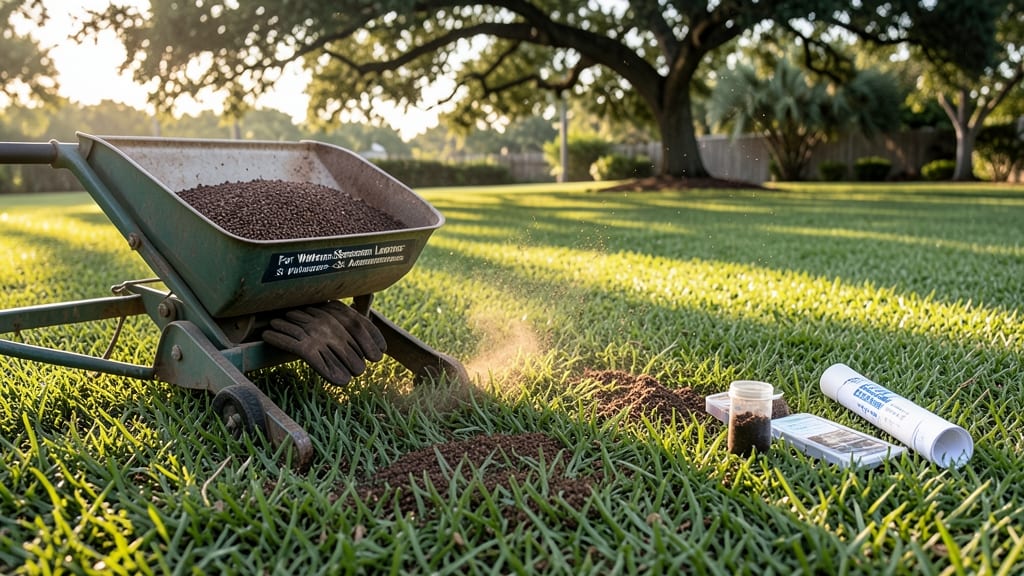
The best time to fertilize your lawn in Florida is during spring (March–May) and fall (September–November), when soil temperatures stay above 65°F but below 85°F for optimal nutrient absorption and root growth. Avoid fertilizing during summer heat or winter dormancy to prevent stress or runoff.
The Florida climate demands precision timing for lawn care, as extreme heat or cold can actually damage grass rather than nourish it. 🔥 Spring fertilization kickstarts growth after winter dormancy, while fall applications help roots harden before winter.
I’ve seen lawns in South Florida thrive when fertilized in early fall—this gives grasses like St. Augustine time to absorb nutrients before the cooler months slow metabolism.
What’s key is matching your grass type to the season: warm-season grasses (like bahia) need spring feeding, while cool-season types (like ryegrass) respond better to fall treatments.
For best results, test your soil first—Florida’s sandy soils often need phosphorus adjustments, and over-fertilizing can harm local waterways. Always water after application to activate nutrients, and avoid fertilizing during droughts or heavy rains, which can wash away nutrients before your lawn can use them.
💡 In This Article
- Soil Temperature and Seasonal Growth Cycles in Florida Lawns
- Florida-Specific Fertilizer Application Guide by Grass Type
Soil temperature and seasonal growth cycles in Florida lawns
Florida's warm climate creates a unique window for lawn fertilization, where soil temperatures between 65°F and 85°F trigger peak root activity. This range activates microbial activity in the soil, breaking down fertilizer nutrients into forms grass can absorb—like nitrogen converting to nitrates.
Below 65°F, grass growth slows dramatically, and nutrients sit unused, while above 85°F, the heat stresses roots and causes fertilizer burn. 🌱 In South Florida, this ideal temperature zone occurs naturally during spring (March-May) and fall (September-November), aligning with Florida's two primary growing seasons.
The split-season approach works because Florida's warm-season grasses (like St. Augustine and bahia) grow most actively in spring, while cool-season grasses (like ryegrass) thrive in fall. Spring fertilization provides the phosphorus boost needed for new root development after winter dormancy, while fall applications help grass store energy for winter survival.
What's fascinating is how Florida's seasonal rainfall patterns interact with this timing—spring showers help activate nutrients, while fall's moderate rains prevent leaching that would occur during summer downpours.
Here's what happens when you fertilize outside these windows: In summer, the intense 90°F+ soil temperatures cause fertilizer salts to concentrate near the surface, burning grass blades. In winter, grass goes semi-dormant, and any applied nutrients simply wash away with Florida's occasional cold fronts.
I've seen lawns in Central Florida completely recover after proper fall fertilization, with deep green growth appearing within 3-4 weeks as roots access stored nutrients. The key is matching your grass type to these seasonal cues.
Consider this comparison: Warm-season grasses like centipede grass grow aggressively in spring but go dormant in winter, while cool-season grasses like tall fescue grow in fall and winter but struggle in summer heat.
This is why Florida lawn care professionals recommend different fertilizer blends for each season—spring formulations emphasize quick-release nitrogen for top growth, while fall blends focus on slow-release nutrients for root development.
The 65°F-85°F soil temperature range isn't just a number; it's the biological sweet spot where grass metabolism and microbial activity align perfectly for nutrient uptake.
For practical application, use a soil thermometer to verify temperatures—Florida's microclimates can vary dramatically even within short distances. I've found that coastal areas often hit ideal temperatures earlier in spring than inland regions.
The humidity also plays a role: Florida's 70-80% relative humidity helps maintain soil moisture, but too much rain can dilute fertilizer concentrations. Always apply fertilizer in the morning to allow 4-6 hours of dry time before rain, giving nutrients time to penetrate the soil.
One advanced technique is called "split applications"—dividing your spring fertilizer into two doses, 4-6 weeks apart, to match the grass's growth rate. This prevents over-application and reduces runoff risks during Florida's unpredictable rain patterns.
The science shows that grass roots grow most actively when soil temperatures are consistently in that 65°F-85°F range, which is why timing is everything in Florida's humid subtropical climate. 💫