
Lawn
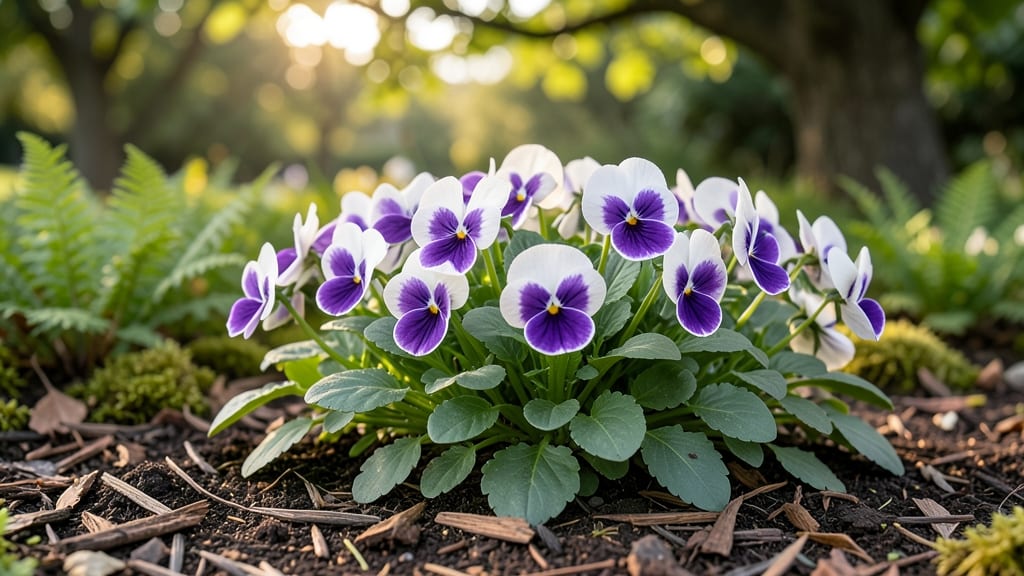
A lawn filled with small white and purple flowers could be your new favorite look—soft, colorful, and effortless. ✨ These delicate blooms—like sweet alyssum or creeping phlox—turn ordinary yards into pollinator paradises while requiring almost no maintenance.
They spill over borders, fill gaps between pavers, and even thrive in lawns where grass struggles.
The best part? They bloom from spring until frost, creating a soft, cloud-like effect that contrasts beautifully with green grass. Sweet alyssum stays compact at just 2-4 inches tall, while creeping phlox spreads gently, filling in thin spots without taking over.
Both attract bees, butterflies, and even hummingbirds—making your yard a mini wildlife haven.
Imagine stepping onto a lawn that stays green but adds months of color without extra work. These flowers handle foot traffic better than many ground covers, and their delicate petals create a dreamy, cottage-garden feel. Perfect for borders, pathways, or even replacing patches of struggling grass.
Whether you want a low-maintenance border or a pollinator-friendly lawn, these tiny bloomers deliver big visual impact with almost zero effort. Let’s pick the perfect variety for your space and sunlight!
Why it happens
Those charming clusters of tiny white and purple flowers popping up in your lawn aren’t just a surprise—they’re often a sign of nature reclaiming its space. While they may look pretty, understanding why they appear helps you decide whether to embrace them or remove them.
Here’s a breakdown of the most common culprits and their scientific backstories:
🌱 Seed Spread from Nearby Plants
One of the most likely reasons for these flowers is wind or animal-assisted seed dispersal from nearby plants. Many wildflowers, like Tradescantia (Spiderwort) or Viola (Violets), produce lightweight seeds that hitch rides on breezes or cling to fur, shoes, or tools.
Once deposited in your lawn, they germinate when conditions are right—often in thin grass or bare soil where sunlight reaches the seed.
- How it happens: Seeds land in cracks, bare patches, or areas with poor grass density, where they outcompete turfgrass for nutrients.
- Science note: These plants thrive in disturbed ecosystems (like lawns with weak grass) because they’ve evolved to fill gaps quickly.
- Actionable tip: If you spot them early, hand-pull before seeds set (💡 Pro tip: Wear gloves—some, like Oxalis, have irritating sap!).
🌧️ Favorable Growing Conditions
Lawns with moist, well-drained soil and partial shade create a perfect haven for these flowers. Many wild bloomers, such as Ajuga (Bugleweed) or Lamium (Dead Nettle), prefer moderate water availability and lower light levels than thick turfgrass. If your lawn has:
- Thin or patchy grass (from drought, foot traffic, or poor soil)
- Shady spots under trees or fences
- Recent soil disturbances (like aeration or topdressing)
…you’ve essentially rolled out the welcome mat for these volunteers. Overwatering can also encourage them by leaching nutrients away from grass roots, giving wildflowers an edge.
🌿 Dormant Seeds in Soil
Some seeds lie dormant in your soil for years—waiting for the right trigger to sprout. A heavy rain, temperature shift, or even lawn renovations can break their slumber.
Plants like Dandelions (yes, they’re flowers too!) or Creeping Charlie have seeds that can remain viable for decades in the seed bank. Once activated, they germinate rapidly, especially if:
- Your lawn has compacted soil (reducing grass root depth)
- You’ve recently tilled or aerated (exposing seeds to light and air)
- There’s low competition from grass (e.g., after herbicide use or disease)
Fun fact: Some seeds, like those of Phlox, use a process called stratification—requiring cold periods to break dormancy. A mild winter might not be enough!
🐝 Pollinator-Friendly Lawn Habits
If you’ve been encouraging pollinators (even unintentionally), your lawn might be a hotspot for beneficial—but sometimes invasive—wildflowers. Native bees and butterflies favor:
- Clover (white/purple blooms, nitrogen-fixing)
- Self-Heal (Prunella vulgaris, purple flowers)
- Black Medic (yellow-white blooms, edible)
While these aren’t typically "problematic," they can spread aggressively if not monitored. The key difference? These are often non-invasive and even ecologically valuable—but they may still outcompete your turfgrass if left unchecked.
🔬 Chemical or Soil Imbalances
Sometimes, lawn care practices create the perfect storm for wildflowers. For example:
| Cause | How It Helps Wildflowers |
|---|---|
| Over-fertilizing with nitrogen | Grass grows thick and fast, but shady or nutrient-poor spots become prime real estate for flowers. |
| Under-fertilizing or poor soil | Weak grass can’t outcompete deep-rooted wildflowers like Oxalis or Chickweed. |
| Herbicide use (selective or past treatments) | Kills grass but leaves soil open for seed germination (especially broadleaf flowers). |
| pH imbalances (acidic or alkaline soil) | Some flowers, like Lamium, thrive in slightly acidic conditions (pH 6.0–7.0), while others prefer alkaline. |
Test your soil! A simple pH kit can reveal if your lawn’s chemistry is favoring flowers over grass. 🌡️ Pro tip: Aim for a pH of 6.0–7.0 for most turfgrasses.
Quick Fixes for Unwanted Blooms
Got those charming but unexpected small white and purple flowers popping up in your lawn? 🌸 While they may add a touch of whimsy, they can also compete with your grass for nutrients and space.
Here’s how to tackle them—whether you want to remove them, manage their spread, or even embrace their beauty in a controlled way.
Not all small white and purple flowers are the same! Before diving in, confirm what you’re dealing with.
Common culprits include: - Clover (tiny white/purple flowers, trifoliate leaves) - Creeping Charlie (Glechoma hederacea) (purple flowers, square stems) - Wild Violet (Viola sororia) (purple/white blooms, heart-shaped leaves) - Chickweed (Stellaria media) (tiny star-shaped white flowers)
Pro Tip: 💡 Snap a photo and compare it to a plant ID app (like PlantNet or Google Lens) or consult your local garden center. Knowing the enemy makes removal easier!
1. Manual Removal: The Gentle Approach
Best for: Small patches, clover, or wild violets. When to do it: Early spring or fall (when plants are actively growing).
Steps: 🔪 Pull by hand (for clover or chickweed):
- Grab the plant at the base and tug gently. For stubborn roots, use a weeding tool or fork to loosen the soil first.
- Avoid breaking off the top—this can leave roots behind, leading to regrowth.
👨🍳 Dig them out (for creeping Charlie or deep-rooted blooms):
- Use a hand trowel or dandelion digger to pry out the entire root system.
- Check for runners (long, creeping stems) and trim them off—even a tiny piece left behind can regrow!
Prevention Tip: ✨ After pulling, rake the area smooth and reseed with grass to fill bare spots.
2. Natural Herbicides: Eco-Friendly Control
Best for: Larger areas or persistent weeds like creeping Charlie. When to apply: Warm, dry days (early morning or late afternoon).
Options:
- Vinegar spray (DIY):
- Mix 1 gallon white vinegar + 1 oz dish soap + 1 cup salt.
- Spray directly on leaves (avoid grass—it’ll kill it too!).
- Reapply every 3–5 days until plants die (usually 1–2 weeks).
- ⚠️ Warning: Vinegar won’t kill roots immediately, so repeat treatments are key.
- Corn gluten meal (pre-emergent):
- Sprinkle 20 lbs per 1,000 sq ft in early spring to prevent seeds from germinating.
- Bonus: It’s organic and feeds your soil!
Pro Tip: 🌡️ For best results, apply herbicides when flowers are in bloom (they’re most vulnerable).
3. Smothering: The Low-Effort Method
Best for: Large patches or lazy gardeners (no judgment!). When to do it: Any time of year (works best in summer heat).
Steps: 🍳 Lay down cardboard or thick layers of newspaper over the area. 🥘 Cover with 2–3 inches of mulch or compost (straw, wood chips, or even grass clippings). 🌱 Wait 4–6 weeks—the plants will decompose under the cover. 🔄 Reseed or replant with grass or desired ground cover afterward.
Prevention Tip: 🎯 To stop regrowth, keep the area mulched for a few months until grass establishes.
1. Strengthen Your Grass
Healthy grass crowds out weeds naturally! Follow these steps:
- Mow high (3–4 inches) to shade out weeds.
- Fertilize properly (test soil first—most lawns need nitrogen).
- Water deeply but infrequently (1 inch per week) to encourage deep roots.
2. Adjust Your Lawn Care Routine
- Aerate annually to improve soil health and reduce weed-friendly compacted soil.
- Overseed thin areas in fall with a dense grass variety (like Kentucky bluegrass or fescue).
- Use pre-emergent herbicides in early spring (like corn gluten meal) to block seeds.
3. Embrace the Blooms (If You’re Feeling Laid-Back!) Not all "weeds" are bad!
If you love the look of small white and purple flowers: - Let clover grow—it fixes nitrogen in the soil and attracts bees. - Plant wildflowers intentionally in a designated garden bed instead of the lawn. - Mow less frequently in one section to create a "wildflower meadow" vibe.
Pro Tip: 🔥 If you choose to keep them, spot-treat only the areas where they’re overrunning.
| Problem | Best Time to Treat | Why? |
|---|---|---|
| Clover or chickweed | Early spring or fall | Plants are actively growing and vulnerable. |
| Creeping Charlie | Spring or early summer | Stops its spread before it takes over. |
| Wild violets | Late winter or early spring | Roots are shallow and easy to pull. |
| Prevention (reseeding) | Late summer or fall | Cooler temps help grass establish. |
- Don’t use chemical herbicides (like glyphosate) unless absolutely necessary—they can harm your lawn and local ecosystems.
- Don’t ignore small patches—they’ll spread fast!
- Don’t assume all small flowers are weeds—some (like self-heal or speedwell) are harmless and even beneficial.
With these solutions, you can reclaim your lawn—or at least enjoy those pretty blooms where you want them. 🌿 Whether you go for a pristine green carpet or a wildflower-friendly lawn, the choice is yours!
Frequently asked questions
Are small white and purple flowers always weeds?
Not necessarily! Many are beneficial plants like clover (which fixes nitrogen in soil) or wild violets (great for pollinators). Some, like sweet alyssum or creeping phlox, are actually intentional ground covers that add beauty to lawns. Only consider them weeds if they're spreading where you don't want them.
Which flowers thrive in full sun vs. partial shade?
For full sun (6+ hours/day): Sweet alyssum, creeping phlox, and white/yarrow varieties handle heat well. In partial shade (3-6 hours/day): Try ajuga (bugleweed) or creeping Charlie (though it can be invasive). Most prefer at least 4 hours of sunlight for consistent blooming.
How do I prevent these flowers from spreading?
For aggressive spreaders like creeping Charlie, pull them early when soil is moist and remove all roots. Use pre-emergent herbicide (like corn gluten meal) in spring, or smother with mulch. For intentional ground covers, mow high (3-4 inches) to keep them contained and healthy.
Can I mix these flowers with grass seed?
Yes! Many of these flowers (like clover or white dutch clover) can be mixed with grass seed for a "no-mow" lawn look. Use a blend of 60% grass seed and 40% wildflower mix for best results. This creates a more resilient lawn that requires less water and attracts pollinators.
What's the best time to plant them?
Early spring (March-April) or early fall (September-October) gives plants time to establish roots before extreme temperatures. For cool-season varieties (like creeping phlox), fall planting is ideal. Warm-season flowers (like sweet alyssum) prefer spring planting.