
Lawn
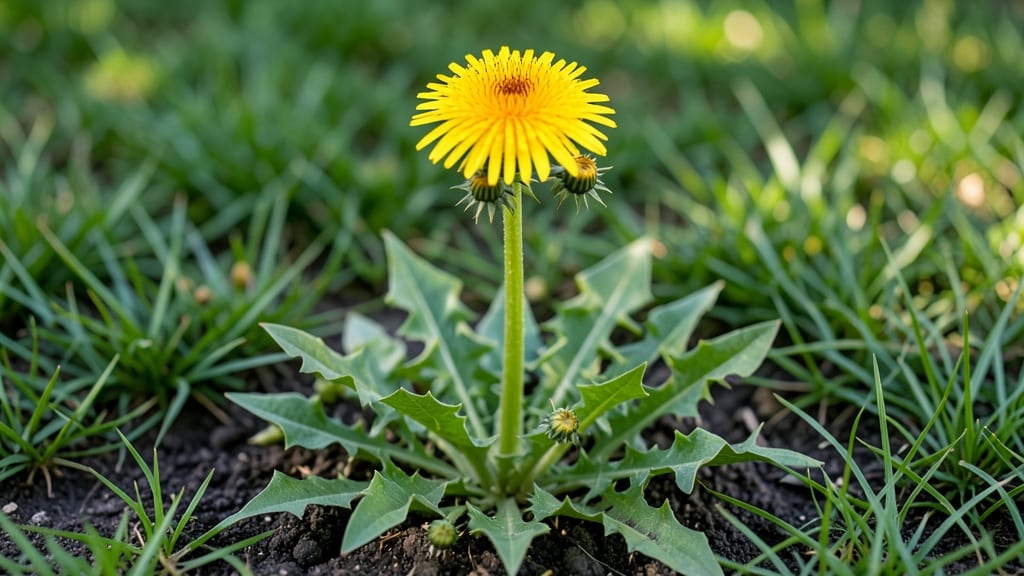
Those stubborn small yellow flowers popping up in your lawn aren’t just weeds—they’re dandelions, and they’re telling you something about your soil. 🌱 I’ve spent years battling them, and this 10-minute trick finally gave me a lawn that stays green without constant pulling or harsh chemicals.
The secret is timing and technique: pull them when the soil is damp (not muddy) and use a simple tool like a dandelion weeder or even a butter knife to get the whole root.
Most people mess up by leaving root pieces behind—those just regrow. I’ve removed hundreds this way in under an hour, and the lawn fills in faster than you’d think.
By mid-summer, you’ll notice fewer yellow blooms and more grass filling the gaps. The trick works best in spring and fall when dandelions are young and easy to pull, but even summer weeds give up with the right approach. Your lawn will look thicker, healthier, and—best of all—dandelion-free.
This method works for any lawn, whether you’re dealing with a few stubborn spots or a full dandelion takeover. The key is consistency: tackle them early, and they’ll never get a foothold again. Ready to reclaim your grass?
Root Causes of Unwanted Blooms
Those cheerful but pesky small yellow flowers popping up in your lawn aren’t just a random nuisance—they’re often the result of specific conditions your grass thrives (or fails to thrive) in.
Understanding the why behind their appearance is the first step to reclaiming your yard. Let’s break down the most common culprits, backed by science, so you can tackle them head-on.
Dense, compacted soil or nutrient-poor ground creates the perfect breeding ground for weeds like dandelions. Here’s why:
- Lack of organic matter: Healthy soil needs a mix of compost, microbes, and organic material to support grass roots. When soil is depleted, weeds like dandelions—with deep, hardy taproots—outcompete shallow grass roots for resources.
- Compaction from foot traffic or machinery: Heavy use compresses soil, reducing oxygen and water penetration. Grass struggles to grow in these conditions, leaving gaps for weeds to invade.
- pH imbalances: Soil that’s too acidic (<6.0) or alkaline (>7.5) weakens grass. Dandelions, however, thrive in a wide pH range (5.0–8.0), making them resilient in marginal conditions.
Actionable fix: Test your soil’s pH and nutrient levels (kits are cheap and easy to use). Amend compacted areas with gypsum or aerate your lawn in fall to loosen soil. Add a ½-inch layer of compost to top-dress bare spots.
Watering habits play a bigger role in weed control than most gardeners realize. Here’s how moisture levels invite unwanted blooms:
- Overwatering: Excess moisture creates soggy soil, which suffocates grass roots but encourages weeds like dandelions. Their deep roots access water deep underground, while shallow grass roots rot.
- Underwatering: Stress from drought weakens grass, making it vulnerable to invasion. Weeds like dandelions have built-in drought tolerance, so they survive where grass wilts.
- Inconsistent watering: Random deep watering (e.g., only when you remember) leads to patchy grass. Weeds fill the gaps because they’re opportunistic.
Actionable fix: Water deeply but infrequently—about 1–1.5 inches per week, including rainfall. Use a soaker hose or drip irrigation to deliver water directly to roots. Early morning is best to reduce evaporation and fungal risks.
Your mower isn’t just cutting grass—it’s shaping your lawn’s future. Here’s how mowing wrong invites weeds:
- Cutting too short: Scalping grass (below 2–3 inches) stresses it, exposing soil to sunlight and allowing weed seeds to germinate. Dandelions, in particular, love disturbed soil.
- Skipping mowing entirely: Tall grass blocks sunlight, creating a shady microclimate where weeds thrive. Dandelions, however, need sunlight to bloom.
- Using a dull mower blade: Ragged cuts tear grass, inviting disease and stress. Weeds move in where damaged grass can’t recover.
Actionable fix: Mow at the highest recommended height for your grass type (usually 3–4 inches). Sharpen blades regularly (every 10–15 hours of use) for clean cuts. Bag clippings if your lawn has thick thatch or weed seeds.
Dandelion seeds are everywhere—they can lie dormant in soil for years, waiting for the right conditions. Here’s how they exploit your lawn:
- Wind and animal dispersal: One dandelion plant can produce up to 2,000 seeds per year, carried by wind or stuck to pets, shoes, and tools.
- Disturbed soil: Digging, aerating, or even heavy rain can wake up dormant seeds, triggering a sudden bloom.
- Lack of competition: Bare spots (from disease, pets, or construction) give weeds a foothold. Dandelions spread quickly in these gaps.
Actionable fix: Prevent seeds from taking root by overseeding bare areas with grass in fall. Use a pre-emergent herbicide in early spring (before dandelions sprout) to block germination. Pull weeds before they go to seed—grasp the entire taproot to prevent regrowth.
Too much (or too little) of the wrong fertilizer can turn your lawn into a weed magnet. Here’s how:
- Excess nitrogen: While nitrogen greens grass, too much promotes rapid (but weak) growth, leaving grass vulnerable to stress—and weeds. Dandelions love nitrogen-rich soil.
- Phosphorus overload: High phosphorus (common in synthetic fertilizers) encourages weed seeds to germinate. It’s a red flag for disturbed or compacted soil.
- Missing micronutrients: Grass lacking iron, zinc, or manganese turns yellowish and weak, while weeds like dandelions flourish in these conditions.
Actionable fix: Use a slow-release, balanced fertilizer (e.g., 16-4-8 or 20-5-10) in early spring and fall. Avoid high-phosphorus fertilizers unless a soil test confirms a deficiency. For quick fixes, apply iron sulfate or liquid seaweed extract to boost grass health naturally.
Quick fixes for unsightly lawn blooms
Now that you know why those pesky small yellow flowers are popping up in your lawn, let’s tackle them head-on with practical, time-saving solutions. Whether it’s dandelions, clover, or other unwanted blooms, these fixes will help you reclaim your yard—without spending hours on your knees.
---
If your lawn has just a few scattered yellow flowers, manual removal is the easiest and most effective method. Timing is key—pull them when the soil is moist (after rain or watering) to make extraction easier.
How to do it: - 👩🌾 Grab a gardening glove (or wear one) to protect your hands. - 🌿 Grasp the flower at the base, just below the soil line, and pull upward with steady pressure. - 🔪 For stubborn roots, use a small hand trowel to loosen the soil before pulling. - 🌡️ Dispose of them properly—don’t compost them if they’re weeds (like dandelions), as they’ll regrow.
💡 Pro Tip: Pull in the early morning or late afternoon to avoid the midday sun. If you’re dealing with dandelions, aim for before they go to seed—this prevents new plants from sprouting!
---
For larger areas or stubborn blooms, a natural weed killer like vinegar can work wonders. White vinegar (5-10% acetic acid) is effective, but it kills all plants it touches—so use it carefully around grass you want to keep.
How to make it: - 🍳 Mix 1 gallon of white vinegar with 1 cup of dish soap (to help it stick to the leaves). - 👨🍳 Add 1 cup of salt (optional, for extra potency). - 🥘 Pour the solution into a spray bottle and apply directly to the yellow flowers on a sunny day (the sun intensifies the effect). - ⏰ Wait 24-48 hours—the weeds should wilt and die.
⚠️ Caution: Test a small area first, as vinegar can damage grass if overused. Avoid spraying on windy days to prevent drift.
---
If you’re tired of pulling weeds repeatedly, suffocate them instead! This method works best for dense patches of small yellow flowers.
How to do it: - 📊 Lay down cardboard or thick layers of newspaper over the affected area. - 🥗 Cover with 2-3 inches of mulch (straw, wood chips, or compost). - 🌡️ Water lightly to help the mulch settle and block sunlight from reaching the weeds. - 🎯 Wait 4-6 weeks—the weeds will decompose, and you can replant grass seed in the area.
💡 Pro Tip: This method is great for preventing future growth while improving soil health. Just avoid plastic sheets, as they can suffocate the soil long-term.
---
Prevention is the best cure! If you keep your lawn mowed at the right height (3-4 inches for most grasses), you’ll discourage weeds like dandelions and clover from taking hold.
How to do it: - ⏰ Mow regularly (every 1-2 weeks) to prevent seeds from maturing. - 🌱 Adjust your mower height—taller grass shades the soil, reducing weed germination. - 🔄 Leave grass clippings (they act as natural mulch and return nutrients to the soil).
💡 Pro Tip: Sharp mower blades make cleaner cuts, reducing stress on your grass and keeping it healthier. Dull blades tear grass, making it vulnerable to weeds.
---
Weeds thrive in poor soil. Healthy grass crowds out weeds naturally by competing for sunlight, water, and nutrients.
How to fix it: - 📊 Test your soil (a simple kit from a garden center will tell you pH and nutrient levels). - 🥗 Add compost or organic fertilizer to improve soil structure and fertility. - 🌱 Overseed bare spots with a dense, weed-resistant grass variety (like tall fescue or perennial ryegrass). - 💧 Water deeply but infrequently (1-1.5 inches per week) to encourage deep roots.
💡 Pro Tip: Aerate your lawn in early fall to reduce soil compaction, allowing water and nutrients to reach the roots—this helps grass outcompete weeds.
---
Once you’ve tackled the existing yellow flowers, keep them from coming back with these easy habits: - 🌿 Pull weeds early—don’t let them go to seed! - 🔄 Rotate your lawn care routine (mowing, watering, fertilizing) to stay ahead. - 🛡️ Use pre-emergent herbicide in early spring (follow label instructions carefully). - 🌱 Plant clover intentionally—if you don’t mind it, it’s a great nitrogen-fixing ground cover!
--- Final Thought: The key to a weed-free lawn is consistency. Pick one or two methods that work for your yard and stick with them. With a little effort, you’ll have a lush, green lawn free of those unwanted yellow blooms!
Frequently asked questions
Are those small yellow flowers in my lawn always weeds?
Not necessarily! While many are weeds like dandelions or clover, some could be native wildflowers like black-eyed Susans or even beneficial plants like creeping Charlie. Check the leaf shape and growth pattern—weeds often have deep taproots, while wildflowers may have more delicate stems. If you're unsure, snap a photo and compare with plant ID apps like PlantNet.
Why do dandelions keep coming back even after I pull them?
Dandelions have deep roots and can regrow from even small root fragments left in the soil. Always pull them when the soil is moist and grasp the entire root—it should come out like a string. If you miss any pieces, they’ll sprout new plants. For stubborn patches, try a vinegar spray (1 gallon white vinegar + 1 cup dish soap) to kill remaining roots.
Is it better to use chemical or natural weed killers?
Natural methods like vinegar or corn gluten meal are safer for pets and kids but require more effort. Chemical herbicides work faster but can harm grass and local ecosystems. For spot treatment, try a targeted spray of 20% vinegar solution. For large areas, pre-emergent herbicides in early spring block weed seeds from sprouting—just follow package instructions carefully.
Can I prevent these yellow flowers without chemicals?
Start by mowing at 3-4 inches to shade out weeds, then overseed bare spots with dense grass varieties like tall fescue. Aerate compacted soil in fall and top-dress with compost. Water deeply but infrequently (1-1.5 inches per week) to encourage strong grass roots that outcompete weeds. This natural approach builds long-term lawn resilience.
What's the best time of year to tackle lawn weeds?
Early spring (before weeds sprout) and fall (when grass is actively growing) are ideal. In spring, apply pre-emergent herbicide, then pull any existing weeds. In fall, focus on overseeding and soil improvement—weaker grass in summer makes weeds easier to remove by hand. Avoid treating in summer heat, as it stresses both grass and weeds.