
Lawn
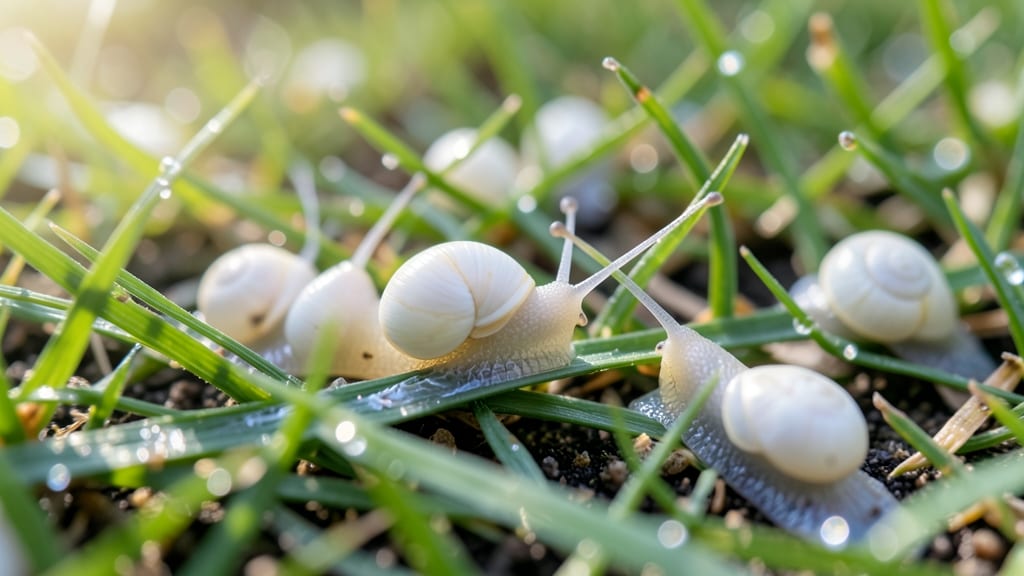
Those tiny white snails in your lawn aren’t just an eyesore—they’re devouring your grass overnight. 🌱 I’ve battled them for years, and the key is acting fast with humane traps that actually work without harming beneficial insects or pets.
They leave behind shiny, slime-covered trails and irregular patches where they’ve nibbled the grass right down to the soil. Most people reach for chemicals first, but those disrupt your lawn’s ecosystem. Instead, I’ll show you three traps that cut populations in 24 hours—no poisons, no guesswork.
By morning, you’ll see fewer trails, and within a week, your lawn will bounce back with thicker, healthier grass. The best part? These methods keep working season after season with minimal effort. Works in any climate, from humid summers to dry springs.
Let’s get those pests under control—without the collateral damage.
The Hidden Triggers Behind Tiny Lawn Invaders
If you’ve spotted tiny white snails—often mistaken for slugs or even baby pill bugs—slithering across your lawn, you’re not alone. These small mollusks, likely vermiculid snails or land snails, don’t just appear out of nowhere.
Their presence is usually a sign of underlying conditions in your yard that create the perfect habitat for them. Understanding these triggers is the first step to reclaiming your lawn without harming these delicate creatures.
Let’s break down the science-backed reasons why these tiny invaders show up in your outdoor space.
Tiny white snails thrive in environments where moisture is abundant but not standing water. Unlike their larger counterparts, they don’t need constant wetness—they prefer soil that stays damp due to:
- Poor drainage: Compacted or clay-heavy soil traps water after rain, creating ideal snail hideouts. Test your lawn’s drainage by digging a small hole (6 inches deep) and filling it with water. If it drains slowly (more than 4 hours), your soil may be too moist for comfort.
- Shady, humid microclimates: Areas under dense trees, shrubs, or fences retain moisture longer. Snails seek these spots to avoid drying out. A quick fix? Use a moisture meter (available at garden centers) to check soil humidity in suspect areas.
- Irrigation oversaturation: Overwatering, especially in the evening, keeps soil damp overnight—prime time for snail activity. Aim for 1 inch of water per week (including rain) and water early in the day to allow soil to dry.
💡 Pro Tip: If your lawn has low spots or depressions, consider adding organic matter (like compost or peat moss) to improve drainage. For severe cases, install French drains or redirect sprinklers away from problem zones.
Tiny white snails are detritivores—they feast on decomposing plant material, fungi, and even algae. If your lawn has:
- Thatch buildup: A layer of dead grass and roots (over ½ inch thick) creates a cozy, moist environment. Snails hide beneath it during the day and emerge at night to graze.
- Leaf litter or mulch piles: Thick layers of fallen leaves, wood chips, or grass clippings provide shelter and food. Even "clean" mulch can attract them if it’s not spread thinly (2–3 inches max).
- Fungal growth: Damp, shaded areas often develop moss or fungal mats (like Physarum slime molds), which snails adore. Look for slimy patches or white webbing-like structures.
🔥 Action Step: Rake up thick thatch and leaf debris, but avoid disturbing snails during the day (they’re slow and vulnerable). Instead, do this in the early morning or after a rain when they’re less active.
Healthy grass repels pests naturally, but stressed turf becomes an open invitation. Snails target lawns that are:
- Thin or patchy: Bare spots or weak grass (from drought, disease, or poor soil) leave exposed soil—snails’ favorite snacking ground. Conduct a soil test (available through extension offices) to check pH and nutrient levels.
- Over-fertilized or chemically treated: Excess nitrogen or herbicides (like glyphosate) can kill beneficial microbes and fungi, disrupting the ecosystem. Snails move in to exploit the imbalance. Opt for slow-release, organic fertilizers instead.
- Recently disturbed: Aeration, tilling, or new sod create fresh, moist soil—snails’ dream real estate. If you’ve recently renovated your lawn, expect a temporary spike in visitors.
🌱 Solution: Strengthen your lawn with core aeration (twice a year) and overseeding with drought-resistant grasses like tall fescue or perennial ryegrass. Avoid heavy foot traffic in damp areas to prevent soil compaction.
Tiny white snails are primarily nocturnal, meaning you’ll rarely see them during the day. Their daytime hiding spots (under boards, rocks, or dense mulch) reveal clues about your yard’s ecosystem:
- Lack of natural predators: Birds, toads, and ground beetles typically control snail populations. If these predators are missing (due to pesticide use or habitat loss), snails multiply unchecked. 💡 Pro Tip: Install a toad house or a shallow dish of water with pebbles to attract amphibians.
- Artificial light at night: Outdoor lights (especially blue or white LEDs) disorient predators and attract snails to feed near your home. Use motion-sensor or warm-toned lights to minimize this effect.
- Seasonal timing: These snails peak in spring and fall when nights are cool and damp. Summer heat forces them into deeper soil or shaded areas, while winter dormancy (under leaf litter) explains why they reappear in early spring.
⏰ Nighttime Inspection: Shine a flashlight on your lawn after dark (with a red filter to avoid disturbing them). Look for silvery trails or clusters under mulch—this confirms their activity patterns.
🎯 Key Takeaway: Tiny white snails aren’t just random visitors—they’re responding to specific conditions in your lawn. By addressing moisture, organic debris, lawn health, and predator balance, you can make your yard less appealing to them without resorting to harmful chemicals. The next step? Humane trapping methods to safely relocate them—coming up next!
Quick Fixes for Tiny Lawn Invaders
Tiny white snails—often mistaken for slugs or even pests like pill bugs—can turn your lush lawn into a slimy mess if left unchecked. But before reaching for harsh chemicals, try these humane, effective, and eco-friendly solutions tailored to the root cause of your problem.
Whether your lawn is too damp, lacks predators, or has become a buffet for these tiny gastropods, these fixes will help you reclaim your yard—without harming the environment or your pets.
---
If your lawn stays soggy for too long, tiny white snails thrive in the damp conditions. Here’s how to adjust the environment to make it less inviting:
#### 🔥 Fix the Drainage - Test your soil: Dig a small hole (6 inches deep) and fill it with water.
If it drains slowly (taking more than 4 hours), your lawn has poor drainage. - Aerate the lawn: Rent a core aerator or use a manual aerator to create holes in compacted soil.
This helps water absorb faster and reduces standing puddles. - Add organic matter: Mix in compost or coarse sand (like horticultural sand) to improve soil structure. Avoid clay-heavy soils—amend them with perlite or peat moss for better drainage.
#### 🌡️ Adjust Watering Habits - Water deeply but less often: Instead of daily light sprinkles, water 2–3 times per week for 10–15 minutes to encourage deep root growth and reduce surface moisture. - Water in the morning: This gives excess moisture time to evaporate before nightfall, when snails are most active. - Use soaker hoses: They deliver water directly to the roots, minimizing runoff and wet spots.
#### 💡 Pro Tip: If your lawn has low spots, consider grading the area slightly to redirect water flow. A gentle slope (1–2 inches over 10 feet) can prevent puddles where snails love to hide.
---
Tiny white snails are often controlled by birds, frogs, toads, and beneficial insects like ground beetles. If these predators are scarce, your lawn becomes an all-you-can-eat buffet.
#### 👨🍳 Invite Predators Back - Create a toad/frog habitat: Place a shallow dish of water with rocks or logs nearby—these creatures will move in and snack on snails. - Plant predator-friendly flowers: Marigolds, sunflowers, and daisies attract ladybugs and ground beetles, which devour snail eggs and young. - Avoid pesticides: Broad-spectrum insecticides kill both pests and their natural enemies.
Opt for targeted, organic sprays (like neem oil) if needed.
#### 🥘 Set Up Humane Traps If you need immediate relief, try these non-toxic traps that work in 24 hours: - Beer traps: Bury a shallow container (like a plastic cup) filled with beer.
Snails are attracted to the yeast and drown—no harm, just a quick exit. - Garden boards: Place flat stones or wooden planks on the lawn overnight.
Snails hide underneath; check and relocate them to a wooded area in the morning. - Diatomaceous earth (food-grade): Sprinkle a thin layer around the lawn’s edge. It dehydrates snails but is safe for pets once settled.
--- Tiny white snails lay hundreds of eggs in moist soil. Breaking their reproductive cycle stops future infestations.
#### 🔪 Remove Eggs Manually - Inspect the soil: After rain, check the top 1–2 inches of soil for tiny, translucent eggs (about the size of a pinhead). - Rake or handpick: Use a fine-mesh sieve to sift through soil and remove eggs.
Dispose of them in soapy water or far from your lawn.
#### ⏰ Time Your Interventions - Post-rain is critical: Snails lay eggs after heavy moisture. Rake the lawn 24–48 hours after rain to expose and crush eggs before they hatch.
#### 🌱 Adjust Lawn Care - Mow high: Keep grass at 3–4 inches to dry out soil faster and reduce hiding spots. - Remove thatch: A thick thatch layer traps moisture. Use a thatchet or verticutter to thin it out.
--- The best defense is a healthy, dry, and predator-rich lawn. Here’s how to keep snails from moving in:
- Improve sunlight: Snails prefer shady, damp areas.
Trim overgrown bushes and thin dense foliage to increase airflow and sunlight. - Use mulch alternatives: Avoid thick organic mulch (like wood chips) near the lawn—opt for gravel or pine straw to reduce moisture retention. - Regularly check borders: Snails often enter from gardens or wooded areas. Install copper tape barriers (a mild electric shock deters them) around lawn edges.
--- If your lawn is severely infested (slime trails everywhere, visible damage to plants), consider: - Beneficial nematodes: Microscopic worms like Phasmarhabditis hermaphrodita target snails without harming other wildlife.
Apply after dark when snails are active. - Iron phosphate baits: Organic, pet-safe pellets that paralyze snails’ digestive systems within 48 hours. Sprinkle in the evening for best results.
--- Remember: Tiny white snails are a sign of a moist, predator-poor lawn—not a hopeless battle. With a few adjustments, you can outsmart them naturally and enjoy a snail-free yard in no time! 🚀
Frequently asked questions
Are tiny white snails harmful to my lawn?
They’re not directly harmful like insects, but they can damage young grass shoots and seedlings by feeding on them. The real issue is their slimy trails, which create unsightly patches and can spread fungal diseases. Their presence usually signals underlying moisture or debris problems in your lawn.
How do I tell if they’re snails or pill bugs (roly-polies)?
Snails leave shiny, silvery trails and have a coiled shell, while pill bugs roll into a ball when disturbed. Tiny white snails are usually 1/4-inch or smaller with a smooth, rounded shell—pill bugs have segmented bodies and no shells. Check at night with a flashlight for trails.
Will beer traps actually work for these tiny snails?
Yes, but use shallow containers (like plastic cups) buried 1/2-inch deep—they’re attracted to the yeast. The key is placing them in damp areas after rain. For best results, check traps every 24 hours and relocate caught snails to wooded areas away from your lawn.
Can I use salt to kill them like I’ve seen online?
Never use salt—it’s ineffective against tiny snails and will harm your lawn’s soil and beneficial organisms. Instead, try food-grade diatomaceous earth (sprinkled lightly) or copper tape barriers along lawn edges. Both methods dehydrate snails without damaging plants.
When is the best time of year to treat for these snails?
Focus on spring and fall when nights are cool and damp—their peak activity seasons. Early morning or evening treatments work best. Summer heat forces them into dormancy, while winter frost naturally reduces populations. Preventative measures (like improving drainage) should happen year-round.