
Lawn
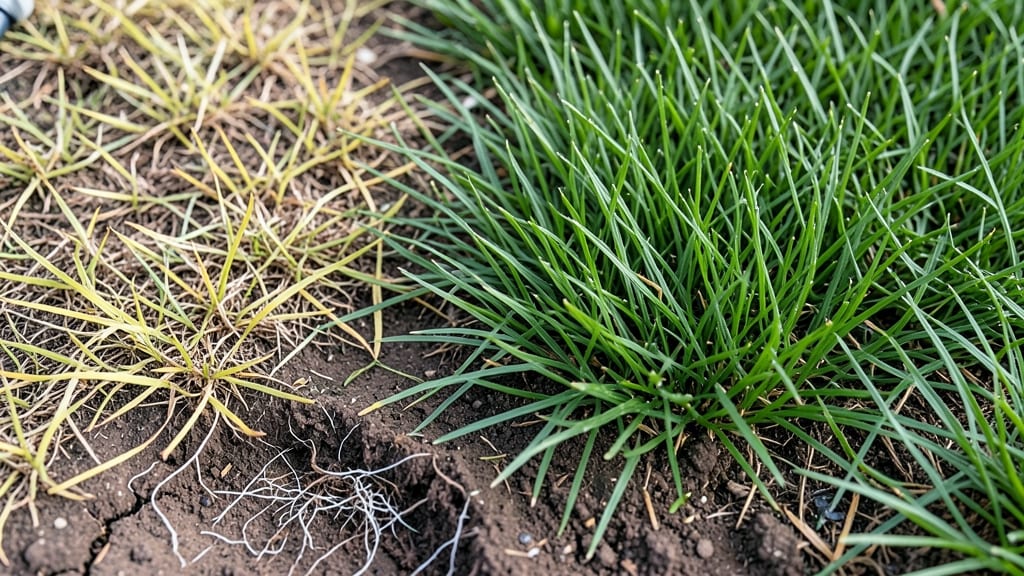
Bright green grass patches in your lawn aren’t always a sign of health—they might mean over-fertilization, fungal stress, or uneven watering. ✨ I’ve seen this happen after aggressive spring feeding or when irrigation systems fail to distribute moisture evenly, leaving some areas nitrogen-drunk while others struggle.
The key is balancing nutrients and moisture. A soil test reveals whether your lawn craves nitrogen, phosphorus, or potassium—or if it’s drowning in one. Adjust your fertilizer schedule to match seasonal needs, and water deeply but less frequently to encourage deep root growth.
You’ll notice the difference within 2-3 weeks: patches will blend into a uniform, resilient lawn. The secret is patience—stopping the damage first, then nurturing the whole lawn back to balance. For stubborn patches or fungal concerns, professional help might be worth the call. But most cases?
A few adjustments and consistent care do the trick.
The Hidden Triggers Behind Uneven Growth
Bright green grass patches popping up in your lawn can be as puzzling as they are eye-catching. While it might seem like a sign of a thriving lawn, these patches often signal underlying issues—some beneficial, others problematic.
Understanding the root causes helps you decide whether to celebrate or take action. Let’s break down the science behind why your lawn develops these vibrant spots.
Nitrogen is the star nutrient for lush green grass, but too much of a good thing can create uneven growth. When you apply too much fertilizer—especially high-nitrogen blends—or use synthetic quick-release fertilizers, the grass in direct contact with the excess nutrients grows faster, turning a brighter green.
Meanwhile, surrounding areas remain starved for nutrients, leading to a patchwork effect.
This isn’t just about overdoing it in one session. Slow-release fertilizers can also cause localized spikes if they’re not spread evenly or if they dissolve too quickly in certain soil conditions (like wet spots). Even organic amendments like compost or manure can overdo it if applied in thick layers.
Pro Tip: 💡 Test your soil before fertilizing to avoid nitrogen overload. If you suspect over-fertilization, dilute the soil with topsoil or compost to balance nutrient distribution.
Water is the lifeblood of grass, but inconsistent irrigation creates the perfect conditions for uneven growth. Overwatering in specific areas—like near sprinkler heads or low-lying spots—can lead to waterlogging, which forces grass to grow faster and turn a deeper green.
Meanwhile, dry patches struggle to keep up, creating a stark contrast.
On the flip side, underwatering causes stress, leading to dull, yellowing grass. But when some areas get just enough water to survive while others get too much, the "happy medium" spots thrive, turning bright green.
This is common with automatic sprinkler systems that malfunction or manual watering habits that miss certain zones.
Pro Tip: 🌡️ Use a rain gauge or soil moisture sensor to track watering consistency. Adjust sprinklers to overlap slightly for even coverage, and water early in the morning to reduce evaporation.
Healthy grass roots need well-aerated soil to absorb nutrients and water efficiently. When soil becomes compacted—due to foot traffic, heavy machinery, or clay-heavy compositions—roots in those areas struggle to grow, leaving grass dull and weak.
Meanwhile, nearby patches with looser, nutrient-rich soil (like where you’ve recently aerated or added organic matter) can explode in growth, turning an unnatural bright green.
Another culprit? Weeds or invasive grasses that outcompete your lawn for resources. Their aggressive root systems can steal nutrients and water, leaving your grass malnourished—except where they’ve been recently removed, leaving behind a "vacant" spot that your lawn quickly recolonizes with fresh, fast-growing shoots.
Pro Tip: ✨ Aerate compacted soil in fall or spring, then top-dress with compost or sand to improve drainage. If weeds are the issue, pull them early before they spread roots.
Grass is a sun-lover, but sudden changes in light exposure can create dramatic growth differences. If a tree loses branches, a building is removed, or new shrubs are planted, previously shaded areas may now receive full sun.
Grass in these newly sunlit patches grows faster and greener to take advantage of the extra light, while the rest of the lawn lags behind.
Conversely, new shade from growing trees or structures can stunt grass growth, turning it yellow or brown. But if only partial shade develops (like dappled sunlight through leaves), the grass in those spots may thrive slightly more due to moderate stress relief, creating a lighter green contrast.
Pro Tip: 🎯 If sunlight changes are permanent, choose shade-tolerant grass varieties for affected areas. For temporary shade (like new tree saplings), mulch the base to prevent root competition.
Not all parts of your lawn experience the same conditions. Microclimates—small areas with unique temperature, humidity, or wind patterns—can cause grass to grow at different rates. For example:
- South-facing slopes stay warmer and drier, encouraging faster growth.
- North-facing areas may stay cooler and wetter, leading to slower, darker grass.
- Windbreaks (like fences or hedges) can create sheltered spots where grass grows thicker and greener.
- Soil composition varies even in small spaces—some areas might have higher organic matter or better drainage, giving grass a growth boost.
Even underground utility lines or buried rocks can alter soil structure, creating pockets where grass grows differently. If you’ve noticed patches near sidewalks, driveways, or underground pipes, soil disruption is likely the culprit.
Pro Tip: 🔥 Test soil pH and nutrient levels in different zones to identify disparities. If microclimates are the issue, adjust watering and fertilizing schedules per area for balance.
Now that you know the science behind those bright green patches, you can diagnose whether they’re a sign of a healthy lawn or one in need of a tune-up. Next, we’ll explore how to even out the color and restore uniformity—without sacrificing that lush, green appeal!
How to Fix Uneven Grass Growth
Bright green patches in your lawn can be frustrating, but the good news is that most causes have straightforward fixes. Below, we’ll map the most common culprits to practical solutions—plus tips to keep your lawn lush and even long-term.
---
If your grass has bright green patches but looks scorched or rubbery, you’ve likely overdone it with nitrogen or synthetic fertilizers. Too much can burn roots while still feeding the top layer, creating uneven growth.
How to Fix It: ✅ Stop fertilizing immediately—let the grass recover for 4–6 weeks. ✅ Water deeply (1–1.5 inches per week) to help flush out excess salts and nutrients. ✅ Apply a slow-release organic fertilizer (like compost or a balanced 10-10-10 blend) to avoid repeat burns. ✅ Aerate compacted soil if the area feels spongy—this helps roots breathe and absorb nutrients evenly.
💡 Prevention Tip: Always follow label instructions for fertilizer rates, and split applications into smaller doses (e.g., every 6–8 weeks instead of all at once).
---
Patches that stay darker green than the rest may be getting too much water (or too little). Poor drainage or inconsistent watering can lead to soggy spots or thirsty patches.
How to Fix It: ✅ Check your sprinkler system—adjust heads to avoid overlapping or missed zones. ✅ Test soil moisture with a trowel: Dig 2–3 inches deep. If the soil is dry, water deeply; if it’s muddy, let it dry out slightly. ✅ Improve drainage in low spots by adding sand or compost, or install a French drain if needed. ✅ Water early in the morning (4–8 AM) to reduce evaporation and fungal risks.
💡 Prevention Tip: Use a rain gauge or a simple can test to measure water output—aim for 1 inch per week, including rain.
---
If the bright green patches feel spongy, slippery, or have a musty smell, you might be dealing with dollar spot fungus, moss, or algae—common in shady, damp lawns.
How to Fix It: ✅ Rake out thick moss (if present) and apply lime (to raise soil pH) or a fungicide (like copper-based sprays). ✅ Improve airflow by mowing higher (3–4 inches) and thinning out dense grass. ✅ Reduce shade if possible (trim overhanging branches) or overseed with shade-tolerant grass (like fine fescue). ✅ Apply a pre-emergent fungicide in spring/fall to prevent recurrence.
💡 Prevention Tip: Aerate annually to reduce thatch buildup, which fuels fungal growth.
---
Bright green grass can also signal excess nitrogen without enough potassium or phosphorus, weakening roots and leading to patchy recovery after stress (like drought or foot traffic).
How to Fix It: ✅ Run a soil test (kit from a garden center or lab) to check pH and nutrient levels. ✅ Balance your fertilizer—if nitrogen is high, switch to a low-N, high-K/P blend (like 5-10-15). ✅ Top-dress with compost (¼ inch) to improve soil structure and add micronutrients. ✅ Overseed bare spots with a drought-resistant mix (like tall fescue or Kentucky bluegrass).
💡 Prevention Tip: Mulch grass clippings—they return nitrogen naturally without overloading the soil.
--- If the problem is large and unsightly, consider: - Sod patches for quick coverage (choose the same grass type as your lawn). - Hydroseeding (a seed-and-mulch slurry) for sloped or large areas. - Professional core aeration + overseeding for deep soil issues.
--- - Spring/Summer: Focus on watering deeply and mowing high (3–4 inches). - Fall: Overseed and apply a winterizer fertilizer (high potassium) to strengthen roots. - Winter: Avoid walking on frozen patches—this compacts soil and smothers grass.
--- Final Thought: Most bright green patches are fixable with better watering, balanced nutrients, and soil care. Start with the most likely cause, adjust one thing at a time, and your lawn will thank you with even, vibrant growth! 🌱✨
Frequently asked questions
Are bright green grass patches always a bad sign?
Not necessarily! While they often indicate over-fertilization or uneven watering, they can also appear after recent aeration or organic matter addition (like compost), where grass grows faster due to improved soil conditions. The key is whether the rest of your lawn looks healthy—if other areas are struggling, it’s likely a problem needing attention.
How do I tell if my bright green patches are from fungus or fertilizer?
Check for these clues: Fungal patches often feel spongy or slippery, may have a musty smell, and appear in shady or damp areas. Fertilizer-bright patches usually look crispy or rubbery (from burn) and appear where fertilizer was applied. For confirmation, dig up a small sample—healthy roots should be white, while fungal roots may appear discolored or mushy.
Can I fix bright green patches without resodding?
Start by aerating compacted soil and overseeding with a matching grass type. For nutrient issues, top-dress with compost (¼ inch) and adjust your fertilizer to a balanced blend (10-10-10). If watering’s the problem, check sprinkler heads and water deeply but less frequently to encourage even root growth.
Why do my bright green patches keep coming back?
Persistent patches usually mean you’re addressing symptoms, not the root cause. Common culprits: repeated over-fertilization, poor drainage, or fungal spores hiding in thatch. Test your soil, aerate annually, and adjust watering schedules—most recurring issues stem from ignoring soil health or using quick-release fertilizers too often.
Is it better to use organic or synthetic fertilizer for uneven grass?
Organic fertilizers (like compost or manure) release nutrients slowly, reducing burn risk and promoting long-term soil health. Synthetics work faster but can cause localized spikes in nitrogen. For patchy lawns, organic slow-release blends are ideal—they balance growth without overwhelming specific areas. Always follow package rates to avoid overapplication!