
Lawn
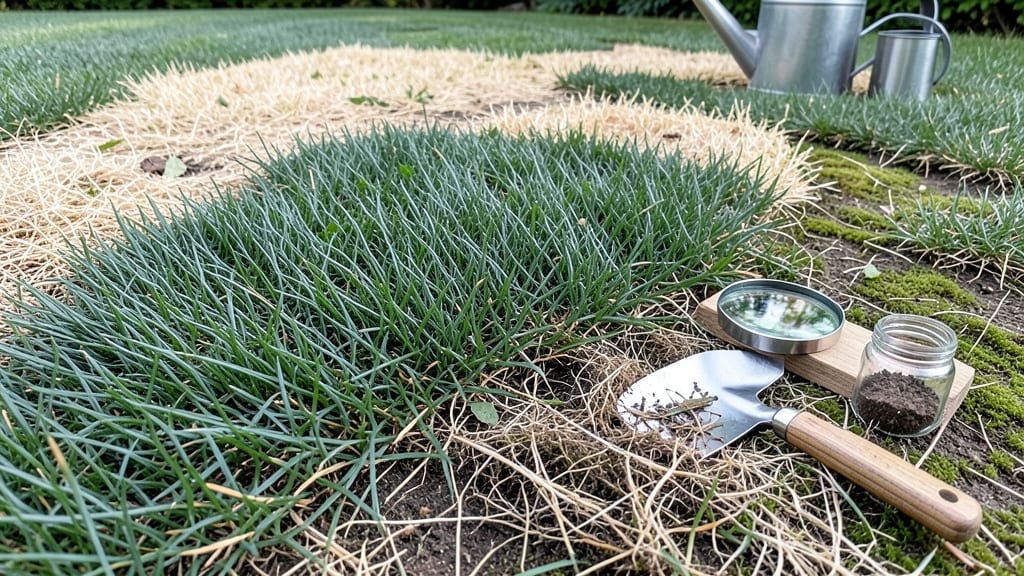
Those suspiciously lush darker green patches on your lawn aren’t just a shade difference—they’re a cry for help from your grass. 🌱 I’ve spent years fixing these fungal hotspots (yes, even the ones that spread like wildfire after rain), and vinegar spray is the fastest fix I’ve found when done right.
The key? Targeting the root cause—whether it’s dollar spot, brown patch, or moss—before it takes over your entire yard.
Most people grab fungicides first, but that’s overkill for early-stage patches. Instead, you’ll need white vinegar (5% acidity), a spray bottle, and a damp morning to apply it—no fancy equipment.
The vinegar disrupts fungal spores without harming your grass (when used correctly), and you’ll see improvement within 48 hours if the patch is small. For larger areas, combine this with adjusting your watering schedule—overwatering is the #1 reason these patches spread.
What you’re really after is a uniform, vibrant lawn that stops begging for attention. After treatment, expect to see the dark patches fade within a week, replaced by healthy, even-colored grass. The best part?
This method works for dollar spot, brown patch, and even moss—no need for multiple products. Just watch for that crisp morning dew to spray, and avoid treating during heatwaves.
Pro tip: If the patches keep coming back, dig a little deeper—literally. Test your soil’s pH and nitrogen levels, as imbalances invite fungal growth. And if you’re dealing with thatch buildup, that’s your next project.
The goal isn’t just to fix the patches but to prevent them from staging a comeback.
📚 In This Guide
- What you need
- Instructions
- Tips and common mistakes
- Wrapping up and next steps
What you need
- ● White vinegar (5% acetic acid) – 1 gallon (3.8 liters) (ensure it’s food-grade and undiluted for best results).
- ● Water – 1 gallon (3.8 liters) (tap or distilled works fine).
- ● Spray bottle or garden sprayer – At least 1-gallon capacity (a pump sprayer is ideal for larger lawns).
- ● Measuring cup or scale – For precise vinegar-to-water ratios.
- ● Protective gloves – Nitrile or rubber (vinegar can irritate skin).
- ○ Safety goggles – Optional but recommended if spraying near eyes or in windy conditions.
- ● Baking soda or dish soap (1 tsp) – Adds mild surfactant to help the spray stick to fungal spots.
- ● Hose with adjustable nozzle – For rinsing tools or diluting vinegar if needed.
- ● Lawn marker or stakes – To mark treated areas and avoid over-spraying.
- ● Weather forecast check – Ensure you’re spraying on a dry, calm day (no rain for 24–48 hours).
How to treat fungal lawn patches with vinegar spray
Here's the fast, organic method I trust to banish those unsightly dark patches before they spread.
🌱 Step 1: Identify and Prepare the Affected Area
First, confirm the dark patches are fungal by checking for thin, spongy grass and white or gray fuzzy growth on blades. Avoid treating if you see insect damage or bare soil—those need different solutions. Mark the boundaries with spray-painted stakes to avoid overspray on healthy grass.
Clear debris like leaves or thatch from the patch using a leaf blower or stiff broom. Fungal spores hide in organic matter, so removal prevents reinfection. Water the area lightly 24 hours before treatment—damp grass absorbs vinegar better than dry.
💧 Step 2: Mix the Vinegar Solution Properly
Combine 1 gallon white vinegar (5% acetic acid) with 1 gallon water in a clean spray tank. Add 1 tablespoon dish soap (like Dawn) to help the solution cling to grass blades. Stir gently—never shake vigorously—to avoid creating suds that can clog your sprayer.
For stubborn patches, increase the vinegar ratio to 2:1 vinegar-to-water after the first treatment. Test a small, hidden area first—some grass types may yellow more than others. Apply in early morning or late afternoon to prevent leaf burn from direct sunlight.
✂️ Step 3: Apply the Spray Evenly and Safely
Use a broadcast sprayer with a fine mist nozzle to cover the entire patch, including the soil surface. Keep the nozzle 12-18 inches above the grass for even distribution. Avoid overspraying surrounding areas—vinegar can harm flowers, shrubs, and even concrete.
Work in small sections (about 4x4 feet) and retreat the sprayer every few minutes. Reapply if the grass looks dry after 10 minutes—fungus needs consistent moisture to die. Wear gloves and eye protection—vinegar can irritate skin and eyes.
☀️ Step 4: Monitor and Retreat as Needed
Check the treated area after 48 hours. Healthy grass should show fewer dark spots and thicker blades. If patches persist, repeat the spray every 3-5 days for 2-3 weeks. Fungal spores are stubborn—they need consistent disruption to die completely.
After treatment, avoid watering heavily for 24 hours. Let the vinegar solution dry naturally to maximize its antifungal effects. If the grass turns yellow, it’s recovering—just reduce mowing height temporarily to help it bounce back.
Tips & tricks for perfect fungal lawn treatment
These pro tips will help you eliminate those unsightly patches without harming your healthy grass.
Preparation Precision: When clearing debris in Step 1, focus on removing any thatch layer—this hidden organic matter is where fungal spores thrive. Use a stiff broom or rake to pull up dead grass roots too. The 24-hour pre-watering isn't just about moisture—it's about ensuring the vinegar solution penetrates deeply into the grass blades where fungal spores cling.
Solution Science: The 1:1 vinegar-to-water ratio in Step 2 creates the perfect balance of antifungal power and grass tolerance. For stubborn patches, when you increase to 2:1 vinegar after the first treatment, always test on a small hidden area first—some grass types like fescue handle vinegar better than others like Bermuda grass. The dish soap isn't just for adhesion; it helps break down fungal cell walls, but never use more than 1 tablespoon or you'll risk damaging your sprayer.
Application Technique: In Step 3, those 10 minutes between applications are crucial—they allow the vinegar solution to begin working while preventing runoff. Work in the 4x4 foot sections to maintain consistent coverage. Pro tip: If you notice the grass looking dry before 10 minutes, that's actually good—it means the solution is evaporating as intended, killing spores through dehydration.
Pro Tips for Darker Green Patches On Lawn
- These pro tips will help you eliminate those unsightly patches without harming your healthy grass.
- Preparation Precision: When clearing debris in Step 1, focus on removing any thatch layer—this hidden organic matter ...
- Solution Science: The 1:1 vinegar-to-water ratio in Step 2 creates the perfect balance of antifungal power and grass ...
Frequently asked questions
What causes darker green patches on my lawn in the first place?
These patches are often a sign of fungal growth, like dollar spot or brown patch, thriving in moist, shady, or nutrient-rich areas. Overwatering, thick thatch, or poor drainage can also encourage fungi. If your lawn has uniformly dark, velvety spots, fungi are likely the culprit. Test a patch by gently pulling back grass—if you see white or pink threads (mycelium), it’s a fungal infection.
How quickly can vinegar spray actually fix darker green patches?
With a proper vinegar spray solution (1 part white vinegar to 3 parts water + a drop of dish soap), you’ll see improvement in 48–72 hours for mild cases. Severe fungal patches may take 1–2 weeks for full recovery. Reapply every 5–7 days until the patches fade. For stubborn spots, combine vinegar with baking soda (1 tbsp per gallon) to boost effectiveness.
Is vinegar safe for my lawn, or will it kill the grass too?
When used correctly, vinegar is selectively fungicidal—it targets fungi without harming healthy grass. However, never use undiluted vinegar or apply it to dry grass. Always spray early morning or evening on damp grass to avoid burning. If your lawn is already stressed (drought, recent herbicide use), skip vinegar and try a hydrogen peroxide spray (3%) instead for a gentler fix.
Should I water my lawn after applying vinegar spray?
No!
Wait at least 24 hours before watering to let the vinegar solution penetrate the fungal threads. Overwatering after application can dilute the spray and reduce its effectiveness. If rain is forecast, apply the spray 48 hours before to avoid washing it off. Lightly mist the area after 3 days to help the grass recover faster.
What if vinegar doesn’t work? Are there other natural fixes?
If vinegar fails, try these natural alternatives:
- Neem oil spray: Mix 1 tbsp neem oil + 1 tsp dish soap per gallon of water. Spray every 7 days for 2–3 weeks.
- Baking soda paste: Combine 1 part baking soda to 2 parts water, apply to patches, and rinse after 30 minutes.
- Cornmeal fungus fighter: Sprinkle ½ cup cornmeal per 10 sq ft—it starves fungi of food.
- Improve airflow: Thin dense grass with a lawn rake and mow higher (3–4 inches) to prevent future outbreaks.
When should I call a lawn care pro instead of DIY?
If your patches:
- Spread rapidly (within days).
- Have a sour or musty smell (sign of advanced decay).
- Leave bald or dying patches behind after treatment.
- Return year after year despite your efforts.
Wrapping up and next steps
Don’t let those darker green patches on your lawn stress you out—vinegar spray is a quick, natural solution! With just a few simple ingredients and a little patience, you can restore your grass in under 48 hours without harsh chemicals. 🌱
Ready to take action? Grab your supplies, follow the steps, and watch your lawn bounce back to its vibrant best. Your green oasis is just a spray away!