
Lawn
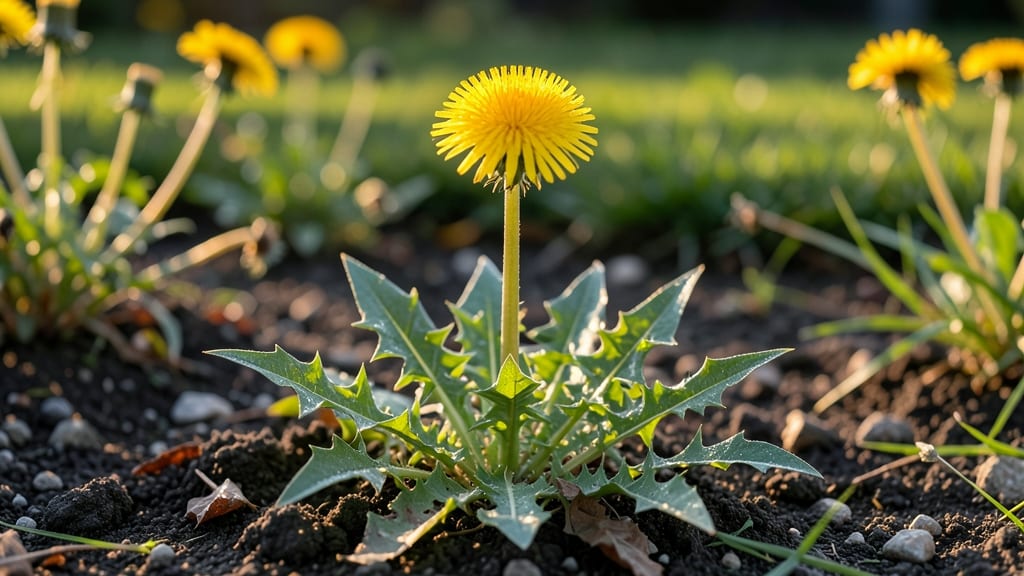
That lawn weed with small yellow flowers popping up in your grass isn’t just stubborn—it’s probably dandelions, clover, or chickweed, and they’re fighting for space your grass should have. 🌱 I’ve spent years battling these tenacious weeds, and I’ve learned which methods actually work without poisoning your yard or your conscience.
The key is knowing exactly what you’re dealing with before you pull, spray, or smother it.
Dandelions and clover love sunny lawns, while chickweed thrives in damp, shaded spots. The good news? All three respond to the same three-pronged approach: pull them young, smother them with thick grass, or use targeted organic sprays.
I’ll show you how to do each without resorting to harsh chemicals that harm your soil—and your kids’ bare feet.
By the end, you’ll have a lawn that stays green, not just yellow. No more digging up roots that keep coming back or wasting money on sprays that don’t work. The secret is consistency: tackle them in spring before they seed, and your grass will crowd them out naturally.
Works for any lawn size, from small suburban patches to big backyard spaces. Let’s get those yellow blooms out for good—without guilt or gimmicks.
Hidden Triggers Inviting Weeds
Those cheerful lawn weeds with small yellow flowers—likely dandelions, clover, or chickweed—don’t just pop up by accident. They thrive because your lawn creates the perfect conditions for them.
Understanding the root causes (literally and figuratively) helps you disrupt their lifecycle before they spread. Let’s break down why these weeds take over, so you can reclaim your grass.
Weeds like dandelions and chickweed love compacted, nutrient-poor soil. When your lawn lacks essential nutrients—especially nitrogen, phosphorus, and potassium—grasses weaken, leaving gaps for weeds to exploit.
- Compacted soil restricts water and oxygen, stunting grass roots while weeds (with shallow, resilient systems) thrive.
- High soil pH (alkaline) locks out nutrients, making grass vulnerable. Most weeds prefer pH levels between 6.0–7.5, while turfgrass often needs 6.0–7.0.
- Lack of organic matter reduces soil structure, leading to erosion and bare patches where weeds germinate.
Actionable fix: Test your soil (DIY kits cost ~$20) and amend with compost or a slow-release fertilizer. Aerate annually to relieve compaction.
Weeds like yellow-flowered chickweed and dandelions are drought-tolerant and germinate in moist, uneven conditions. Overwatering or irregular watering creates pockets of excess moisture, while underwatering stresses grass, leaving it susceptible to invasion.
- Deep but infrequent watering (1–1.5 inches per week) encourages deep grass roots, outcompeting weeds.
- Shallow, frequent watering keeps the topsoil damp, perfect for weed seeds to sprout.
- Morning watering (before 10 AM) reduces fungal risks and allows grass to dry faster, deterring weeds.
Actionable fix: Adjust your sprinkler schedule to water early in the morning and aim for 1–1.5 inches per week. Use a rain gauge or tuna can to measure.
Cutting grass too short (scalping) or at the wrong time stresses it, while leaving clippings too long can smother new growth. Weeds like yellow-flowered creeping charlie (a close cousin) spread via runners, and improper mowing gives them an edge.
- Mowing too low (<1 inch) exposes soil to sunlight, encouraging weed seeds to germinate.
- Mowing wet grass tears blades, creating entry points for disease and weeds.
- Never bagging clippings can spread weed seeds (especially from broadleaf weeds like dandelions).
Actionable fix: Mow at 3–4 inches tall and never remove more than ⅓ of the blade height at once. Sharpen mower blades monthly for clean cuts.
Weeds thrive in bare spots where grass is thin or absent. Common causes include:
- Thin grass from poor seeding, disease, or foot traffic.
- Shade stress (trees/shrubs block sunlight, weakening grass).
- Construction or pet damage creates disturbed soil, ideal for weed seeds.
Actionable fix:
- Reseed bare patches in early fall (optimal germination).
- Choose shade-tolerant grasses (e.g., fine fescue) if trees are an issue.
- Apply pre-emergent herbicide in early spring to block weed seeds.
Grubs, chinch bugs, or fungal diseases like brown patch weaken grass, creating openings for weeds. For example, yellow-flowered chickweed often follows dollar spot fungus, which leaves grass patchy and vulnerable.
Actionable fix: Inspect your lawn for pests (dig up a sod square to check for grubs). Treat diseases with fungicides and pests with beneficial nematodes or targeted insecticides.
Weeds like dandelions and chickweed time their germination to exploit lawn weaknesses:
- Dandelions germinate in fall and spring, when soil temps are ideal (50–85°F).
- Chickweed thrives in cool, moist conditions (common in early spring or rainy seasons).
- Wind and animals spread seeds—dandelion "puffs" can travel miles, while chickweed sticks to pets and shoes.
Actionable fix:
- Apply pre-emergent herbicide in early spring (before weeds sprout).
- Rake up flowering weeds before seeds mature (dandelions release seeds in 3–5 days if left unchecked).
- Wash pet paws and shoes after walking on infested lawns.
How to solve it
Dealing with those pesky lawn weeds with tiny yellow blooms doesn’t have to mean resorting to harsh chemicals. Whether you’re battling dandelions, clover, or creeping Charlie, these targeted solutions will help you reclaim your lawn—without harming the environment or your family.
Let’s tackle the problem step by step, from quick fixes to long-term prevention.
Before grabbing your weed killer, confirm what you’re dealing with. Many yellow-flowered weeds (like dandelions or buttercups) thrive in specific conditions. A quick inspection will save you time and effort:
- Check the roots: Deep taproots (like dandelions) need a different approach than shallow runners (like clover).
- Observe growth patterns: Are they clustered or spread out? This tells you if they’re spreading via seeds or underground stems.
- Note your lawn’s health: Weedy patches often signal poor soil or overwatering—fixing the root cause (pun intended) prevents regrowth.
For small infestations, your hands (or a few tools) are your best defense. These methods work best in early spring or fall when weeds are young and tender.
👨🍳 Pull by Hand or With Tools
- Timing is everything: Wait for a rainy day or water the area 1–2 hours before pulling. Wet soil makes weeds easier to remove.
- Grip and tug: For weeds with deep roots (like dandelions), use a weed puller or digging fork to loosen the soil before pulling. For shallow weeds (like clover), a hand trowel works well.
- Remove the whole plant: Break off any remaining root fragments—even a tiny piece can regrow! 🌱➡️💥
- Dispose properly: Toss weeds in the trash (not compost) to prevent reseeding.
🥘 Smothering Weeds (For Large Patches)
If your lawn has bare spots or thick weed growth, smothering cuts off sunlight and suffocates them:
- Cardboard or newspaper: Lay down layers (2–3 sheets thick) over the area, then cover with 2–3 inches of mulch or soil. Wait 4–6 weeks before reseeding.
- Black plastic sheeting: Weigh down the edges and leave in place for 3–4 weeks in sunny weather. Great for driveways or pathways.
If manual methods feel tedious, these natural alternatives target weeds without chemicals:
🌡️ Boiling Water
- Best for: Small, localized weeds (like dandelions in cracks or sidewalks).
- How to do it: Pour boiling water directly onto the weed and roots. Repeat weekly until the plant dies.
- ⚠️ Warning: Avoid using near desirable plants—boiling water can damage grass too!
🎯 Vinegar Solution (For Tough Spots)
- Recipe: Mix 1 gallon of white vinegar (20% acetic acid) with 1 oz of dish soap. Add a few drops of food coloring (optional, to avoid staining).
- Application: Spray directly on weeds (avoid windy days).
Reapply every 3–5 days until the weed turns brown and crispy. - ✨ Pro Tip: Test a small area first—vinegar can kill grass if not applied carefully!
💡 Salt or Cornmeal (Preventative Barrier)
- Salt: Sprinkle a thin layer of rock salt around mulch beds or walkways (not lawns—it harms grass). The salt dehydrates weeds over time.
- Cornmeal: Sprinkle on soil before weeds sprout. It disrupts weed seed germination without harming established plants.
The key to a weed-free lawn? Healthy grass. Weeds thrive where grass is weak. Here’s how to outcompete them:
🌱 Strengthen Your Grass
- Mow high: Set your mower to 3–4 inches. Taller grass shades out weeds and develops deeper roots.
- Aerate and overseed: Thin lawns invite weeds.
Aerate in fall and overseed with a dense, fast-growing grass mix (like fescue or ryegrass). - Fertilize properly: Use a slow-release, balanced fertilizer (like 10-10-10) in early spring and fall. Avoid over-fertilizing with nitrogen—it encourages weed growth.
💦 Water Wisely
- Deep and infrequent: Water lawns 1–1.5 inches per week (including rain). Shallow watering stresses grass and encourages weeds.
- Early morning only: Water before 10 AM to reduce fungal diseases and evaporation.
🌡️ Mulch Beds and Pathways
- Organic mulch: Use wood chips or straw around garden beds to block sunlight and retain moisture.
- Gravel or landscape fabric: For high-traffic areas, these prevent weeds from taking root.
- Don’t bag grass clippings: Leave them on the lawn—they return nutrients and suppress weeds naturally. - Avoid broadleaf herbicides unnecessarily: Chemicals like 2,4-D can harm beneficial insects and pollute water sources.
Use them only as a last resort. - Don’t ignore soil health: Weeds often indicate compacted or nutrient-poor soil. Test your soil and amend with compost if needed.
With consistency, your lawn will crowd out weeds naturally. Start with one or two methods, monitor progress, and adjust as needed. Before you know it, those yellow blooms will be a thing of the past—replaced by a lush, green carpet you can be proud of! 🌿💚
Frequently asked questions
What are the most common weeds with small yellow flowers in lawns?
The three most likely culprits are dandelions (deep taproots, puffy seed heads), chickweed (shallow runners, thrives in cool weather), and clover (triangular leaves, nitrogen-fixing). All three spread aggressively but respond to different removal methods—dandelions need deep extraction while clover often smothers when grass thickens.
Why do these weeds keep coming back even after I pull them?
Weeds like dandelions regrow from tiny root fragments left in the soil, while clover spreads via underground runners. The real issue is often poor soil health—weeds exploit compacted, nutrient-deficient ground. Fix this by aerating, overseeding, and adding compost. Without addressing the root cause (pun intended), new weeds will just replace the old ones.
Is vinegar safe to use on lawn weeds with yellow flowers?
Vinegar works well for spot treatment but requires precise application. Use a 20% acetic acid solution (household vinegar is only 5%) mixed with dish soap, and avoid windy days. Test a small area first—vinegar can damage grass if it drifts. For large lawns, vinegar is labor-intensive but chemical-free. Pro tip: Apply on a sunny day when weeds are actively growing for best results.
When is the best time of year to tackle these weeds?
Early spring (March-April) and fall (September-October) are ideal because weeds are young and tender. In spring, target dandelions before they seed (they release seeds in just 3-5 days when mature). Fall is perfect for overseeding—thick grass crowds out weeds naturally. Avoid treating in summer heat, which stresses both weeds and grass.
Will cornmeal really prevent weeds from growing?
Yes! Cornmeal contains natural herbicidal compounds that disrupt weed seed germination. Sprinkle 1/4 cup per 10 sq ft in early spring or after clearing weeds. It won't kill established weeds but prevents new ones from sprouting. For best results, reapply every 4-6 weeks during growing season. It's especially effective in garden beds where you want to block weeds without chemicals.