
Lawn
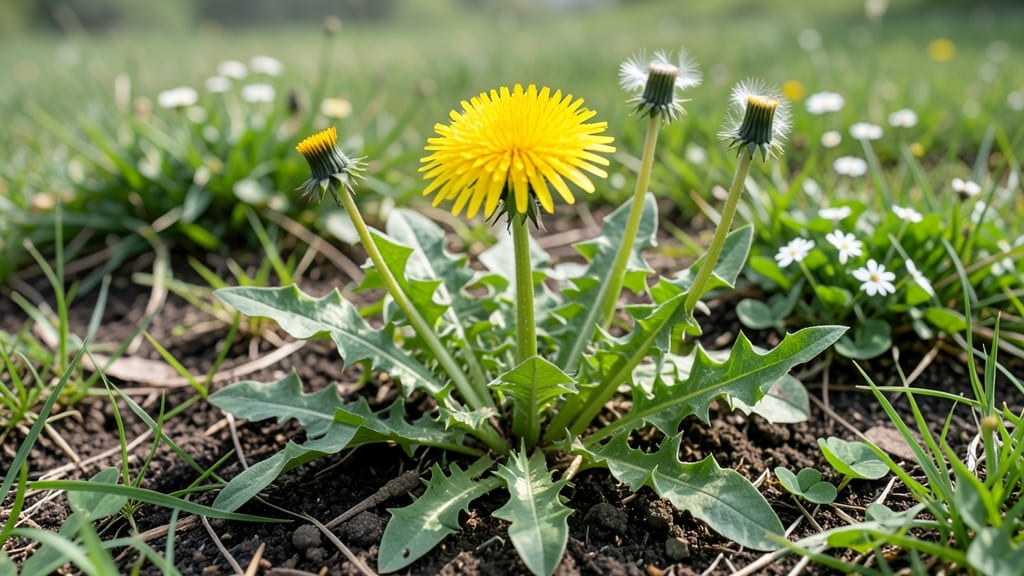
Those bright yellow lawn weeds with flowers popping up in your lawn aren't just pretty—they're dandelions and buttercups stealing nutrients from your grass. 🌱 I've spent years pulling these stubborn weeds by hand, and I'm sharing the 3-step system that finally keeps them under control without chemicals.
The problem starts when lawns get thin from poor soil or overwatering, giving weeds the perfect opening. Most people grab herbicides first, but that kills the good stuff too. Instead, we're targeting the roots while strengthening your grass naturally—no harsh sprays needed.
By the end of these steps, you'll see fewer weeds and thicker grass within 4-6 weeks. The key is timing: tackle them in early spring before they spread, and use the right tools for deep removal. Works for any lawn type, from small backyards to large properties.
Let's reclaim that green space!"
Root Causes Of Yellow-Blooming Weeds
Yellow-flowered weeds popping up in your lawn aren’t just an eyesore—they’re often a sign that something’s off with your turf’s health or growing conditions. Understanding the why behind their invasion helps you tackle the problem at its source.
Let’s break down the key factors that turn your lawn into a weed buffet.
Weeds with vibrant yellow blooms like dandelions, clover, or black-eyed Susans thrive when your soil lacks the right balance. Here’s how it happens:
- Low Nutrient Levels: Grass needs nitrogen, phosphorus, and potassium to grow thick and competitive. When these nutrients are scarce, weeds—especially hardy, fast-growing species—fill the gap. A soil test can reveal deficiencies, but even a quick visual check (pale grass, sparse growth) hints at the issue.
- Compacted or Waterlogged Soil: Heavy foot traffic, clay soil, or poor drainage creates dense, oxygen-poor zones. Weeds like chickweed or ground ivy (with yellow flowers) love these conditions because their shallow roots can exploit compacted layers while grass struggles to breathe.
- pH Imbalance: Most lawn grasses prefer a slightly acidic pH (6.0–7.0). If your soil is too alkaline (high pH), essential nutrients like iron and manganese become unavailable. This stress weakens grass, giving weeds like dandelions (which tolerate alkaline soil) a competitive edge.
Actionable Fix: Test your soil (DIY kits are affordable) and amend with compost, peat moss (to lower pH), or lime (to raise pH). Aerate compacted areas to improve root penetration and water absorption.
Watering is a Goldilocks scenario—too little or too much, and weeds with yellow flowers seize the opportunity. Here’s how:
- Drought Stress: When grass doesn’t get enough water, it goes dormant or dies back, leaving bare spots. Weeds like prostrate spurge (with star-shaped yellow blooms) germinate in these gaps, their deep or drought-tolerant roots outcompeting struggling grass.
- Overwatering: Excess moisture creates the perfect environment for broadleaf weeds like creeping Charlie (a yellow-flowered nemesis). These weeds thrive in soggy soil, while grass roots suffocate from lack of oxygen.
- Inconsistent Watering: Uneven moisture levels (e.g., sprinklers skipping spots) lead to patchy lawns. Weeds like henbit (with tiny yellow flowers) exploit these inconsistencies, germinating where grass can’t.
Actionable Fix: Water deeply but infrequently (1–1.5 inches per week, including rain). Use a rain gauge or tuna can to check soil moisture, and adjust sprinklers to cover the entire lawn evenly.
Skipping basic lawn maintenance creates openings for weeds to move in. Here’s how laziness (or lack of knowledge) helps them win:
- Infrequent Mowing: Tall grass shades the soil, cooling it and reducing weed germination—but it also creates a dark, humid microclimate perfect for yellow woodsorrel or selfheal. Mowing too short (scalping) stresses grass, while leaving it too long invites weeds.
- No Overseeding: Thin grass patches are weed magnets. When grass doesn’t fill gaps after wear, weeds like dandelions or plantain (with yellow-green blooms) rush to claim the space.
- Ignoring Thatch: A thatch layer (dead grass buildup) thicker than ½ inch blocks water, air, and nutrients from reaching roots. Weeds like nutsedge (with yellow-green flower spikes) exploit this barrier, growing through the thatch while grass suffocates.
Actionable Fix: Mow regularly at the right height (3–4 inches for most grasses), overseed bare spots in fall, and dethatch if the layer exceeds ½ inch. A sharp mower blade also reduces stress on grass.
Lawn weeds with yellow flowers often dominate in areas where your grass isn’t well-adapted. Here’s the science:
- Too Much Shade: Grass like Kentucky bluegrass or fescue needs 4–6 hours of sunlight daily. In shady spots, weeds like wild violet (with yellow-white flowers) or ground ivy (creeping charlie) outcompete grass by tolerating low light and spreading aggressively.
- Full Sun Exposure: Some grasses (like Bermuda) thrive in intense sun, but others (like fine fescue) wilt. Weeds like dandelions or carpenter ants’ favorite—yellow oxalis—take over where grass can’t keep up.
- Edge Conditions: Areas near sidewalks, driveways, or trees often have extreme sun/shade shifts. Weeds like henbit or shepherd’s purse (with tiny yellow flowers) colonize these transition zones.
Actionable Fix: Choose shade-tolerant grasses (e.g., fine fescue) for low-light areas or prune trees to increase sunlight. In sunny spots, ensure your grass variety matches the exposure.
💡 Pro Tip: Most yellow-flowered weeds are broadleaf species, which rely on grass weakness to spread. The key to stopping them? Healthy grass outcompetes weeds naturally. Focus on soil, water, and mowing first—chemicals are a last resort.
Quick Fixes for Stubborn Lawn Invaders
Yellow-flowered weeds don’t stand a chance when you tackle them with the right strategies—tailored to their cause. Below, we break down the most common reasons these weeds take over and the practical, step-by-step fixes to reclaim your lawn. Plus, we’ll share prevention tips to keep them from staging a comeback.
If your lawn is soggy or waterlogged, yellow-flowered weeds like dandelions or creeping buttercup thrive in the damp conditions. Here’s how to dry them out:
👨🍳 Step 1: Improve Soil Drainage
- Test your soil: Dig a 6-inch hole and fill it with water. If it drains in under 4 hours, your soil is fine. If not, you’ve got drainage issues.
- Add organic matter: Mix in 2–3 inches of compost or sand (for clay-heavy soil) to loosen compacted areas. Use a rake to blend it in.
- 💡 Pro Tip: For severe cases, consider installing French drains or swales (shallow trenches) to redirect water.
🥘 Step 2: Adjust Watering Habits
- Water deeply but less often: Aim for 1–1.5 inches per week (including rain). Use a soaker hose or drip irrigation to avoid surface puddles.
- Water early: Morning sessions (before 10 AM) reduce evaporation and fungal risks.
⏰ Step 3: Pull Weeds When Soil is Dry
- Wait until the ground is firm but not bone-dry to pull weeds by hand. Wet soil makes roots brittle, so they snap easier.
Weeds like clover and plantain exploit compacted soil where grass struggles to grow. Aeration and proper care can turn things around.
🔪 Step 1: Rent or Buy an Aerator
- Core aeration (removing small soil plugs) is best. Do this in early fall or spring when grass is actively growing.
- Manual alternative: Use a garden fork to poke holes 3–4 inches deep, 6 inches apart.
🌱 Step 2: Overseed and Fertilize
- Choose the right grass: Pick a dense, shade-tolerant variety (like fine fescue or Kentucky bluegrass) that outcompetes weeds.
- Apply a slow-release fertilizer (high in nitrogen) to encourage grass growth. Follow package rates.
🎯 Step 3: Reduce Foot Traffic
- Designate a walkway or use stepping stones to avoid compacting high-traffic areas.
Yellow-flowered weeds often pop up when your lawn lacks nutrients or has the wrong pH. A simple soil test reveals the fix.
📊 Step 1: Conduct a Soil Test
- Buy a DIY test kit ($10–$20) or send a sample to your local cooperative extension office (often free or low-cost).
- Ideal pH for most lawns: 6.0–7.0. Below 6.0? Add lime. Above 7.0? Use sulfur.
🥗 Step 2: Amend Soil as Needed
- Low nitrogen? Apply a balanced fertilizer (e.g., 10-10-10).
- High weeds? Try a weed-and-feed product (but spot-treat first to avoid killing grass).
- 💡 Pro Tip: For organic fixes, use composted manure or bone meal (for phosphorus).
✨ Step 3: Reapply Lime or Sulfur
- For acidic soil (low pH): Sprinkle pelletized lime (follow package instructions) and water it in.
- For alkaline soil (high pH): Work in elemental sulfur and retest in 2–3 months.
Once your lawn is healthy, prevent regrowth with these habits:
- ✅ Mow high: Keep grass at 3–4 inches to block sunlight for weeds.
- ✅ Mow regularly: Never remove more than ⅓ of the blade at once.
- ✅ Dethatch annually: Use a thatch rake in spring to remove thatch layers where weeds hide.
- ✅ Apply pre-emergent herbicide in early spring (before weed seeds sprout).
- ✅ Hand-pull weeds early: Remove them when they’re small to avoid seed spread.
With the right approach, your lawn will crowd out those yellow invaders—for good. Start with the fix that matches your lawn’s biggest weakness, and soon you’ll be the envy of the neighborhood! 🌿💛
Frequently asked questions
What are the most common lawn weeds with yellow flowers?
The top offenders include dandelions (bright yellow blooms), buttercups (petal-like yellow flowers), clover (tiny yellow flower clusters), and creeping Charlie (yellow-green flowers). These weeds thrive in thin or compacted lawns, often appearing in early spring.
Are yellow-flowered weeds harmful to my lawn?
Not directly, but they compete with grass for water, nutrients, and sunlight. Their deep roots can also disrupt grass root systems over time. The bigger concern is their persistence—many produce thousands of seeds, making them hard to eliminate without proper lawn care.
What's the best time of year to treat these weeds?
Early spring (before weeds flower) and late summer are ideal. Apply pre-emergent herbicides in early spring to prevent seeds from germinating, and spot-treat visible weeds in late summer when they're actively growing. Avoid treating in winter when weeds are dormant.
Can I use vinegar to kill yellow-flowered weeds?
Yes, but with caution! A mix of 1 gallon white vinegar, 1 cup salt, and 1 tablespoon dish soap works as a natural herbicide. Spray directly on weeds (avoid grass) on sunny days. Repeat every 3-4 days until weeds die. For large lawns, this method requires frequent applications.
Why do these weeds keep coming back even after I pull them?
Most yellow-flowered weeds spread through seeds or underground runners. One dandelion can produce up to 1,000 seeds! Pulling alone won't stop them—combine with proper lawn care (aeration, overseeding, and soil testing) to create conditions where grass outcompetes weeds naturally.