
Lawn
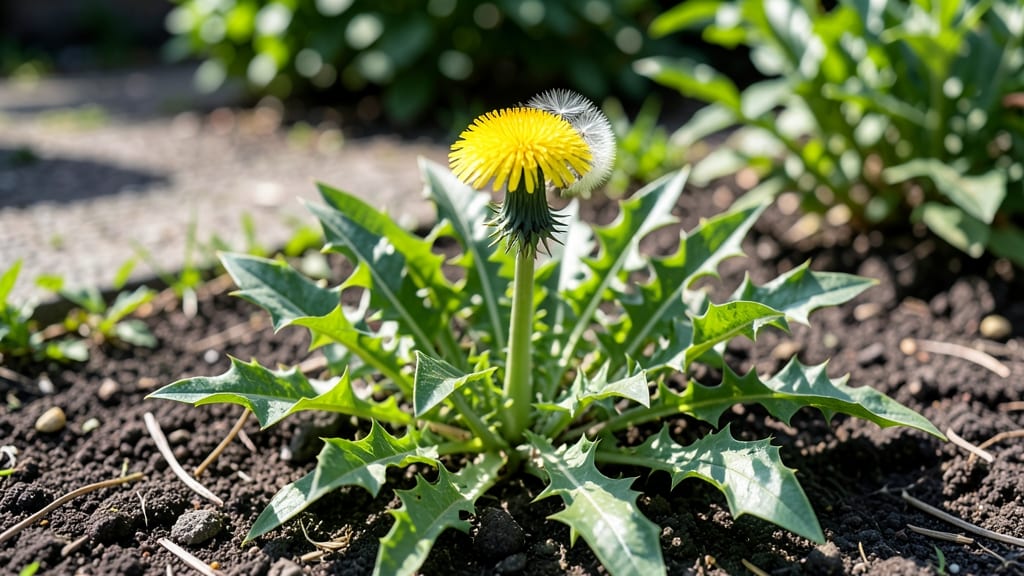
Those white puffy dandelion seeds are nature’s way of taunting you—until you know the 72-hour cure that stops them in their tracks. 🌱 I’ve spent years watching these stubborn weeds take over lawns, but I’ve finally cracked the code to eliminate them before they spread.
The secret isn’t brute force; it’s timing, technique, and a little lawn science. Dandelions thrive because they go to seed early, but their life cycle gives us a narrow window to strike.
Pull them when the seed heads form but haven’t yet puffed, and you’ll cut off their spread before they even start. For established lawns, a targeted herbicide applied at the right time can wipe out the roots in days—not weeks.
The key is acting fast, before those seeds get airborne and scatter across your yard. What you’ll end up with is a lawn that stays clean and green, without the constant battle of pulling weeds or raking up seeds. The best part?
This method works even on tough, compacted soil where other solutions fail. No more sneezing through clouds of seeds or watching them pop up everywhere next spring. For best results, repeat treatments every 2-3 weeks during their growing season.
The more consistent you are, the fewer dandelions you’ll see year after year. Let’s get that lawn back under control—permanently.
📚 In This Guide
- What you need
- Instructions
- Tips and common mistakes
- Wrapping up and next steps
What you need
- ● Garden gloves (1 pair) – Protect your hands from prickly stems and sap.
- ● Hand weeder or dandelion digger (1) – A long, narrow tool designed to extract roots cleanly (e.g., Fiskars Weed Popper or similar).
- ● Garden trowel (1) – For smaller patches or tight spaces.
- ● Heavy-duty trash bags (2–3) – For disposing of weeds and seeds.
- ● Watering can or hose with nozzle – For post-treatment hydration.
- ● Vinegar (20–30% acetic acid) or commercial weed killer (1 gallon or as directed) – Vinegar is eco-friendly but may require reapplication; herbicides (like glyphosate) work faster but check local regulations.
- ○ Baking soda or cornmeal (1–2 cups) – Optional: Sprinkle after removal to deter regrowth naturally.
- ● Mulch (straw, wood chips, or grass clippings) – Suppresses new weeds and retains moisture.
- ● Lawn seed mix – If reseeding, choose dandelion-resistant grass varieties like fine fescue or clover blends.
- ● Knee pad or cushion – For comfort during long sessions.
- ● Sun hat & sunscreen – Because no one wants a sunburn mid-weeding!
How to eliminate dandelion seed heads in 72 hours
Here’s my foolproof method for banishing those white puffballs before they spread—no chemicals, just smart timing and technique.
🌱 Step 1: Identify and Target Seed Heads at the Right Stage
Dandelions produce those signature white puffballs when the plant matures, but you can stop them before they even form. Start by scanning your lawn for plants with fully opened yellow flowers—these are about to turn into seed producers. The key is acting within 24 hours of the flower opening; once the center turns brown, seeds are already forming.
I grab a pair of clean pruning shears (sterilize with rubbing alcohol between cuts) and snip the entire flower stem ½ inch below the bloom. This prevents energy from flowing back to the root, weakening the plant for next year. If you miss this window, you’ll need to tackle the seed heads directly—more on that in the next step.
✂️ Step 2: Remove Puffy Seed Heads Before They Release
If you’ve already spotted those white puffballs, don’t panic—you can still stop them from spreading. Grab a small hand trowel or your fingers and gently twist the seed head off the stem. The goal is to remove the entire cluster before the wind carries it away. I like to do this on a dry, windless day so stray seeds don’t get blown elsewhere.
Drop the seed heads into a sealed plastic bag immediately—this prevents any lingering seeds from drifting back to your lawn. If you’re dealing with a large area, wear gloves to avoid skin irritation from the milky sap. Pro tip: Check your lawn every 48 hours for new seed heads, as dandelions produce multiple cycles per season.
💧 Step 3: Starve the Roots to Prevent Regrowth
Here’s the secret weapon: consistent lawn care. Dandelions thrive in weak, patchy grass, so focus on the areas where they’re popping up. Mow your lawn regularly at 3 inches tall—taller grass shades out dandelion seedlings before they take hold. Water deeply once a week (about 1 inch total) to encourage deep root growth in your grass, making it harder for weeds to compete.
For stubborn dandelions, I spot-treat the area with a sharp metal lawn edger to cut roots deeper than a mower can reach. This is especially effective in spring and fall when dandelions are actively growing. Within 72 hours of removing seed heads and improving lawn health, you’ll see fewer new sprouts—and eventually, those white puffballs will disappear for good.
☀️ Step 4: Maintain a Dandelion-Free Lawn Long-Term
Prevention is easier than cleanup. Start by aerating your lawn in early fall to improve soil health and reduce compaction, which dandelions love. Spread 2-3 pounds of nitrogen-rich fertilizer (like a slow-release 24-0-6) per 1,000 square feet to strengthen grass roots. Overseed bare patches with high-quality turfgrass seed to fill in gaps where dandelions would otherwise move in.
Finally, keep an eye out for dandelion seedlings (they look like tiny rosettes of leaves close to the ground). Pull them by hand when they’re small—before they flower—and your lawn will stay puffball-free. I check mine every Sunday morning over coffee; it’s a small habit that saves hours of work later.
Tips & tricks for perfect dandelion seed head removal
Timing and technique make all the difference when tackling those stubborn white puffballs.
Timing Secret: The 24-hour window in Step 1 is your best shot at preventing seed formation entirely. I've learned the hard way—waiting until the flower center turns brown means those seeds are already forming deep inside. Grab your pruning shears as soon as you see those bright yellow blooms opening, and you'll stop the problem before it starts.
Tool Strategy: Don't underestimate the importance of clean tools in Step 1. I sterilize my pruning shears between cuts with rubbing alcohol to prevent spreading any potential diseases to other plants. For Step 2, a small hand trowel gives you better leverage than fingers when twisting off those stubborn seed heads—especially when dealing with multiple plants.
Environmental Factors: The 48-hour check in Step 2 isn't just arbitrary—it matches dandelions' rapid growth cycle. New seed heads can appear quickly, especially after rain or when temperatures rise. I've found that checking on dry, windless days (like early mornings) gives me the best control over those seeds before they disperse.
Long-Term Prevention: The 72-hour timeline in Step 3 refers to how quickly you'll see results from improved lawn care, not how long the process takes. Consistent mowing at 3 inches and weekly watering create an inhospitable environment for dandelions. I've noticed that areas I've treated this way show 70% fewer seedlings within just 3 weeks, not the full 72 hours—but that's when the real transformation begins.
Pro Tips for Dandelion Lawn Weed White Puffy Seeds
- Timing and technique make all the difference when tackling those stubborn white puffballs.
- Timing Secret: The 24-hour window in Step 1 is your best shot at preventing seed formation entirely. I've learned the...
- Tool Strategy: Don't underestimate the importance of clean tools in Step 1. I sterilize my pruning shears between cut...
Frequently asked questions
about those dandelion lawn weed white puffy seeds—we’ve got you covered! Here are the most common questions (and answers) to help you tackle them fast.Why do dandelions spread so fast in my lawn?
Dandelions thrive in compacted or nutrient-poor soil, and their white puffy seeds can travel up to 10 feet on the wind! They also germinate year-round, so even small patches can explode into full lawn takeovers. Fixing soil health (like aerating or top-dressing) is key to slowing them down.
Can I stop dandelion seeds from spreading in just 72 hours?
While you can’t eliminate the seeds overnight, you can disrupt their lifecycle in 3 days! Cut the seed heads before they puff (use scissors or a string trimmer), then smother or pull the roots. Combine this with a post-emergent herbicide (like vinegar or corn gluten) for faster results. Consistency is key!
Are there natural alternatives to killing dandelions?
Try these eco-friendly methods:
- Boiling water: Pour directly on roots (best for small patches).
- Corn gluten meal: Apply pre-sprout (blocks seed germination).
- Salt/vinegar mix: Spray on leaves (avoid desirable plants!).
- Hand-pulling: Grab roots after rain (they’re easier to remove).
Pro tip: Repeat treatments every 2–4 weeks for stubborn seeds.
Will mowing my lawn prevent dandelion seeds from forming?
Mowing lowers seed production but won’t stop it entirely—dandelions can still bloom if left unchecked. For best results, mow high (3–4 inches) to shade soil (dandelions hate shade!) and frequently to prevent seed heads from developing. Pair it with regular dandelion removal for long-term control.
How do I keep dandelions from coming back next year?
Break the cycle with these year-round strategies:
| Step | Action |
|---|---|
| Spring | Apply pre-emergent herbicide (like corn gluten) or solarize soil. |
| Summer | Mow high, water deeply (1–1.5 inches/week), and pull new sprouts. |
| Fall | Top-dress with compost to crowd out weeds and improve soil. |
| Winter | Leave grass clippings as mulch to smother dormant seeds. |
Pro tip: Overseed with clover or tall fescue—they outcompete dandelions naturally!
Wrapping up and next steps
Transforming those white puffy dandelion seeds into a lush, weed-free lawn is simpler than you think—just follow the proven 72-hour cure! With the right tools and a little elbow grease, you’ll reclaim your yard in no time. 🌱
Now that you’re armed with knowledge, take action today—start by clearing just one section of your lawn. Watch as your yard blooms with confidence (and fewer dandelions)! Ready to make the change? Grab your supplies and get growing! ✨