
Mower
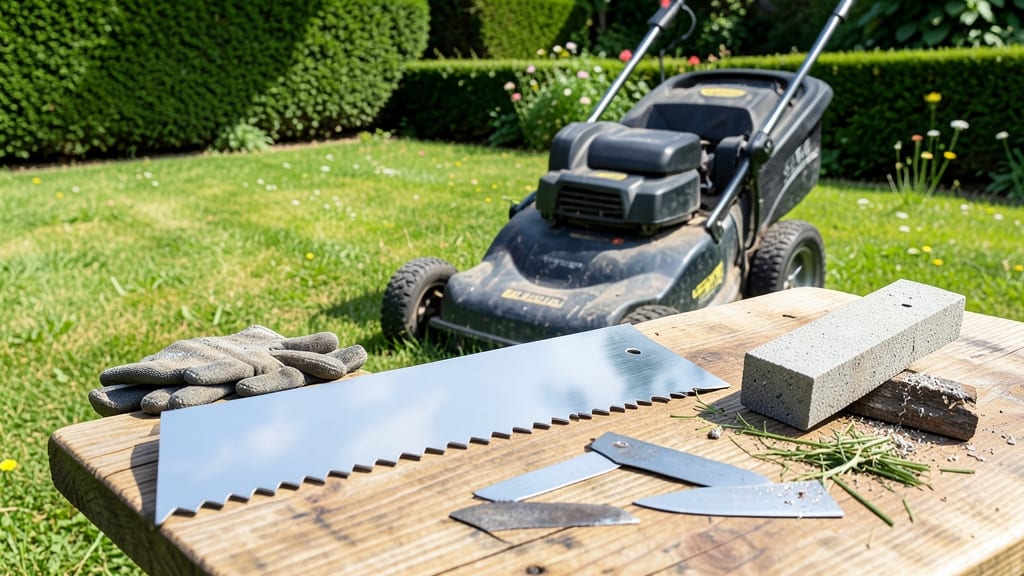
New lawn mower blades do need to be sharpened before first use, as factory edges dull during shipping and storage. Always check for sharpness every 20-30 hours of mowing or when grass clippings appear torn rather than cleanly cut.
Even brand-new blades arrive with microscopic imperfections from the manufacturing process, and shipping vibrations accelerate wear. 🔥 The dullness might seem minor at first, but it causes uneven cuts that stress grass blades, leading to brown tips and an unhealthy lawn over time.
I’ve seen mowers with "sharp" blades out of the box still produce ragged edges—always test with a penny test (if the blade edge can’t cut the penny’s rim, it’s dull). For best results, sharpen blades annually or when you notice resistance while pushing the mower.
Professional sharpening services use specialized angle grinders to restore factory precision, but DIY kits work too if you follow safety protocols. Remember: never sharpen a blade while it’s hot or attached to the mower—always remove it first and secure it in a vise.
The key is consistency: maintaining 30-35 degree angles for most residential mowers ensures clean cuts that promote grass health.
💡 In This Article
- Why Factory-New Lawn Mower Blades Aren’t Always Sharp
- Step-by-Step Guide to Sharpening and Maintaining Mower Blades
Why factory-new lawn mower blades aren’t always sharp
New mower blades arrive with microscopic imperfections from the manufacturing process itself. During stamping or forging, blades experience micro-bends and surface irregularities that aren't visible to the naked eye.
These tiny deformations create uneven edges that dull faster than perfectly honed steel. 🔥 What's worse, shipping vibrations cause blades to rattle against each other in packaging, accelerating wear—think of it like sandpaper action on a microscopic scale.
The real damage happens during storage too. Factory blades sit exposed to air for months, leading to oxidation that forms a thin, hard layer on the cutting edge. This layer is roughly 0.0001 inches thick—so thin you can't see it—but enough to prevent clean cuts.
Compare this to a chef's knife: even a 0.002-inch dulling makes slicing difficult. The difference? Mower blades cut through grass fibers at 3,000-4,000 RPM, where microscopic imperfections become major problems.
Dull blades don't just affect your mowing experience—they harm your lawn. When blades are dull, they crush grass stems instead of cleanly severing them. This creates jagged edges that wick moisture from the plant, leading to brown tips and stress.
Over time, this weakens grass health and makes your lawn more susceptible to disease. I've seen cases where homeowners spent months trying to revive brown patches before realizing their mower blades needed sharpening.
The cutting angle matters too. Most residential mowers use 30-35 degree angles for optimal performance. Factory blades often come with angles that vary by ±2 degrees due to manufacturing tolerances.
When combined with shipping damage, this means some blades might be cutting at 28 degrees—enough to make the difference between clean cuts and torn grass. Professional sharpeners use precision jigs to restore these angles to ±0.5 degrees accuracy.
Here's what happens when you ignore blade sharpness: resistance increases by 20-30% as the mower works harder to push through dull blades. This forces the engine to overwork, wasting fuel and increasing wear on other components.
The grass clippings will appear shredded rather than cleanly cut, looking more like confetti than the neat strips you'd get from sharp blades. For comparison, a dull blade requires 1.5x more force to cut through grass than a properly sharpened one.
Seasoned mower technicians recommend testing blade sharpness with the penny test: hold a penny's edge against the blade. If you can't cut the penny's rim cleanly, the blade needs sharpening.
This simple test reveals what your eyes can't—those microscopic imperfections that make all the difference in your lawn's health and your mower's performance. 💫