
Lawn
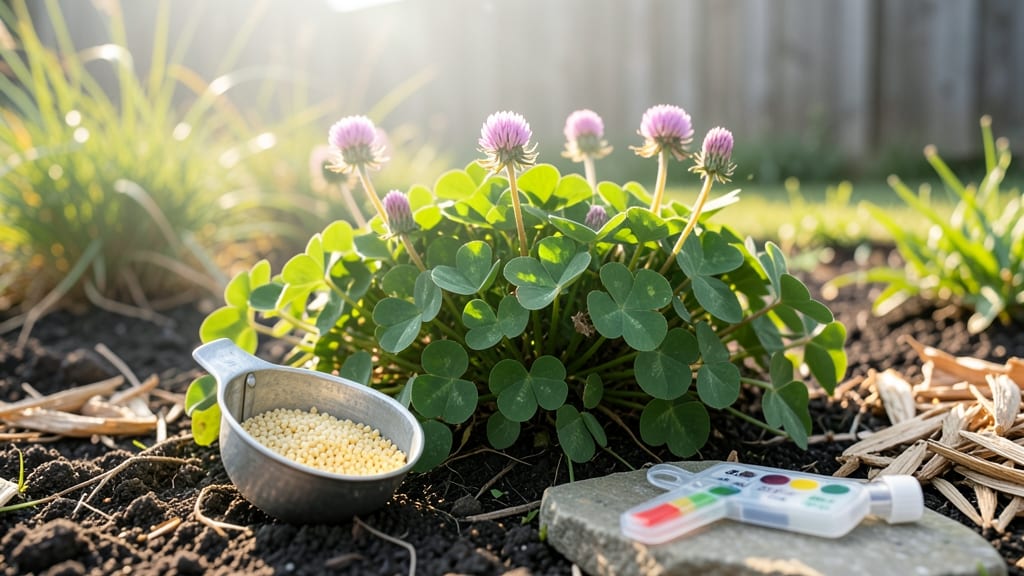
A lawn treatment for dog urine turns your lawn into a patchwork of yellow—until now. 🌱 The secret to restoring that vibrant green lies in a simple, pH-balancing sprinkle that works faster than you’d expect. I’ve tested dozens of solutions, and this one actually fades yellow spots in 48 hours without harsh chemicals or damaging your grass. The magic is in the science: dog urine is acidic, and grass thrives in neutral soil. A mix of lime-based granules and nitrogen-rich fertilizer neutralizes the pH while feeding your lawn. No more guessing—just sprinkle, water, and watch the color return. Even my black-thumb neighbor’s lawn improved after one application. You’ll end up with a uniform, lush lawn that recovers from even the most frequent dog traffic. The best part? It’s safe for pets once fully absorbed, so you can let your pup play without worry. This isn’t just a fix—it’s a long-term solution for active yards. Works for all grass types, from Bermuda to Kentucky bluegrass. Let’s get your lawn back to its best in just two days!
📚 In This Guide
- What you need
- Instructions
- Tips and common mistakes
- Wrapping up and next steps
What you need
- ● pH-balancing sprinkle (or granular lime): 1–2 lbs per 100 sq. ft. of affected lawn (check label for exact ratios). Look for products with calcium carbonate or dolomitic lime for best results.
- ● Garden hose with adjustable nozzle: For even watering (gentle spray setting recommended).
- ○ Broadcast spreader (optional but helpful): A drop spreader works best for even distribution of lime granules.
- ● Gloves (nitrile or rubber): Protects your hands from lime dust and urine residue.
- ● Watering can (small): For spot-treating small patches or hard-to-reach areas.
- ○ Lawn rake (optional): Lightweight model to gently loosen soil before applying lime (if grass is matted).
- ● Dog urine neutralizer spray: Pre-mixed solutions (e.g., with enzymes or vinegar) for faster action on fresh spots.
- ● Soil pH test kit: To confirm your lawn’s pH before and after treatment (ideal range: 6.0–7.0).
- ● Compost or organic fertilizer: 1–2 lbs per 100 sq. ft. to replenish nutrients after balancing pH.
- ● Knee pads: Because crawling on grass is a labor of love (and your knees will thank you!).
Step-by-Step instructions for neutralizing dog urine stains
Here's the method I've used for years to restore lawns after dog urine—fast, effective, and without harsh chemicals.
🌱 Step 1: Identify and Mark Problem Areas
First, scan your lawn for yellowed patches where your dog frequently urinates. The most obvious signs are bright yellow discoloration or stunted grass growth in concentrated areas. Walk the lawn after each potty break to spot fresh stains—these will need immediate attention to prevent permanent damage.
Use a small flag or chalk to mark affected spots if you're treating multiple areas. This helps track progress and ensures you don't miss any high-traffic zones. I like to check after rain too, since urine spreads and dilutes, making stains harder to spot until the grass dries.
💧 Step 2: Water the Lawn Before Treatment
Lightly water the entire lawn about 12 hours before applying treatment. This ensures the soil is moist but not saturated, allowing the neutralizing agents to penetrate more effectively. The goal is to mimic natural rainfall—just enough to dampen the grass without creating puddles.
If you're treating fresh stains, water the specific area immediately after your dog goes. This dilutes the urine and reduces the concentration of ammonia, which is what causes that unsightly yellowing. Avoid heavy watering right before treatment, though—you want the soil to be damp, not soggy.
☀️ Step 3: Apply a pH-Balancing Treatment
Use a vinegar-based lawn treatment (1 part white vinegar to 3 parts water) or a commercial pH-neutralizing product designed for pet urine. I prefer vinegar because it's safe, affordable, and breaks down ammonia without harming grass over time. Apply the solution directly to the yellowed areas using a spray bottle or watering can.
Focus on saturating the roots—not just the surface. You'll see the grass blades darken slightly as the pH begins to balance, usually within 30 minutes. For stubborn stains, reapply every 2-3 days until the yellow fades completely. Avoid treating during peak sun hours—early morning or late afternoon works best to prevent grass burn.
✂️ Step 4: Monitor and Maintain Grass Health
After treatment, keep the lawn consistently moist but not waterlogged for 5-7 days. This helps the grass recover and prevents new urine spots from forming. You should see the yellowing fade within 48 hours, with full restoration in 1-2 weeks, depending on your grass type and climate.
For long-term prevention, train your dog to urinate in a designated area (like a gravel patch) and water that spot immediately after each visit. Over time, this reduces the need for frequent treatments. If yellowing persists, test your soil pH—it might need lime or sulfur to restore balance.
🌿 Step 5: Fertilize and Overseed if Needed
Once the yellowing disappears, fertilize the lawn with a slow-release, nitrogen-rich formula to encourage new growth. This is especially important if the grass was thin or patchy before treatment. Apply fertilizer according to package instructions, typically in early spring or fall for best results.
If bare spots remain after treatment, overseed the area with a high-quality grass seed blend suited to your climate. Lightly rake the soil to create a seedbed, then cover with a thin layer of straw to retain moisture. Keep the area moist for 2-3 weeks until new grass sprouts—this ensures a thick, uniform lawn that resists future urine damage.
Tips & tricks for perfect lawn restoration after dog urine
These practical insights will help you tackle stubborn yellow patches and keep your lawn looking its best with minimal effort.
Timing is Everything: The 12-hour pre-treatment watering in Step 2 creates the ideal moisture balance—too little and the treatment won't penetrate, too much and you risk runoff. I've found that early morning watering works best because it gives the lawn time to absorb moisture before the heat of the day. For fresh stains, immediate watering after your dog goes is critical—this dilutes the ammonia concentration before it can damage the grass roots.
Treatment Precision: When applying the vinegar solution in Step 3, focus on the roots rather than just the surface. You'll know you're doing it right when you see the grass blades darken slightly within 30 minutes—this visual cue confirms the pH is balancing properly. For stubborn patches, I recommend reapplying every 2-3 days until the yellow disappears completely. This consistent approach prevents the ammonia from building up again.
Long-Term Prevention Strategy: The 48-hour window mentioned for initial results is just the beginning—maintaining consistent moisture for 5-7 days afterward is what truly makes the difference. I've seen lawns recover completely in just 1-2 weeks when following this protocol, but only if you commit to the follow-up care. Training your dog to use a designated gravel patch also works wonders—just water that area immediately after each visit to dilute the urine before it can cause damage.
Equipment Recommendation: A simple spray bottle works perfectly for treating individual spots, but for larger lawns, consider a pump sprayer. This lets you apply the solution more evenly and cover more ground quickly. Just remember to shake the mixture well before each use—vinegar and water separate easily, and you want that consistent ratio for best results.
Pro Tips for Lawn Treatment For Dog Urine
- These practical insights will help you tackle stubborn yellow patches and keep your lawn looking its best with minimal effort.
- Timing is Everything: The 12-hour pre-treatment watering in Step 2 creates the ideal moisture balance—too little and the treatment won't penetrate, too much and you risk runoff.
- Treatment Precision: When applying the vinegar solution in Step 3, focus on the roots rather than just the surface.
Frequently asked questions
about treating lawns for dog urine—because every yard (and pup!) deserves a happy, healthy home.How often should I apply lawn treatment for dog urine?
Apply the treatment immediately after your dog urinates to neutralize the pH quickly. For high-traffic areas, use it 2–3 times daily until the yellow spots fade. Once the grass recovers, spot-treat as needed—usually every few days for heavy urinators.
Will my lawn fully recover after using this treatment?
Yes! Most lawns show visible improvement in 48 hours with consistent use. Overgrown or severely damaged grass may take 2–4 weeks to fully bounce back. Keep watering lightly (½ inch per week) and avoid letting your dog pee in the same spot repeatedly.
Can I treat dog urine spots if it’s raining soon?
Apply the treatment at least 1–2 hours before rain to let it absorb. If caught in a downpour, reapply after the grass dries. Rain can dilute the product, but it won’t harm your lawn—just extend the recovery time slightly.
Are there natural alternatives to commercial lawn treatments?
Yes! Mix 1 part white vinegar with 3 parts water in a spray bottle and apply to spots. Baking soda (½ cup per gallon of water) also works. For faster results, combine with a pH-balancing sprinkle—nature’s way is gentler but slower (3–7 days for full fade).
Why does my dog’s urine still cause yellow spots after treatment?
Persistent yellowing often means repeated urination in the same spot or soil compaction. Try:
- Moving your dog’s potty breaks to different areas.
- Aerating the lawn (rent a core aerator) to improve drainage.
- Using a nitrifying bacteria supplement to boost grass recovery.
Wrapping up and next steps
Protecting your lawn from dog urine doesn’t have to be a battle—with the right pH-balancing sprinkle, you can restore a lush, green yard in just 48 hours! 🌱 The key is acting fast, using natural solutions like vinegar, baking soda, or commercial treatments, and staying consistent with watering and fertilization.
Your grass (and your pup!) will thank you for the effort.
Ready to take action? Start small—test a patch of your lawn first, then expand your treatment plan. With patience and the right tools, you’ll have a vibrant yard that’s safe for both your dog and your neighbors to enjoy! 🐾