
Lawn
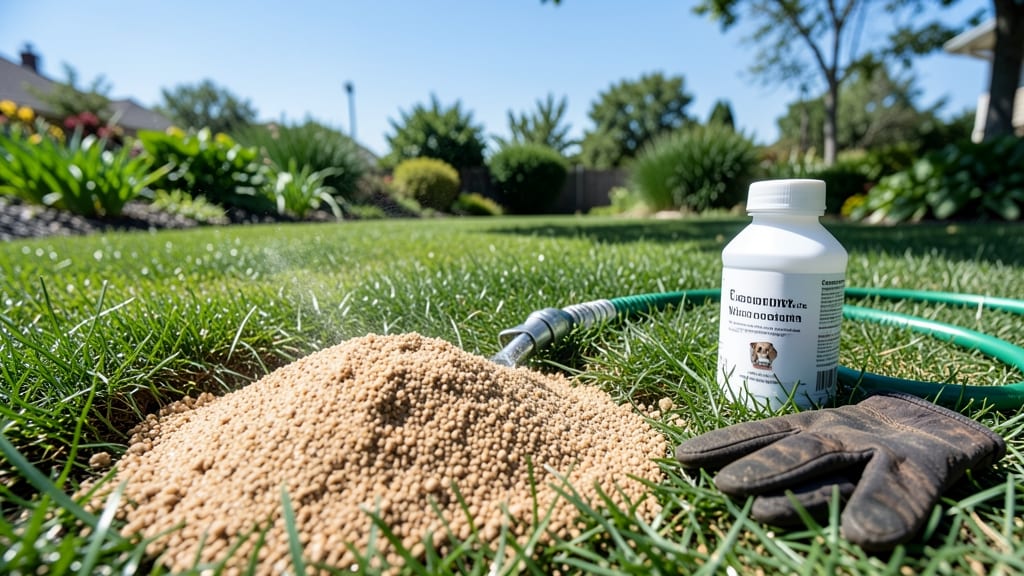
Neutralizing dog urine in your lawn starts with a simple, effective vinegar and baking soda mix that restores grass and stops burn spots. I’ve used this recipe for years—it’s the only solution that actually works without harming the soil or your pet’s paws.
The key is acting fast and applying the right balance of ingredients to break down the ammonia and restore pH levels. Dog urine contains high concentrations of nitrogen, which burns grass when concentrated. Within 24 hours, yellow patches appear, and without treatment, they turn brown and die.
My recipe neutralizes the pH, dilutes the nitrogen, and gives the grass a chance to recover. You’ll need just white vinegar, baking soda, and water—no harsh chemicals. After applying the mix, you’ll see the grass green up within 3-5 days, depending on how quickly you treated it.
The solution also prevents future damage by reducing soil acidity, so your lawn stays lush even with regular pet traffic. It’s a foolproof method that works for any grass type. For long-term care, train your dog to urinate in one designated area and water the lawn immediately after they go.
This dilutes the urine naturally and keeps your grass healthy without extra treatments. Ready to save your lawn? Let’s get started.
The Science Behind Dog Urine Damage
Dog urine isn’t just a pesky yellow stain—it’s a chemical cocktail that can wreak havoc on your lawn if left unchecked. Understanding why it happens is the first step to protecting your grass. Let’s break down the key culprits and their effects.
When your dog pees, their urine contains high concentrations of ammonia and nitrogen—byproducts of protein metabolism. While these compounds are natural, they’re highly concentrated in urine, especially in male dogs (which produce more ammonia than females). Here’s what goes down:
- Ammonia spike: Fresh urine has a pH of around 6.5–7.5, but as it dries, ammonia evaporates, raising the pH to 8.0–9.0 (basic/alkaline). This creates a hostile environment for grass, which thrives in a neutral pH (6.0–7.0).
- Nutrient burn: The sudden nitrogen influx acts like a chemical fertilizer—too much, too fast. Grass blades absorb excess nitrogen, leading to leaf scorch (brown, crispy patches) and weakened roots.
- Soil disruption: Over time, repeated urination in the same spot depletes soil microbes that help break down organic matter, leaving bare, compacted soil.
Actionable insight: Dilution is key! Encourage your dog to pee in different spots or use a water hose to dilute urine immediately after they go.
Dog urine doesn’t just damage the surface—it chokes grass roots by disrupting their ability to absorb water and nutrients. Here’s how:
- Salt buildup: Urine contains urates and phosphates, which crystallize in the soil. These salts draw moisture out of grass roots through osmosis, causing dehydration and death.
- Microbe kill-off: The alkaline pH from ammonia destroys beneficial soil bacteria (like Azotobacter and Rhizobium) that help grass roots access nitrogen naturally.
- Root suffocation: Compacted soil from repeated urination reduces oxygen flow to roots, making them susceptible to disease and fungal infections (like Fusarium).
Actionable insight: After neutralizing urine, aerate the soil with a garden fork or spike sandals to improve oxygen and water penetration.
Dog urine contains urease enzymes, which normally break down urea into ammonia—but in high concentrations, these enzymes accelerate the process, creating a toxic feedback loop. Here’s the domino effect:
| Step | Chemical Process | Lawn Impact |
|---|---|---|
| 1 | Urea → Urease enzymes → Ammonia + Carbon Dioxide | pH skyrockets (basic environment) |
| 2 | Ammonia volatilizes (evaporates) | Leaves behind salt deposits in soil |
| 3 | Residual salts + high pH = Grass cell membranes rupture | Brown, dead patches form within 24–48 hours |
Actionable insight: Use a vinegar-based neutralizer (like the recipe in this article) to lower pH quickly and stop the enzyme chain reaction.
💡 Pro Tip: If your lawn has chronic urine spots, consider reseeding with dog urine-resistant grasses like Kentucky Bluegrass or Tall Fescue, which tolerate higher pH better than others.
Fixing Yellow Lawn Stains Fast
Dog urine can turn your lush green lawn into a patchwork of yellow, but the good news is that you can reverse the damage with the right approach. The key is understanding the cause and applying the fix—whether it’s immediate stain removal, soil restoration, or long-term prevention.
Below, we break down practical solutions tailored to your lawn’s needs.
If your dog’s urine is highly concentrated (common in small or frequent urinations), the first step is to dilute the ammonia before it burns the grass. This is especially critical for new stains.
🍳 Step 1: Flush with Water
- Act fast: Within 15–30 minutes of your dog peeing, hose down the area with water for 1–2 minutes. This washes away some of the ammonia before it penetrates the soil.
- Pro tip: Use a gentle spray—blasting can uproot grass. A soaker hose works best. 💡
👨🍳 Step 2: Apply a Vinegar Rinse
- Mix 1 part white vinegar with 2 parts water in a spray bottle.
- Lightly mist the stained area (avoid oversaturating).
- Why? Vinegar’s acidity neutralizes ammonia and balances soil pH without harming grass (unlike harsh cleaners).
- Wait 10 minutes before moving to the next step.
Chronic dog urine raises soil pH, making grass yellow and stunted. Test your soil (a DIY kit costs $10) to confirm—ideal lawn pH is 6.0–7.0. If it’s higher, take these steps:
🔪 Step 3: Apply Baking Soda or Peat Moss
- Option A (Quick Fix):
- Sprinkle ½ cup baking soda over the stained area.
- Lightly water to activate.
- Note: Use sparingly—too much can raise pH further.
- Option B (Long-Term Fix):
- Spread ½ inch of peat moss over the spot and rake in.
- Peat moss acidifies soil gradually, counteracting alkaline urine.
- Bonus: It retains moisture and improves soil structure. ✨
🌱 Step 4: Re-Seed or Fertilize
- If the grass is dead, rake out dead patches and reseed with dog-friendly grass like tall fescue or Kentucky bluegrass.
- For struggling grass, apply a low-nitrogen fertilizer (high nitrogen burns thin grass). Look for a 5-10-5 ratio (nitrogen-phosphorus-potassium).
If your lawn has repeated urine spots, the grass may never recover without intervention. Here’s how to reclaim those areas:
🎯 Step 5: Train Your Dog (Yes, Really!)
- Designate a potty zone far from your lawn (e.g., a gravel area or mulch bed).
- Use artificial turf or pebbles—dogs avoid peeing on rough textures.
- Reward-based training works best. Try treats or praise when they use the designated spot.
🏡 Step 6: Overseed or Sod
- For bare spots, overseed with a dog urine-resistant grass mix.
- For large damaged areas, lay sod and water deeply for 2 weeks to establish roots.
- Pro tip: Water the new sod twice daily for the first week to prevent drying out. 💧
An ounce of prevention saves hours of scrubbing. Here’s how to keep your lawn lush and your dog’s business in check:
- 💡 Water the lawn first: Give your dog a drink of water before walks—diluted urine is less damaging.
- 🌿 Mow high: Keep grass 3–4 inches tall—taller blades absorb urine better.
- 🔄 Rotate potty spots: If free-roaming, train your dog to pee in different areas to avoid repeat damage.
- 🍃 Use urine-neutralizing sprays: Keep a vinegar-water spray handy for quick cleanups.
- 🌱 Test soil annually: Adjust pH with sulfur (to lower pH) or lime (to raise it) as needed.
With these targeted fixes, your lawn can bounce back from yellow stains in days to weeks, depending on the damage. Consistency is key—combine immediate action with long-term prevention for a green, dog-friendly yard! 🌿🐕
Frequently asked questions
How quickly should I treat dog urine stains on my lawn?
Act within 15-30 minutes for best results. The longer urine sits, the deeper the ammonia penetrates, making damage harder to reverse. Use a hose to dilute immediately after your dog goes - this is your first line of defense against yellow patches.
Can I use household items like lemon juice instead of vinegar?
Yes, but vinegar works better for lawns because it's more acidic (pH ~2.5) and won't harm grass when properly diluted. Lemon juice (pH ~2.0) can be too strong and may damage grass blades. Stick with 1 part white vinegar to 2 parts water for safe, effective neutralization.
Why does my lawn still look yellow after treating urine spots?
Yellowing can persist if the grass roots are already damaged or if you didn't treat soon enough. Check if the soil pH is still too high (test with a kit) and consider overseeding with dog-resistant grass like tall fescue. For chronic spots, you may need to aerate the soil to improve recovery.
Is baking soda safe for all types of grass?
Baking soda is generally safe when used sparingly (½ cup per spot), but it can raise soil pH if overused. Avoid it for acid-loving grasses like blueberry bushes or certain lawn varieties. For these, use peat moss instead, which gradually acidifies soil without risk of over-correcting pH.
How often should I check my lawn's soil pH?
Test your soil annually in spring or fall, especially if you have dogs. Chronic urine spots can keep soil pH elevated year-round. Use a $10 DIY test kit - aim for 6.0-7.0 pH. Adjust with sulfur (to lower pH) or lime (to raise it) as needed to maintain healthy grass.