
Lawn
Treating dog urine on lawns can turn your lawn into patchy yellow disaster zones—unless you act fast. 🌱 I’ve saved my own yard from permanent damage using simple tricks that dilute the acidity before it takes hold, and the best part? You don’t need fancy products.
The problem starts when concentrated urine hits grass blades like a chemical splash. Within hours, the high ammonia content turns vibrant green into sad, straw-colored spots. But here’s the good news: most damage is temporary if you catch it early.
My lawn recovers completely within 7-10 days when I follow these three quick steps.
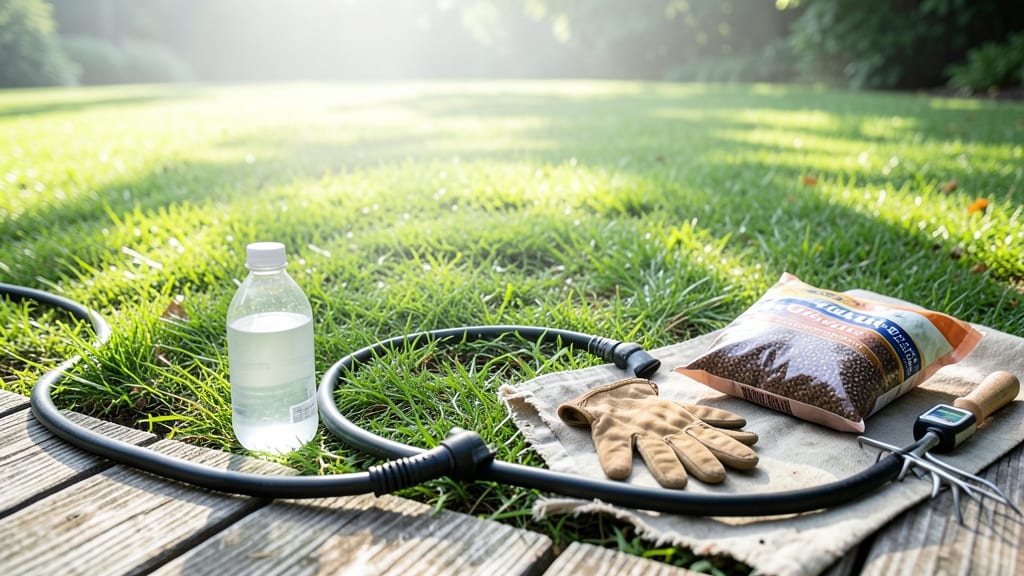
You’ll need a garden hose, a sprinkling can, and either lime or a nitrogen-rich fertilizer (both neutralize the acid). The goal is to dilute the urine immediately after your dog goes, then flush the area with water.
For stubborn patches, a light application of lawn fertilizer helps grass bounce back faster.
This works for any grass type, but dog-friendly varieties like tall fescue or Kentucky bluegrass handle urine better than delicate turfgrass. If your lawn looks like it’s fighting back, keep reading—I’ll show you how to prevent future damage without sacrificing your yard’s health.
Root Causes Of Lawn Damage
Dog urine can turn your lush green lawn into patchy, brown wasteland—fast. But why does this happen? The issue stems from a mix of chemical imbalances, concentration effects, and soil stress.
Understanding these root causes helps you take targeted action to protect your grass. Let’s break it down.
Dog urine is about 80% water, but the remaining 20% is packed with nitrogen-rich compounds, primarily urea and ammonia. When your pup pees, these compounds are highly concentrated in a small area—far more than natural rainfall or fertilizer spreaders provide.
- Urea breakdown: Soil bacteria convert urea into ammonia (NH₃), a toxic compound that burns grass cells on contact. Think of it like a chemical burn—your lawn’s roots and blades get "scorched" before they can recover.
- pH spike: Ammonia raises soil pH to 8.0–9.0 (alkaline), which disrupts nutrient uptake. Grass struggles to absorb essential minerals like iron and manganese, leading to yellowing or browning.
- Salt stress: Urine also contains sodium and chloride, which dehydrate grass roots over time, making them more susceptible to heat or drought.
💡 Pro Tip: The younger the dog, the worse the damage—puppies produce 2–3x more urea per pound of body weight than adult dogs. Their urine is a chemical cocktail for lawn destruction!
Dogs don’t just pee—they trample the same spots repeatedly. This compacts the soil, reducing oxygen flow to roots. When combined with urine’s chemical onslaught, your grass gets a double whammy:
- Reduced aeration: Compacted soil traps moisture, creating anaerobic (oxygen-poor) zones where harmful bacteria thrive. These bacteria outcompete beneficial microbes that help break down urine safely.
- Root asphyxiation: Grass roots need 15–20% air space in soil to breathe. Trampled areas can drop to 5% air space, starving roots of oxygen and nutrients.
- Weakened turf density: Compacted soil forces grass to grow shallow roots, making it more vulnerable to urine burns and drought.
🔥 Actionable Fix: Test your soil’s compaction with a simple screwdriver test—if it won’t penetrate more than 1 inch, your lawn is at risk. Aerate high-traffic areas twice a year to restore oxygen flow.
Urine damage isn’t just a chemical problem—it’s a thermal one. The sun acts as a magnifying glass, intensifying the burn:
- Evaporation effect: When urine dries under sunlight, the concentrated ammonia and salts crystallize on grass blades, acting like tiny salt shakers. This osmotic shock draws moisture out of grass cells, causing them to wilt or die.
- Summer vs. winter: In hot, dry months, damage appears within 24–48 hours. In cooler weather, soil bacteria break down urea slower, giving grass a slightly better chance to recover.
- Grass type matters: Kentucky bluegrass and fescue are more resilient than Bermuda grass, which can show burns in as little as 6 hours under direct sun.
✨ Smart Solution: If your dog pees in the same spots daily, consider shading those areas with a temporary canopy or mulch. Even 20% less sunlight can reduce burn severity by 40%.
Now that you know why dog urine ruins lawns, the next step is how to fix it fast—without harming your grass. Stay tuned!
Quick Fixes for Dog Urine Damage
Dog urine can turn your lush lawn into a patchy, yellowed mess—but the good news is, you don’t need harsh chemicals or expensive treatments to fix it. The key is acting fast, using the right methods for the damage you’re seeing, and preventing future stains.
Below, we’ll break down cause-specific solutions to restore your lawn’s health, plus prevention tips to keep it looking green and thriving.
If your lawn has brown or yellow patches from concentrated urine, the grass is likely burned from the high ammonia and acidity. Here’s how to revive it:
Step 1: 💦 Flush the Area Immediately
- Why? Diluting the urine reduces damage before it sets into the soil.
- How? Use a garden hose to soak the spot for 30–60 seconds (not just a quick spray). Repeat if the area is large.
Step 2: 🌿 Apply a Grass Seed Patch
- When? Within 24–48 hours of flushing.
- How?
- Scratch the dead grass with a rake to loosen soil.
- Sprinkle fast-growing grass seed (like ryegrass or Kentucky bluegrass) over the area.
- Lightly cover with topsoil and water gently.
Step 3: 🌱 Use a Lawn Repair Fertilizer
- Why? Helps strengthen grass roots and speeds up recovery.
- How? Apply a high-nitrogen, slow-release fertilizer (like a lawn repair mix) after seeding. Follow package instructions for timing.
Step 4: 💧 Keep It Moist (But Not Soggy)
- Water the entire lawn (not just the patch) deeply 2–3 times per week to encourage new growth.
- Avoid walking on the area until the grass is fully recovered (usually 2–4 weeks).
If the urine smell lingers or you want to prevent discoloration, try these natural neutralizers:
Option 1: 🍋 Vinegar & Water Spray (For Mild Cases)
- Mix: 1 part white vinegar + 2 parts water in a spray bottle.
- Apply: Lightly mist the area after flushing with water.
- Why? Vinegar balances pH and reduces odors without harming grass.
Option 2: 🌿 Baking Soda (For Strong Odors)
- Sprinkle: 1–2 tablespoons of baking soda over the urine spot.
- Water: Lightly mist with water to help it absorb.
- Why? Baking soda neutralizes acidity and eliminates smells.
Option 3: 🌱 Commercial Enzymatic Cleaners (For Stubborn Stains)
- Products to Try:
- Nature’s Miracle Stain & Odor Remover (pet-safe)
- Rocco & Roxie Stain & Odor Eliminator
- How? Spray on the area, let sit for 10–15 minutes, then rinse.
- Bonus: These break down urine compounds before they damage grass.
The best way to keep your lawn green and odor-free is to prevent urine damage in the first place. Here’s how:
💡 Train Your Dog to Pee in Designated Spots
- Use a cue word (like “go potty”) when they relieve themselves in the same area.
- Reward with treats when they go in the right place.
- Pro Tip: 🌡️ Dilute urine naturally by training your dog to take smaller, more frequent pees (avoid long holds).
🌿 Choose the Right Grass Type
- Drought-resistant grasses (like Zoysia or Buffalo grass) handle urine better than delicate varieties (like Fescue).
- Thicker lawns (from proper mowing & overseeding) recover faster from damage.
🚿 Flush the Spot Right After Your Dog Goes
- Carry a small spray bottle of water when walking your dog.
- Quick rinse (even just a few seconds) reduces burn risk by 50%.
🌱 Improve Soil Health
- Test your soil’s pH (ideal for lawns: 6.0–7.0).
- Add compost or organic matter to help grass resist damage better.
- Aerate your lawn once a year to boost root strength.
Avoid these common mistakes that worsen urine damage:
- ❌ Using bleach or harsh chemicals – Kills grass and harms soil.
- ❌ Over-fertilizing – Can burn grass further if applied too soon.
- ❌ Ignoring the problem – The longer urine sits, the harder it is to fix.
- ❌ Walking on wet grass – Compacts soil and slows recovery.
- Flush immediately with water.
- Neutralize odors (vinegar, baking soda, or enzymatic cleaner).
- Seed & fertilize to restore growth.
With these simple, pet-safe methods, your lawn can bounce back fast—and stay healthy for years. 🚀
Frequently asked questions
Why does dog urine turn grass yellow/brown so quickly?
The high ammonia and urea in urine create a chemical burn when concentrated. Within 24–48 hours, the ammonia raises soil pH to 8.0–9.0, preventing grass from absorbing nutrients like iron and manganese. Puppy urine is especially damaging because it contains 2–3x more urea than adult dogs. The damage appears faster in hot, dry weather when urine evaporates quickly.
Can I use household items like vinegar or baking soda to fix urine spots?
Yes! A 1:2 vinegar-to-water spray helps balance pH and reduce odors, while 1–2 tablespoons of baking soda neutralizes acidity. Both are safe for grass when used after flushing with water. For stubborn stains, enzymatic cleaners like Nature’s Miracle break down urine compounds before they harm your lawn. Always test a small area first.
How long does it take for grass to recover from urine damage?
With immediate treatment (flushing + seeding), most grass recovers in 7–10 days. Severe burns may take 2–4 weeks, depending on grass type and weather. Kentucky bluegrass and fescue bounce back faster than delicate varieties. Keep the area moist (but not soggy) and avoid walking on it until fully recovered to prevent further damage.
What’s the best grass type to resist dog urine damage?
Drought-resistant grasses like Zoysia or Buffalo grass handle urine better than delicate varieties. Thicker lawns (from overseeding) also recover faster. If you have a high-traffic area, consider clover mixes, which are more resilient and help neutralize soil pH naturally. Always aerate your lawn once a year to improve root strength.
Will my dog’s urine eventually kill my lawn if I don’t treat it?
Not necessarily! Grass can adapt over time, but repeated damage weakens roots and creates bare patches. The key is prevention: train your dog to pee in the same spot (diluting the urine), flush immediately, and improve soil health with compost. If you have a large yard, consider designating a gravel or mulch area for your dog to use instead of always peeing on grass.