
Fertilization
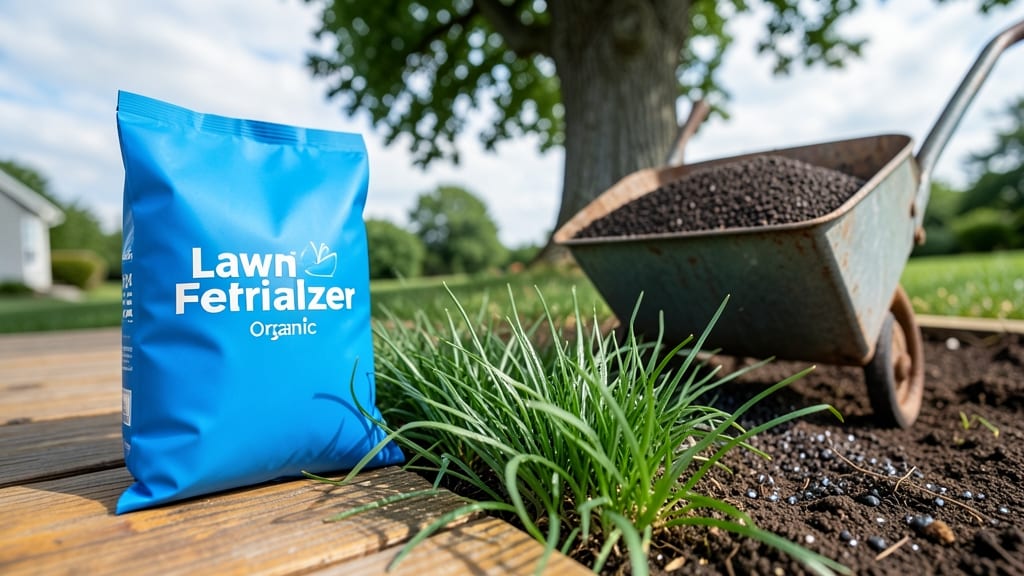
My lawn went from patchy to lush after switching to Espoma organic lawn fertilizer—and it’s all about that slow-release magic. 🌱 Unlike fast-acting synthetics, this stuff feeds grass roots steadily, so you’re not chasing quick fixes that burn plants or wash away in rain.
The secret’s in the organic blend: composted materials that mimic natural soil nutrition, giving your lawn deep, long-lasting strength. You’ll notice the difference within 4-6 weeks of first application, with thicker blades that crowd out weeds and recover faster from foot traffic.
It’s perfect for spring and fall feedings, when grass is actively growing but not stressed by heat. Just spread it evenly with a spreader, water lightly, and let the microbes do the work—no guesswork, no overfeeding. The best part? It plays well with others.
Pair it with a light topdressing of compost in spring to boost soil structure, and avoid synthetic fertilizers that disrupt the organic balance. Even drought-prone lawns respond better because the nutrients stay put instead of leaching away.
For best results, test your soil first (Espoma sells kits) to tweak nitrogen levels. Over time, you’ll need it less often—my lawn thrives on two applications per year instead of the four I used to force-feed it. Healthy grass isn’t just about looks; it’s about resilience that lasts.
📚 In This Guide
- What you need
- Instructions
- Tips and common mistakes
- Wrapping up and next steps
What you need
- ● Espoma Organic Lawn Fertilizer – 15-0-5 organic fertilizer (choose a 25 lb bag for small yards or 50 lb bag for larger areas; adjust based on lawn size).
- ● Broadcast spreader (for even distribution) – Adjustable settings for granular fertilizers (e.g., Scotts Turf Builder or Brillion models).
- ● Garden hose with spray nozzle (for wetting soil before/after application).
- ● Gloves (nitrile or rubber) – To protect hands from fertilizer and soil.
- ○ Lawn mower (optional but helpful) – Ensure grass is mowed to 2.5–3.5 inches before fertilizing.
- ● Calibrated spreader (for precision) – Ensures consistent coverage.
- ● Soil test kit – Check pH and nutrient levels before fertilizing.
- ● Knee pads or a caddy – For comfort during manual spreading.
- ● Rain cover or tarp – To protect fertilizer from rain for 24–48 hours post-application.
Instructions for applying Espoma organic lawn fertilizer
Here’s how to transform your lawn into a lush, resilient carpet using Espoma’s slow-release formula—no guesswork, just science-backed results.
🌱 Step 1: Prepare the Lawn for Fertilizer Application
Mow your lawn to a height of 3-4 inches before applying fertilizer. This ensures even coverage and prevents clipping buildup from blocking nutrients. Use a sharp mower blade—dull blades tear grass, stressing it before it even gets the fertilizer. If your lawn has thatch over ½ inch thick, lightly rake or dethatch first to improve nutrient absorption.
Check for bare spots or weeds—these are your lawn’s weak points. Espoma’s organic formula won’t harm weeds, but you’ll see better results if you address them first. Water the lawn lightly the day before application to settle the soil. You want the top ½ inch damp, not soggy—this helps granules adhere to blades and roots.
💧 Step 2: Apply Espoma Fertilizer Evenly Across the Lawn
Use a broadcast spreader set to the recommended rate on the Espoma bag (typically 20-25 lbs per 1,000 sq ft). Walk in a crisscross pattern—first lengthwise, then widthwise—to avoid streaks. Keep the spreader 6-12 inches above the grass for consistent coverage. If you’re fertilizing a small area, use a drop spreader for precision.
Pause mid-application to check for missed spots. Step back and scan the lawn—you should see a uniform layer of granules, not heavy patches. Over-applying won’t speed up results; it can burn grass or waste product. For slopes, apply fertilizer uphill to prevent runoff.
☀️ Step 3: Water Immediately After Application
Within 15-30 minutes of spreading, water the lawn deeply to activate the slow-release nutrients. Aim for ½ to ¾ inch of water—enough to moisten the soil 4-6 inches deep. This ensures granules dissolve and nutrients reach the root zone. Use a rain gauge or tuna can to measure water depth; most sprinklers overapply.
Water in two sessions if your lawn is large: first half in the morning, second half in the evening. This prevents runoff and gives granules time to absorb. Avoid fertilizing if rain is forecast within 24 hours—the nutrients will wash away before the grass can use them.
⏰ Step 4: Maintain a Consistent Feeding Schedule
Espoma’s slow-release formula feeds your lawn for 6-8 weeks per application, but timing matters. For cool-season grasses (like Kentucky bluegrass), apply in early fall and early spring. For warm-season grasses (like Bermuda), fertilize in late spring and early summer. Never apply when grass is dormant or under stress—it won’t absorb nutrients effectively.
After each application, monitor your lawn for 2-3 weeks. Healthy grass will show darker green color, improved density, and stronger blades. If you notice yellowing or thinning, you may have over- or under-applied. Adjust the spreader settings next time—Espoma’s formula is forgiving, but consistency is key.
🌿 Step 5: Pair Fertilizer with Proper Lawn Care
Fertilizer alone won’t fix a struggling lawn. Mow regularly (never remove more than ⅓ of the blade height at once) and water deeply but infrequently (1-1.5 inches per week). Aerate once a year in spring or fall to relieve compacted soil—this lets roots access nutrients and water. Espoma’s organic blend works best in well-aerated, slightly acidic soil (pH 6.0-7.0).
Watch for pests or diseases after fertilizing. A stronger lawn resists them, but stress from overwatering or poor drainage can invite problems. If you see fungal spots or insect activity, treat immediately—Espoma’s formula supports resilience, but it’s not a cure-all. Keep a lawn care journal to track when you applied fertilizer, how your grass responded, and any adjustments you made.
Tips & tricks for perfect Espoma organic lawn fertilizer application
Transforming your lawn into a vibrant green carpet starts with these game-changing tips that make Espoma’s organic formula work its magic—no guesswork, just science-backed results.
Preparation is Everything: Before you even touch that spreader, take 10 minutes to walk your lawn and identify trouble spots. Look for thin patches, bare soil, or thatch buildup over ½ inch—these are the areas where nutrients will struggle to penetrate. I’ve seen lawns go from patchy to lush overnight simply by addressing these weak points first. Use a sharp mower blade (dull blades tear grass) and water lightly the day before to settle the soil—this ensures the granules stick where they need to go.
Spread Like a Pro: The 20-25 lbs per 1,000 sq ft recommendation isn’t arbitrary—it’s calibrated for optimal nutrient delivery. Walk in that crisscross pattern (lengthwise then widthwise) and keep the spreader 6-12 inches above the grass for even coverage. Pro tip: Pause mid-application to scan for missed spots. I once missed a 3-foot strip in my backyard because I rushed—now I always check from the driveway before moving on.
Watering Wisdom: The 15-30 minute window to water after spreading is critical. Use a rain gauge to measure ½ to ¾ inch of water—most sprinklers overapply, wasting nutrients. For large lawns, split watering into morning and evening sessions to prevent runoff. And here’s the kicker: If rain is forecast within 24 hours, skip the fertilizer—those nutrients will just wash away before your grass can use them.
Monitor and Adjust: After each application, keep a 2-3 week watch for signs of over- or under-application. Darker green color and denser blades mean you’re on track. Yellowing or thinning? Adjust your spreader settings next time—Espoma’s formula is forgiving, but consistency is key. I’ve learned the hard way that patience pays off; don’t expect miracles overnight.
Pro Tips for Espoma Lawn Fertilizer
- Transforming your lawn into a vibrant green carpet starts with these game-changing tips that make Espoma’s organic fo...
- Preparation is Everything: Before you even touch that spreader, take 10 minutes to walk your lawn and identify troubl...
- Spread Like a Pro: The 20-25 lbs per 1,000 sq ft recommendation isn’t arbitrary—it’s calibrated for optimal nutrient ...
Frequently asked questions
Got questions about Espoma lawn fertilizer?
You’re not alone! Here are answers to the most common ones to help you get the best results for your grass.
How often should I apply Espoma organic lawn fertilizer?
For most lawns, apply Espoma organic lawn fertilizer every 6-8 weeks during the growing season (spring through fall). Follow the label’s specific recommendations based on your grass type and local climate. Over-fertilizing can harm grass, so consistency is key!
Can I use Espoma fertilizer on new grass seed?
Wait until your new grass has established roots (about 3-4 weeks) before applying Espoma. Young seedlings are sensitive to fertilizer. Use a starter fertilizer first, then switch to Espoma for ongoing care.
Is Espoma better than synthetic fertilizers?
Espoma is a slow-release, organic option that improves soil health long-term, unlike synthetic fertilizers that provide quick but short-lived results. It’s ideal for eco-conscious gardeners and those with organic certification goals. However, synthetics may work faster for rapid greening.
What should I do if my lawn turns yellow after applying Espoma?
Yellowing can signal over-fertilization or nutrient imbalance. Stop applying until the grass recovers, then water deeply to flush excess nutrients. If the issue persists, test your soil’s pH and nutrient levels—Espoma may need to be adjusted based on results.
Does Espoma work in all climates?
Espoma is versatile but performs best in moderate climates. In hot, dry areas, pair it with extra watering to prevent burn. For cold regions, apply in early spring before heavy frost. Always check the label for climate-specific tips!
Wrapping up and next steps
A lush, vibrant lawn isn’t just a dream—it’s a reality with the right care, and Espoma Organic Lawn Fertilizer is your secret weapon. 🌱 By choosing slow-release, organic nutrition, you’re investing in long-term health, fewer applications, and a greener yard that stands out in the neighborhood.
Ready to transform your outdoor space?
Take the next step: test a small section of your lawn with Espoma this season, observe the difference, and let your grass do the talking. Your future self (and your lawn) will thank you!