
Lawn
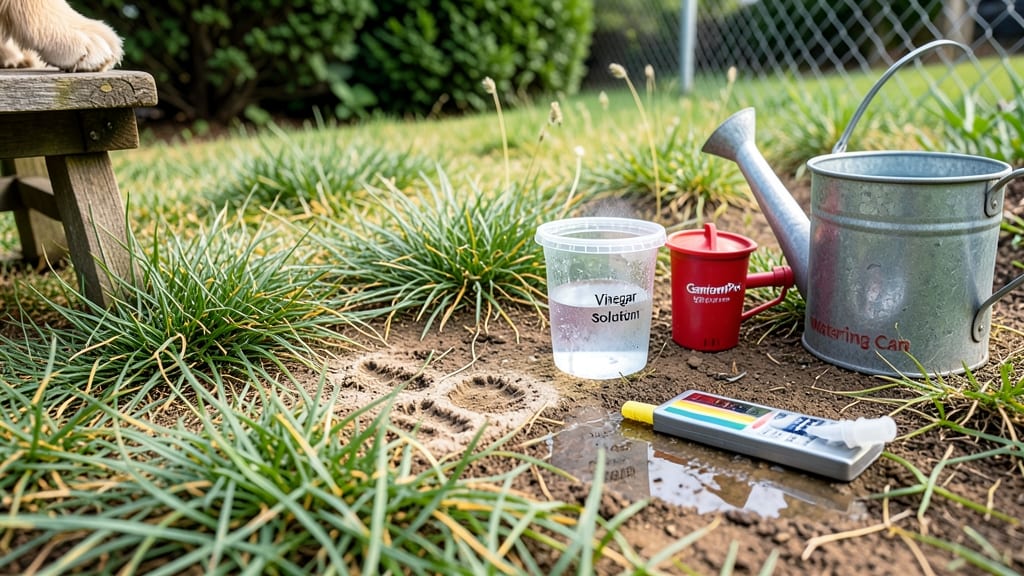
Dog urine can turn your lawn into a patchwork of brown spots if you don’t act fast—but the good news is, you can reverse the damage without giving up your furry friend’s freedom.
Picture this: You step outside after a long day, ready to relax on your freshly mowed 🌱 grass (lawn), only to find yellowed patches where your dog marked their territory. That’s nitrogen burn in action, and it’s more common than you think.
The key is understanding how urine affects your lawn—whether it’s altering soil pH or leaving behind concentrated salts—and knowing the fast fixes to revive your grass. With the right steps, you can restore your lawn’s health in just a few weeks.
Below, I’ll walk you through how to dilute urine spots, train your dog to pee in safe zones, and use organic amendments to bring your lawn back to life—so you can enjoy both your pup and your green space.
Why dog urine burns grass and how to identify the damage
Dog urine contains high levels of nitrogen and ammonia, which act like a concentrated fertilizer when absorbed by grass. While nitrogen promotes growth, the high acidity (pH 6.0-7.0) and ammonia burn can damage grass blades, causing yellowing or dead patches.
The urine’s salt content further stresses the roots, making recovery difficult if not addressed quickly.
When your dog urinates on the lawn, the ammonia evaporates, leaving behind a highly acidic residue. This disrupts the soil pH balance, making nutrients like phosphorus and potassium less available.
Over time, repeated urination in the same spot creates a permanent dead zone unless you intervene with soil amendments.
Not all grass types react the same way. Cool-season grasses like Kentucky bluegrass and fescue are more sensitive to urine damage than warm-season grasses like Bermuda or Zoysia. The grass’s resilience also depends on its health, soil quality, and how often it’s urinated on.
A well-established lawn with healthy roots recovers faster than a thin or weak one.
| Grass Type | Susceptibility to Urine Damage | Recovery Time | Best Prevention |
|---|---|---|---|
| Kentucky Bluegrass | High (sensitive to acidity) | 4-6 weeks with treatment | Dilute urine, overseed |
| Tall Fescue | Moderate (tolerates some stress) | 3-5 weeks with treatment | Apply lime to neutralize pH |
| Bermuda Grass | Low (drought-resistant) | 2-3 weeks with watering | Train dog to avoid spots |
| Zoysia Grass | Low-Moderate (hardy) | 3-4 weeks with treatment | Mow higher to protect roots |
| St. Augustine | High (lush but delicate) | 5-7 weeks with treatment | Use organic fertilizer |
The first sign of dog urine damage is yellowing grass within 24-48 hours. The affected area may also feel dry or crispy to the touch, especially if the dog urinates repeatedly in the same spot.
In severe cases, the grass turns brown and dies, leaving a permanent bald patch if left untreated.
If you notice small, circular dead spots where your dog frequently urinates, this indicates chronic damage. These spots often appear in the same locations because dogs develop urination habits. Over time, the soil in these areas becomes compacted and nutrient-depleted, making recovery even harder.
To confirm urine damage, perform a simple soil pH test in the affected area. A pH reading below 6.0 suggests acidity from urine. You can also compare the damaged patch to healthy grass nearby—uneven growth or thin blades are clear signs of stress.
Some lawns recover faster due to better soil drainage or higher organic matter content. Sandy soils, for example, allow water and nutrients to move more freely, reducing the risk of root burn.
If your lawn has clay soil, however, urine damage may persist longer because water pools around the roots, worsening the problem.
Even if your lawn shows signs of damage, don’t panic. With the right neutralization techniques and lawn care adjustments, you can restore your grass to its former glory. The key is acting quickly—within 48 hours of noticing the damage—to prevent permanent harm. 🌱
3 Immediate steps to neutralize urine and revive dead grass
When your dog’s urine leaves behind yellow patches, the high ammonia and nitrogen concentrations burn grass roots instantly. But don’t panic—these 3 immediate steps can neutralize the damage and revive your lawn within days. Start by acting fast, as the longer urine sits, the deeper the burn penetrates.
The key is dilution and restoration. Dog urine is highly concentrated, so the first step is breaking down its chemical composition. Use these methods to counteract the damage before it becomes permanent, ensuring your lawn stays healthy without sacrificing your dog’s potty routine.
Mix 1 part urine with 4 parts water using a hose or watering can. This reduces the ammonia concentration and prevents further root damage.
Use a balanced fertilizer (10-10-10) or high-nitrogen (20-5-10) to promote rapid regrowth. Spread evenly over affected areas and water lightly to activate.
Sprinkle corn gluten meal (1 lb per 100 sqft) to neutralize excess nitrogen and improve soil health. Water thoroughly to help the grass recover faster.
After diluting the urine, water the area deeply to help flush out remaining ammonia. This step is critical for preventing long-term damage to the grass roots. Aim for about 1 inch of water to encourage root recovery and reduce soil acidity caused by the urine.
For stubborn brown patches, consider overseeding with urine-resistant grass like tall fescue or Kentucky bluegrass. These varieties tolerate higher nitrogen levels better than delicate grasses like Bermuda or Zoysia. Sprinkle seeds lightly over the damaged area and keep it moist until germination.
Monitor the affected spots for 3-5 days after treatment. Healthy grass should show new growth within a week, with full recovery in about 2-3 weeks. If the damage persists, repeat the nitrogen fertilizer application and ensure your dog isn’t repeatedly urinating in the same spot.
With these steps, your lawn can bounce back from dog urine damage—keeping both your green grass and happy pup thriving together. 🌱