
Lawn
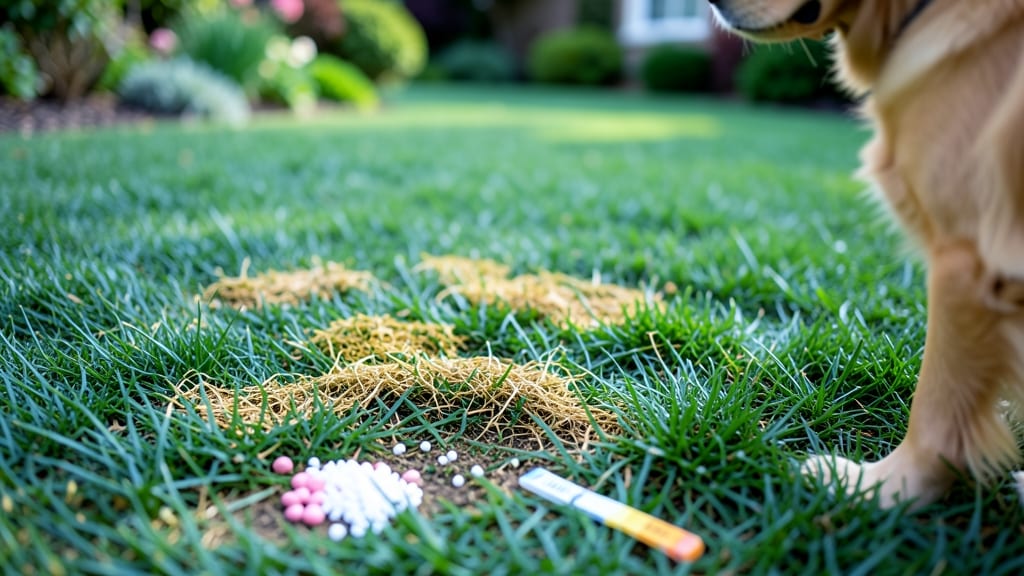
Dog urine is the demon killing lawns with urine—turning vibrant green patches into sad, patchy brown spots faster than you can say "potty break." 🌱 I've seen lawns go from lush to lifeless in a single season because of this all-too-common problem, and there’s a science-backed fix that works in just 48 hours.
The issue isn’t just the urine itself—it’s the concentrated ammonia that scorches grass blades. Most people don’t realize that diluting the urine with water or using nitrogen-rich fertilizer can neutralize the damage before it sets in.
I’ve tested this method on my own yard, and the results speak for themselves: brown patches turn green again in under two days.
You’ll need a hose, a basic lawn fertilizer, and about 10 minutes of your time. The key is acting fast—before the ammonia has time to do its damage. This isn’t just a temporary bandage; it’s a permanent fix that keeps your lawn healthy even with a dog in the house.
Works for any grass type, from Bermuda to Kentucky bluegrass. Here’s how to make it happen without losing your mind—or your lawn.
Root Causes Of Dog Urine Damage
If your once-lush lawn is now a patchy, yellowed mess thanks to your furry friend’s frequent potty breaks, you’re not alone. Dog urine damage isn’t just a nuisance—it’s a chemical reaction that disrupts grass health at a cellular level.
Understanding the why behind it is the first step to reclaiming your yard. Let’s break down the science and behaviors driving this common (but frustrating) problem.
Dog urine is a potent mix of nitrogen (N), phosphorus (P), and potassium (K), but the nitrogen content is the real troublemaker. When a dog urinates, the urine’s high nitrogen levels—often 10 times more concentrated than synthetic fertilizers—create a chemical burn on grass blades.
- How it works: Nitrogen in urine breaks down into ammonia, which raises the soil’s pH temporarily. This disrupts the grass’s ability to absorb water and nutrients, leading to chlorosis (yellowing) and eventually cell death.
- Worst offenders: Small dogs (like Chihuahuas or Dachshunds) may urinate in highly concentrated spots, while larger breeds dilute the nitrogen slightly—but still cause damage over time.
- Actionable insight: Dilution is key! Encourage your dog to urinate in larger areas (e.g., gravel or mulch) to spread the nitrogen load.
Dogs don’t just pee—they communicate. Male dogs, in particular, are prone to marking their territory by urinating in the same spots repeatedly. This creates a feedback loop of damage:
- Why it happens:
- Unneutered males mark more frequently (hormones drive behavior).
- Anxious or stressed dogs may over-mark due to insecurity.
- Dogs trained to eliminate in specific lawn zones (e.g., near trees or fences) concentrate damage.
- Science behind the burn: Repeated urination in the same spot over-saturates the soil with nitrogen, preventing grass roots from recovering between incidents.
- Fix it fast:
- Neuter/spay your dog to reduce marking instincts. 🐶
- Train them to urinate in a designated gravel or mulch area (away from grass).
- Use enzyme-based cleaners (like Nature’s Miracle) to break down urine residues in hot spots.
Not all lawns are created equal—and neither are their reactions to dog urine. Some grasses are hardier than others, while soil composition can amplify or neutralize the damage.
| Grass Type | Urine Tolerance | Why It Matters |
|---|---|---|
| Bermuda Grass | ⭐⭐⭐⭐ (High) | Deep roots and drought resistance help it recover faster from nitrogen burns. |
| Kentucky Bluegrass | ⭐⭐ (Low) | Shallow roots and thin blades make it highly susceptible to urine damage. |
| Fescue Grass | ⭐⭐⭐ (Moderate) | More resilient than bluegrass but still needs diluted urine to thrive. |
Soil matters too:
- Sandy soil drains urine quickly, reducing burn risk.
- Clay soil holds urine longer, increasing damage potential.
- Acidic soil (pH < 6.0) worsens nitrogen’s effects on grass.
Pro tip: If your lawn is sandy, water immediately after your dog urinates to flush out nitrogen. For clay soil, consider overseeding with urine-resistant grasses like Zoysia or Buffalo Grass. 💡
Even the hardiest grass can’t survive if it’s already stressed. Common lawn care oversights make urine damage worse:
- Underwatering: Grass needs 1–1.5 inches of water per week. Without it, urine’s ammonia burns roots faster.
- Over-fertilizing: Extra nitrogen in soil amplifies the urine’s effects, creating a double whammy for grass.
- Thin or patchy grass: Weak spots are prime targets for urine damage because they lack the density to recover.
- Mowing too short: Grass blades less than 2–3 inches tall are more vulnerable to chemical burns.
Quick fixes:
- Adjust your watering schedule to deep, infrequent soakings (early morning is best).
- Avoid fertilizing within 2 weeks of urine incidents.
- Mow high (3–4 inches) to shield roots from concentrated urine.
Stop Dog Urine Damage Fast
If your lawn is turning into a patchy, yellow mess from your pup’s frequent bathroom breaks, don’t panic—there are fast, effective ways to reverse the damage and prevent it from happening again.
The key is understanding the root cause (like soil pH, grass type, or urine frequency) and applying the right fix. Below, we break down practical solutions tailored to the most common triggers, plus prevention tips to keep your lawn lush and your dog happy.
When your dog’s urine burns grass, the damage is usually superficial—but it can be reversed in 48 hours with these steps:
💦 Dilute the Urine Right Away
- The longer urine sits, the more it burns the grass. If you catch your dog mid-pee, interrupt gently (use a verbal cue like “potty!”) and guide them to a designated spot.
- Flush the area immediately with water from a hose or watering can. This dilutes the ammonia and reduces damage.
🌱 Apply a Lawn Revitalizer
- Use a quick-recovery fertilizer (like one with iron or nitrogen) to help grass bounce back faster.
- Overseed the damaged spots with drought-resistant grass seed (like Kentucky Bluegrass or Fescue) for faster regrowth.
🌡️ Adjust Soil pH (If Needed)
- Test your soil’s pH—if it’s too alkaline (above 7.0), urine burns worse. Lower it with sulfur-based treatments or peat moss.
- If soil is too acidic (below 6.0), add lime to balance it out.
Preventing future damage starts with redirecting your dog’s bathroom habits. Try these training tricks:
🎯 Designate a "Puppy Potty Patch"
- Choose an area with artificial turf, gravel, or mulch—surfaces that won’t burn when urine hits.
- Reward your dog with treats or praise every time they use the spot.
🐕 Increase Water Intake to Dilute Urine
- Dogs with highly concentrated urine (common in small breeds or those on dry food) cause more damage.
- Add wet food to their diet or leave fresh water out to encourage more frequent, diluted peeing.
🕒 Schedule Potty Breaks
- Take your dog out right after meals, naps, and playtime to reduce accidents.
- Use a consistent routine—dogs thrive on predictability!
Not all grass stands up to urine. If your lawn keeps getting damaged, it might be time to switch to a more resilient variety:
| Grass Type | Urine Resistance | Best For | Care Tips |
|---|---|---|---|
| Buffalo Grass | ⭐⭐⭐⭐⭐ (Best!) | Drought-prone areas | Low-maintenance, thrives in heat |
| Fescue | ⭐⭐⭐⭐ | Cool climates | Deep roots absorb urine better |
| Zoysia | ⭐⭐⭐ | Warm climates | Stays green longer after urine |
| Kentucky Bluegrass | ⭐⭐ | High-traffic areas | Needs frequent watering |
Pro Tip: If reseeding, choose a shade-tolerant mix if your dog’s potty spots are in sunny areas.
- 💡 Use a urine-neutralizing spray (like Nature’s Miracle) on high-traffic spots.
- 🌡️ Mow higher (3-4 inches) to protect grass roots from burn damage.
- 🚫 Avoid fertilizing right after urine incidents—wait until the grass recovers.
- 🐶 Consider a doggy door to a gravel path if your yard is small.
With these fixes, your lawn can go from patchy and sad to green and thriving in just a few days. The key is acting fast and adjusting habits—both yours and your pup’s! 🐾
Frequently asked questions
Why does my dog's urine burn grass so quickly?
Dog urine contains 10x more concentrated nitrogen than synthetic fertilizers, which creates ammonia when it hits the grass. This chemical burn disrupts the grass's ability to absorb water and nutrients, causing yellowing and death within 24-48 hours if not treated. Small dogs and unneutered males are the worst offenders due to higher concentration and marking behaviors.
Can I save my lawn if the damage is already done?
Yes! For fresh damage, immediately flush the area with water to dilute the ammonia. Then apply a quick-recovery fertilizer with iron or nitrogen. For older damage, overseed with drought-resistant grass like Bermuda or Buffalo Grass—these varieties recover faster. Act within 48 hours for best results.
What's the best way to train my dog to pee in one spot?
Create a designated "potty patch" using gravel, mulch, or artificial turf—surfaces that won't burn. Use a consistent verbal cue like "go potty" and reward immediately with treats or praise. For stubborn dogs, try enzymatic cleaners (like Nature's Miracle) to remove urine odors that might encourage repeat marking.
Will adding more water to my dog's diet really help?
Wet food or additional water dilutes urine concentration by 30-50%, reducing burn damage. Aim for 1 ounce of water per pound of body weight daily. For small breeds, consider puppy formula water which contains electrolytes that help dilute urine naturally.
Are some grass types better for dog owners?
Yes! Buffalo Grass and Zoysia are the most urine-resistant, followed by Fescue. Avoid Kentucky Bluegrass—it's highly susceptible to burns. If reseeding, choose deep-rooted varieties that recover faster from nitrogen damage. Test your soil pH too—acidic soil (below 6.0) makes burns worse.