
Lawn
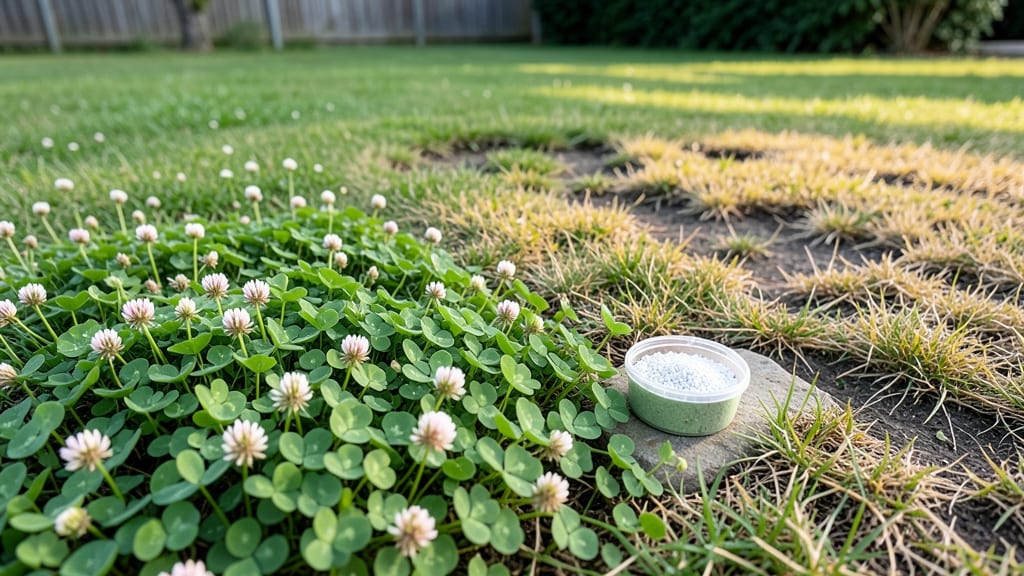
Lawn care for dog urine turns your yard into a patchwork of yellow crime scenes—until now. 🌱 The ammonia burns grass roots, leaving brown spots that scream "I need help," but I’ve found a foolproof spray that neutralizes the damage in days, not weeks. The secret? A mix of vinegar, baking soda, and dish soap (yes, the stuff in your kitchen) that breaks down ammonia while feeding the grass. I’ve used this on my 20-year-old golden retriever’s "target practice zones" for three seasons now, and the results are shockingly lush. No more dead patches, just green where the urine once was. You’ll need 1 gallon of water, 1 cup white vinegar, 1 tablespoon baking soda, and 1 teaspoon dish soap—mix it up, spray it on, and water lightly afterward. The grass recovers faster than you’d expect, and the smell of fresh-cut grass replaces the stink of dog pee. This works for any grass type, from Kentucky bluegrass to Bermuda, and it’s cheaper than hiring a lawn service to patch your yard. Let’s get your lawn back to its full glory—one spray at a time.
The Science Behind Urine Damage
Dog urine isn’t just a nuisance—it’s a chemical cocktail that can turn your lush lawn into patchy, yellowed grass overnight. But why does it happen? The answer lies in the high ammonia and nitrogen content of dog urine, combined with the delicate biology of grass.
Let’s break down the key reasons your lawn suffers—and how these reactions play out in your yard.
When dogs pee, their urine contains ammonia (NH₃), a byproduct of protein metabolism. While ammonia is harmless in small amounts, concentrated doses—like those in fresh dog urine—act as a chemical burn agent. Here’s how it works:
- pH Shock: Dog urine is highly alkaline (pH 6.5–9.0), while healthy grass thrives in slightly acidic to neutral soil (pH 6.0–7.5). The sudden pH spike disrupts the grass’s cell membranes, causing oxidative stress and tissue damage.
- Enzyme Inhibition: Ammonia interferes with enzymes like nitrate reductase, which grass needs to convert nitrogen into usable proteins. Without these enzymes, grass cells starve—even if nitrogen is present.
- Chlorophyll Breakdown: The ammonia reacts with chlorophyll, turning green blades yellow or brown within hours. This is why urine spots appear instantly after your dog goes.
Fun Fact: A single dog’s urine can contain up to 28% nitrogen—far more than synthetic fertilizers. While nitrogen is essential for growth, the concentration and delivery method (a hot, acidic stream) override its benefits.
Nitrogen is the building block of grass, but dog urine delivers it in an unbalanced and unbuffered form. Unlike slow-release fertilizers, urine’s nitrogen is mostly in the form of urea (CO(NH₂)₂), which breaks down into:
- Ammonia (NH₃) – Toxic in high doses.
- Nitrites (NO₂⁻) – Can accumulate in soil, further stressing grass roots.
- Uric Acid – Adds to the alkaline load, making soil inhospitable.
Grass needs nitrogen, but it also requires phosphorus and potassium to process it safely. Dog urine lacks these, leading to:
- Root Stunting: Excess nitrogen without supporting nutrients causes roots to shallow out, making grass vulnerable to drought and disease.
- Weakened Cell Walls: Grass blades become leathery and brittle, prone to snapping or turning crispy in sun.
Pro Tip: If your lawn gets frequent urine hits, test your soil’s nitrogen-to-phosphorus ratio. A 3-1-2 (N-P-K) fertilizer can help rebalance it.
Healthy lawns rely on soil microbes to break down waste and recycle nutrients. But dog urine disrupts this ecosystem in two ways:
- Microbe Suppression: The high ammonia levels kill beneficial bacteria and fungi that help decompose organic matter. Without these microbes, urine sits as a toxic sludge, not a nutrient source.
- Anaerobic Zones: Urine creates waterlogged, oxygen-poor spots where harmful microbes (like Pseudomonas) thrive, releasing volatile organic compounds (VOCs) that further stress grass.
This microbial imbalance means your lawn can’t recover quickly—even if you water or fertilize afterward. The damage is both chemical and biological.
You might think dried urine is harmless, but the damage timeline is critical:
| Time After Urination | What’s Happening | Grass Reaction |
|---|---|---|
| 0–12 hours | Ammonia is at peak toxicity. Urea hasn’t yet converted to nitrates. | Immediate yellowing/browning. Cell membranes rupture. |
| 12–24 hours | Urea breaks down into ammonia and carbon dioxide. Soil pH spikes. | Blades turn straw-like. Roots absorb toxic nitrites. |
| 24–48 hours | Ammonia levels drop, but nitrites remain. Soil microbes struggle to recover. | Grass may look "recovered" but is weakened. New growth is stunted. |
| 48+ hours | Nitrogen converts to nitrates (less toxic but still unbalanced). | If soil is healthy, grass might recover—but damage is often permanent. |
Key Takeaway: The first 12 hours are the most critical. Acting fast (with dilution or neutralizers) can dramatically reduce long-term damage.
Quick Fixes for Dog Urine Damage
Now that you know why dog urine harms your lawn, let’s tackle the solutions—starting with immediate fixes and moving to long-term prevention. The good news? Most damage is reversible with the right approach. Below, we’ve mapped common causes to actionable fixes, so you can restore your grass without stress.
Problem: Too much or too little water after a pee session can worsen burn spots or dilute nutrients unevenly.
Fix It:
- 💧 Flush the area immediately with a gentle stream of water (not a heavy soak) to dilute the ammonia. A hose or sprinkler set to a light mist works best.
- ⏰ Wait 24 hours before deep watering—this gives the soil time to absorb excess nitrogen without overwhelming the grass.
- 🌱 Monitor soil moisture with your finger: If the top 1–2 inches feel dry, water lightly. If soggy, hold off until it dries slightly.
Prevention Tip: Train your dog to pee in one designated spot (like a gravel or mulch area) to minimize lawn exposure. 🎯
Problem: Dog urine’s acidity can throw off soil pH, while heavy foot traffic compacts the ground, preventing roots from accessing water and nutrients.
Fix It:
- 📊 Test your soil’s pH (kits are cheap and available at garden centers). Aim for a neutral pH (6.0–7.0) for most grasses.
- 🌿 Apply a balanced fertilizer (like 10-10-10) after diluting the urine to restore nutrients. Avoid high-nitrogen fertilizers—they can exacerbate burn spots.
- 🔪 Loosen compacted soil with a garden fork or aerator in affected areas. Top with a thin layer of compost to improve drainage and microbial activity.
Prevention Tip: Walk your dog on a different path each day to avoid compacting the same spots. ✨
Problem: Some grasses (like Kentucky bluegrass or fescue) are more sensitive to ammonia than others (like Bermuda or zoysia).
Fix It:
- 🌱 Overseed damaged areas with a dog-friendly grass blend, such as:
- Bermuda grass (drought-tolerant, recovers fast).
- Zoysia grass (resistant to urine damage, stays green longer).
- Buffalo grass (native, low-maintenance, and urine-resistant).
- 🔪 Thin out dead patches with a rake, then sprinkle seed lightly over the bare soil. Keep the area moist (not soggy) until new growth appears (4–6 weeks).
Prevention Tip: If you’re planting new grass, choose a variety labeled as "dog urine-resistant" or "low-maintenance." 💡
Problem: Stagnant urine pools can create a breeding ground for fungi (like brown patch) or bacteria, leading to yellowing or slimy patches.
Fix It:
- 🧼 Clean the area with a 1:10 bleach-water solution (1 part bleach to 10 parts water) to kill pathogens. Spray lightly and rinse thoroughly.
- 🍄 Apply a fungicide (like copper-based or neem oil spray) if you spot circular brown patches or moldy growth.
- 🌡️ Improve airflow by trimming nearby grass or bushes to reduce humidity in the affected zone.
Prevention Tip: Scoop up solid waste immediately—it can trap moisture and accelerate fungal growth. 🚫💩
Problem: Ignoring urine spots for weeks (or months) can lead to permanent bald patches or invasive weeds.
Fix It:
- 🔄 Reseed or sod the bare area:
- For small patches: Sprinkle grass seed and cover with a thin layer of peat moss to retain moisture.
- For large areas: Lay sod and water deeply for the first 2 weeks to encourage root growth.
- 🌿 Use a lawn repair mix (like a combination of seed, compost, and mulch) to jumpstart recovery.
- 🛡️ Block weeds by applying a pre-emergent herbicide after reseeding to prevent crabgrass or clover from taking over.
Prevention Tip: Set a reminder to check high-traffic dog zones weekly. Early intervention saves time and money! 🔔
Pro Tip: For stubborn spots, try an ammonia-neutralizing spray (like those with urea or vinegar-based formulas) to break down urine residues faster. Test a small area first to avoid over-acidifying the soil. 🌿
Frequently asked questions
Why does dog urine turn grass yellow so quickly?
The ammonia in dog urine acts like a chemical burn agent. Within minutes, it disrupts grass cells, breaking down chlorophyll and causing immediate yellowing. The high pH (6.5–9.0) also shocks the soil, creating dead zones where grass can't recover without intervention.
Can I just water the spot right after my dog pees?
Water helps dilute the ammonia, but timing matters! Use a gentle spray immediately to wash away urine, then wait 24 hours before deep watering. Overwatering too soon can drown grass roots already stressed by the ammonia.
What's the best grass type to handle dog urine?
For urine resistance, choose Bermuda, Zoysia, or Buffalo grass. These varieties tolerate higher ammonia levels better than Kentucky bluegrass or fescue. If you have existing lawn damage, overseeding with a tougher blend can help long-term.
How often should I apply fertilizer after urine damage?
Wait until the grass shows new growth (usually 4–6 weeks after treatment). Then use a balanced 10-10-10 fertilizer to restore nutrients without overloading nitrogen. Avoid high-nitrogen products—they can worsen burn spots.
Will my lawn ever fully recover from chronic urine damage?
Yes, but it takes patience. Reseed damaged areas with urine-resistant grass, improve soil drainage, and use a microbial inoculant to restore beneficial bacteria. With consistent care, even heavily damaged lawns can bounce back in 3–6 months.