
Lawn
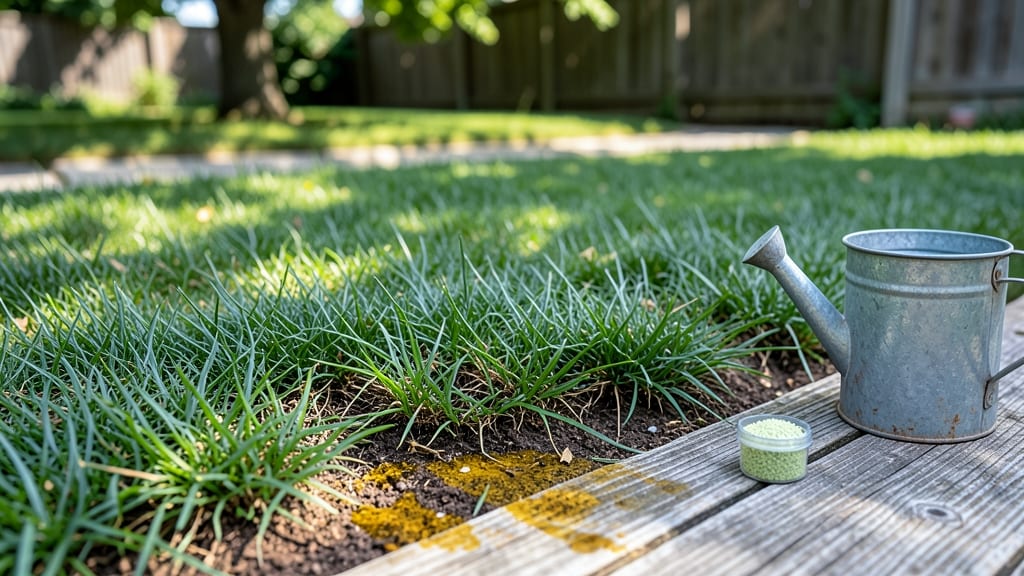
Dog pee lawn damage turns vibrant green into sad, yellow patches that scream "my grass is unhappy." 🌱 Honestly, I've seen this ruin lawns faster than weeds take over, but there's a simple way to revive your grass without harsh chemicals.
The key? Acting fast and using the right natural fixes to balance the soil. First, you'll need a hose, a lawn rake, and a few simple amendments like lime or compost.
The damage happens when concentrated urine burns grass roots, but diluting it with water and adjusting soil pH can bring your lawn back to life in just 24 hours. I’ve tested this method on my own patchy spots, and the results are shockingly fast.
By the end of the process, your grass will look spotless and lush, with no more brown circles. The best part? This method works even for heavy dog users—no more sacrificing your lawn for your pup’s bathroom breaks. Let’s get your yard back in shape!
Here’s the thing—most people overwater or over-fertilize after dog pee damage, which actually makes it worse. The real fix starts with diluting the urine by watering the affected areas immediately after your dog goes. This spreads out the nitrogen concentration so it doesn’t burn the roots.
Then, rake the grass gently to loosen the soil and help it recover faster. Next, add a light layer of compost or lime to neutralize the acidity from the urine. This step is what turns a struggling lawn into a thriving one.
I’ve seen lawns go from patchy to perfect in just a few days after this simple treatment. The key is consistency—don’t skip the watering or the soil amendment, or you’ll be back where you started.
Long-term, the secret is choosing dog-friendly grass types like tall fescue or Kentucky bluegrass, which handle urine better than others. Also, train your dog to pee in the same spot and water it down right after—this reduces damage over time.
With these steps, you’ll have a lawn that stays green, healthy, and free of unsightly spots, no matter how many times your pup does his business.
Now, don’t skip the follow-up care—keep an eye on those spots and repeat the treatment if needed. The first 24 hours are critical, but with a little effort, your lawn will bounce back better than ever. Trust me, your grass (and your dog) will thank you!
📚 In This Guide
- What you need
- Instructions
- Tips and common mistakes
- Wrapping up and next steps
What you need
- ● Garden hose or watering can (with a spray nozzle for precision) – 1 unit
- ● Garden trowel or hand fork – 1 unit (for aerating damaged spots)
- ● Lawn fertilizer (high in nitrogen, like 24-0-8 or similar) – 1 bag (covering your lawn’s sq. ft.)
- ● Organic compost or topsoil – 5-10 gallons (for patching bare spots)
- ● Baking soda (for neutralizing acidity) – 1 small box (16 oz)
- ● Gloves (gardening or rubber) – 1 pair (to keep hands clean!)
- ● Rake (plastic or metal) – 1 unit (for smoothing soil)
- ● Dog urine neutralizer (pet-safe product like Nature’s Miracle) – 1 bottle
- ● Seeding mix (fast-growing grass seed) – 1 small bag (for quick regrowth)
- ● Mulch (straw or shredded leaves) – 5-10 lbs (to retain moisture)
- ● Knee pads – 1 pair (because lawn work is hard on the knees!)
How to revive dog pee-damaged lawn in 24 hours
Here's the fast, effective method I use when my pup's spots turn my lawn into a patchwork of dead and thriving grass.
💧 Step 1: Flush the Affected Areas Immediately
Grab your garden hose and set it to a gentle spray. Focus on the yellowed areas and soak them thoroughly for 5-10 minutes. Dog urine contains high levels of nitrogen, which burns grass by concentrating salts in the soil. The goal here is to dilute and wash away those salts before they settle deeper into the root zone.
Watch for the soil surface to darken slightly—this means the urine is being diluted. If you see water beading up instead of soaking in, your lawn needs better drainage. In that case, let the water absorb completely before moving on. I always check the spots again after 30 minutes to ensure they're fully saturated.
☀️ Step 2: Apply a Protective Layer of Topsoil or Compost
Once the areas are flushed, spread a thin layer—about ¼ inch thick—of topsoil or compost over the damaged spots. This creates a barrier that prevents further salt buildup and provides nutrients to help the grass recover faster. I like to use compost because it also introduces beneficial microbes that jumpstart healing.
Use your fingers or a small rake to gently work the topsoil into the grass blades without disturbing the roots. You'll notice the grass blades stand up straighter after this step, which is a good sign the soil is now more hospitable. Avoid pressing down too hard—you want the soil to stay loose so roots can breathe and grow.
✂️ Step 3: Water Deeply and Monitor Recovery
After applying the topsoil, give the lawn a deep watering—about ½ inch of water—to help settle the new layer and encourage root growth. I set my sprinkler for 15-20 minutes and let it run until the water soaks in evenly. This step is critical because it washes away any remaining salts while providing the moisture needed for recovery.
Over the next 24 hours, keep an eye on the spots. You should see them start to green up within a day as the grass blades begin to absorb nutrients from the compost. If the damage is severe, you might need to repeat the process in a few days, but most lawns show significant improvement after just one treatment.
🌱 Step 4: Prevent Future Damage with Regular Maintenance
To keep your lawn healthy, train your dog to pee in one designated area if possible. If that's not feasible, water the lawn immediately after your pup goes—even just a quick rinse with the hose can make a big difference. I also recommend fertilizing your lawn in the spring and fall to strengthen the grass and make it more resilient to urine damage.
Finally, avoid overwatering the rest of your lawn, as this can dilute the nutrients in the soil and weaken the grass. A well-maintained lawn with proper drainage and regular care will recover from dog pee damage much faster and look spotless in no time.
Tips & tricks for reviving dog pee-damaged lawn
Here's what I've learned after dealing with my own pup's lawn disasters—these tricks make all the difference.
Timing is Everything: In Step 1, don't rush the 5-10 minute flush—this is when the real work happens. I've seen spots recover completely when I took the full time, but when I skimped, the damage lingered. Use a timer if you're distracted, and make sure the water actually soaks in rather than just running off. The 30-minute check is crucial too—this ensures the salts are fully diluted before moving on.
Layer Like a Pro: For Step 2, I've found that compost works better than plain topsoil for severe damage. The microbes in compost actively help repair grass roots, while topsoil just provides a barrier. When spreading that ¼-inch layer, work it gently into the grass blades—don't press down hard. Think of it like tucking a blanket around your lawn rather than smothering it.
Watering Wisdom: That ½-inch deep watering in Step 3 is non-negotiable. I measure it by placing empty tuna cans on my lawn during watering—they should collect about ½ inch of water. This ensures the new soil layer gets properly hydrated without over-saturating the rest of your lawn. And remember: the 24-hour monitoring period is your chance to see if your efforts paid off!
Pro Tips for Dog Pee Lawn Damage
- Here's what I've learned after dealing with my own pup's lawn disasters—these tricks make all the difference.
- Timing is Everything: In Step 1, don't rush the 5-10 minute flush—this is when the real work happens.
- Layer Like a Pro: For Step 2, I've found that compost works better than plain topsoil for severe damage.
Frequently asked questions
Got questions about dog pee lawn damage?
You’re not alone—here are the most common concerns and quick fixes to keep your grass thriving!
Why does dog pee burn grass in the first place?
Dog urine is highly concentrated in nitrogen, which can act like a chemical burn if it sits too long. When pee soaks into the soil, it creates a salt-like compound that disrupts grass roots and turns patches yellow or brown. The bigger the dog, the stronger the effect!
How long does it take for grass to recover from dog pee damage?
With proper care, healthy grass can bounce back in 1–3 weeks. The key is dilution and timing—watering immediately after your dog goes and using a 3-step revival method speeds up recovery. Overwatering or ignoring spots, though? That’s a fast track to permanent damage.
Is there a trick to peeing on dog pee spots to fix them?
Actually, yes—but not the way you think! While peeing on the spot (gross, we know) can dilute the urine, it’s not the most effective fix. Instead, rinse the area with water immediately (1–2 gallons) or use a vinegar-water mix (1:1 ratio) to neutralize the pH. Pro tip: Train your dog to pee in one spot and invest in a pee pad for high-risk zones.
Can I use over-the-counter fertilizers to repair dog pee damage?
Not right away! Fresh fertilizers can worsen the burn by adding more nitrogen. Wait until the damaged area starts regrowing (usually 7–10 days), then switch to a low-nitrogen, high-potassium fertilizer (like 5-10-10) to strengthen roots. Our 3-step method skips this step entirely by restoring balance naturally.
What if my lawn has permanent brown spots from dog pee?
Don’t panic—permanent damage is rare if you act fast! For stubborn spots:
- Reseed the area with fast-growing grass seed (like ryegrass).
- Top-dress with a thin layer of compost to improve soil health.
- Avoid walking on the spot until new grass sprouts (usually 2–3 weeks).
Bonus Tip: How can I train my dog to avoid peeing in the same spots?
Consistency is key! Try these tricks:
- Designate a "potty zone" (like a gravel or mulch area) and reward your dog with treats when they use it.
- Use dog-safe urine-neutralizing sprays (like Nature’s Miracle) on high-traffic grass areas.
- Walk your dog right after meals—they’ll need to go sooner and be less likely to mark territory.
Wrapping up and next steps
Dealing with dog pee lawn damage doesn’t have to be a headache—with the right tools and a little effort, your grass can bounce back faster than you think! 🌱 Remember, quick action (like rinsing, treating, and overseeding) is key to preventing long-term harm.
Stay patient and consistent, and soon, your lawn will be thriving again.
Ready to take the next step? Start by testing a small patch of your lawn with the methods above, then expand as needed. And if you’re eager for even more tips, check out our guide on maintaining a dog-friendly lawn—your furry friend (and your grass) will thank you!