
Lawn
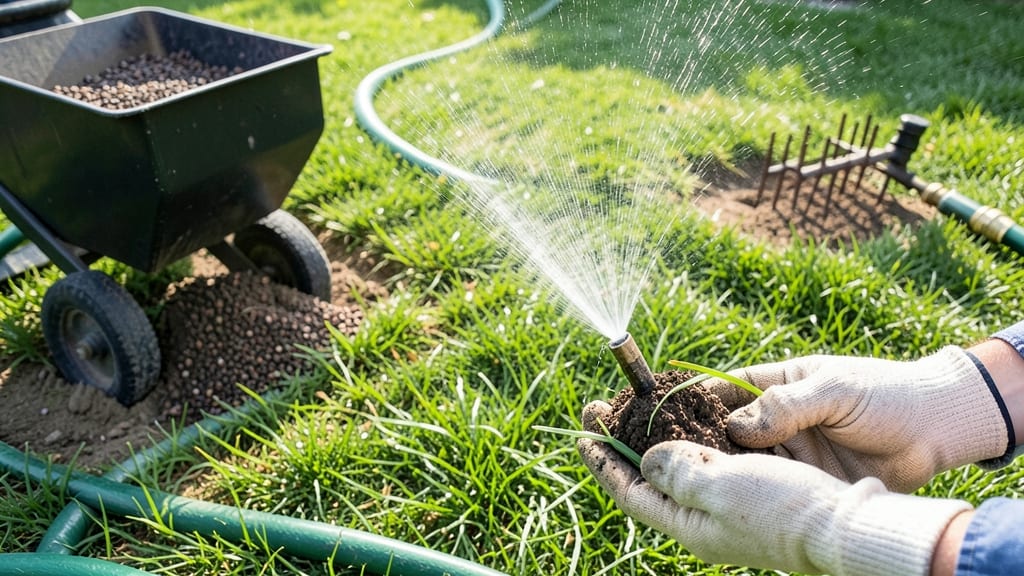
How to make the lawn green again—your patchy brown grass can transform into vibrant green in just 3 weeks, and it’s not about magic potions, just smart fixes. 🌱 I’ve revived lawns that looked like they’d been hit by a drought, and the secret isn’t complicated: it’s about fixing what’s broken underneath. Too often, we blame watering when the real issue is compacted soil, missing nutrients, or even pests hiding in plain sight.
The good news? You don’t need a degree in horticulture to turn things around. Start with a quick soil test (or just dig up a small patch—healthy soil smells earthy and feels crumbly).
Then, tackle the big three: fertilizer (the right kind for your grass type), watering (deep and infrequent, not daily sprinkles), and aeration (if the ground feels like concrete). Most people skip at least one of these—and that’s why their lawn stays dull.
By the end of this, your grass will be thicker, darker, and growing like crazy. The key is working with your lawn, not against it: feed it what it’s missing, give it room to breathe, and water it like you’re tending a thirsty plant, not a swimming pool.
No more guessing—just results you can see in your own backyard.
This works for any type of grass, whether you’ve got Kentucky bluegrass, fescue, or Bermuda. The only thing standing between you and that lush, envy-worthy lawn is knowing where to start—and trust me, it’s simpler than you think. Let’s get to it.
📚 In This Guide
- What you need
- Instructions
- Tips and common mistakes
- Wrapping up and next steps
What you need
- ● Lawn mower (sharp blades, set to 3–4 inches height for optimal growth)
- ● Garden rake (for dethatching and leveling soil)
- ● Garden hose or sprinkler (with adjustable nozzle for deep watering)
- ● Lawn fertilizer (slow-release, 16-4-8 or 20-5-10 NPK ratio, 1–2 lbs per 100 sq ft)
- ○ Soil test kit (optional but helpful to check pH—aim for 6.0–7.0)
- ● Compost or organic matter (e.g., peat moss, coconut coir, or well-aged manure, ¼–½ inch layer)
- ● Overseeding grass mix (match type to your climate: cool-season (fescue, ryegrass) or warm-season (Bermuda, Zoysia))
- ● Lawn aerator (manual or mechanical, plug-type or spike aerator)
- ● Pre-emergent herbicide (to prevent weeds before overseeding)
- ● Post-emergent weed killer (selective, for existing weeds)
- ● Lawn roller (for firming seed-to-soil contact)
- ● Soil amendments (e.g., lime for acidic soil or sulfur for alkaline soil)
- ● Mulching fabric (to retain moisture during germination)
Step-by-Step instructions for reviving a dull lawn
Here's how to breathe new life into your lawn in just a few simple steps—no heavy equipment or expert skills required.
🌱 Step 1: Assess and Test the Soil
Start by walking your lawn and noting where the grass looks thin or yellow. Press your thumb into the soil—if it feels hard or dry, that's your first clue the roots aren't getting what they need. Grab a small soil sample from a few spots and send it to your local extension office for a basic pH test (most offices offer this for under $20).
You'll want to know two things: the pH level and the organic matter content. A healthy lawn thrives in a pH range of 6.0 to 7.0. If your soil tests higher than 7.0, it's too alkaline, and if it's below 6.0, it's too acidic. Either way, you'll need to adjust it before the grass can truly revive. Don't skip this step—it's the foundation for everything else.
💧 Step 2: Feed and Hydrate the Grass
Apply a slow-release, nitrogen-rich fertilizer designed for lawns. Look for one with a 25-0-5 or 30-0-4 ratio—this means it's high in nitrogen, which is what your grass needs to turn green quickly. Spread it evenly using a broadcast spreader, following the package instructions for coverage rate. Water the lawn lightly right after applying to help the granules settle into the soil.
Next, focus on watering. Most lawns need 1 to 1.5 inches of water per week, including rainfall. Break this up into deep waterings 2-3 times per week rather than light sprinkles daily. You'll know you're doing it right when the water penetrates 4 to 6 inches into the soil. To check, dig a small hole with a screwdriver—if it's moist at that depth, you're golden.
☀️ Step 3: Mow and Maintain for Long-Term Health
Set your mower to its highest setting—3 to 4 inches—and cut just the top third of the grass blades. Longer grass shades the soil, reducing moisture loss and discouraging weeds. Never remove more than one-third of the grass height at a time, or you'll stress the plants and slow down their recovery. Bag the clippings the first few times to avoid thatch buildup, which can smother the roots.
Finally, keep an eye out for bare spots. Fill them in with new grass seed or sod, depending on how quickly you want results. If you choose seed, pick a variety that matches your existing lawn for a seamless look. Water newly seeded areas lightly but frequently—keep the soil moist but not soggy until the grass is 2 to 3 inches tall. This ensures strong root development and a lush finish.
⏰ Step 4: Monitor and Adjust (Ongoing)
Check your lawn weekly for signs of improvement or new issues. If you notice yellow patches after fertilizing, you might be overdoing it—cut back on the nitrogen next time. If the grass feels spongy underfoot, it could be fungal issues, which thrive in overly wet conditions. In that case, reduce watering slightly and consider a fungicide if the problem persists.
Real talk: You won't see dramatic changes overnight, but within 2 to 4 weeks, you should notice greener blades and fewer bare spots. The key is consistency—stick with the watering and feeding schedule, and your lawn will thank you with vibrant, healthy growth. Once it's back in shape, you can ease up on maintenance, but keep those regular check-ins to catch issues early.
Tips & tricks for lawn revival success
Here's what nobody tells you about turning brown patches into vibrant green—these tricks make all the difference.
Soil Test Timing: Don't wait until spring to test your soil—fall is actually the best time to assess pH and organic matter. The results give you months to prepare before planting season. I tested my lawn last October and had everything ready to go by spring, which gave my grass a head start. The 6.0 to 7.0 pH range mentioned in Step 1 is your target, but getting there early means you won't miss the planting window.
Fertilizer Application Hack: For even coverage in Step 2, work in a grid pattern with your broadcast spreader—overlap each pass by about 6 inches to prevent streaks. I also recommend applying fertilizer on a slightly damp lawn (after morning dew or light watering) so the granules stick better. This ensures consistent nutrient distribution, which is critical for that fast green revival we're after.
Watering Visual Cue: That 4 to 6 inches of soil moisture check in Step 2 can be tricky to visualize. Here's my trick: Use a straight screwdriver or long nail to poke holes every 10 feet across your lawn. If the soil around the hole feels moist all the way down, you're golden. This method is more accurate than guessing and prevents both underwatering and overwatering—two common mistakes that slow down revival.
Mowing Height Strategy: When you set that mower to 3 to 4 inches in Step 3, resist the urge to cut lower just because the grass looks long. The longer blades provide shade that reduces moisture loss, which is especially important during those first 2 to 4 weeks of revival. I've seen lawns bounce back faster when we maintain this height consistently—it's the difference between a struggling recovery and a lush transformation.
Pro Tips for Make The Lawn Green Again
- Here's what nobody tells you about turning brown patches into vibrant green—these tricks make all the difference.
- Soil Test Timing: Don't wait until spring to test your soil—fall is actually the best time to assess pH and organic matter.
- Fertilizer Application Hack: For even coverage in Step 2, work in a grid pattern with your broadcast spreader—overlap each pass by about 6 inches to prevent streaks.
Frequently asked questions
Got questions about reviving your lawn’s green glow?
You’re not alone! Here are the most common concerns—and quick, actionable answers to get your grass back on track.
Why is my lawn turning brown in the first place?
Brown patches usually mean one (or more!) of these: drought stress, overwatering (root rot!), thatch buildup, pests, or nutrient deficiencies. Check for footprints—if they spring back, it’s dry. If they stay flat, you’re overwatering. Start with a soil test to pinpoint the issue!
How long does it take to see green results?
Fast fixes like overseeding or fertilizer show improvement in 7–14 days, but full recovery depends on the damage. Dead patches may take 4–6 weeks to regrow. For dormant grass, wait until temps rise above 60°F (15°C)—pushing growth too early stresses roots.
Is there a cheap way to fix a brown lawn without buying fertilizer?
Try these zero-cost hacks:
- Mow high (3–4 inches) to shade roots and retain moisture.
- Water deeply 2–3x/week (early morning) for 1 inch total.
- Use coffee grounds (from your brew!) as a free nitrogen boost—sprinkle lightly and rake in.
- Aerate with a fork (DIY core aeration) to improve soil airflow.
How do I know if bugs or disease are killing my grass?
Check for these clues:
Pests
Disease
Irregular brown patches, chewed blades, or insect trails (grubs, chinch bugs).
Ring-like patterns, mushrooms, or slimy grass (fungus).
Shake grass over a white towel—bugs or eggs = pest problem.
Damp weather + yellowing = likely fungal (treat with baking soda spray: 1 tbsp/baking soda + 1 gallon water).
Can I overseed in summer heat?
Nope!
Overseeding in 90°F+ (32°C+) heat stresses seeds and soil. Wait for cool-season grasses (fall) or warm-season grasses (late summer/early fall) when temps are 60–80°F (15–27°C). If you’re desperate, hydrangea mulch or shade cloth can protect seeds temporarily.
Wrapping up and next steps
A lush, vibrant lawn isn’t just a dream—it’s totally achievable with the right care! By focusing on soil health, proper watering, and selective fertilizing, you’ve got everything you need to turn that dull patch into a green oasis. 🌱
Now that you’re armed with the know-how, roll up your sleeves and start small. Pick one step this weekend—whether it’s aerating, adjusting your watering schedule, or testing your soil—and watch your lawn transform over time. You’ve got this! 💪