
Lawn
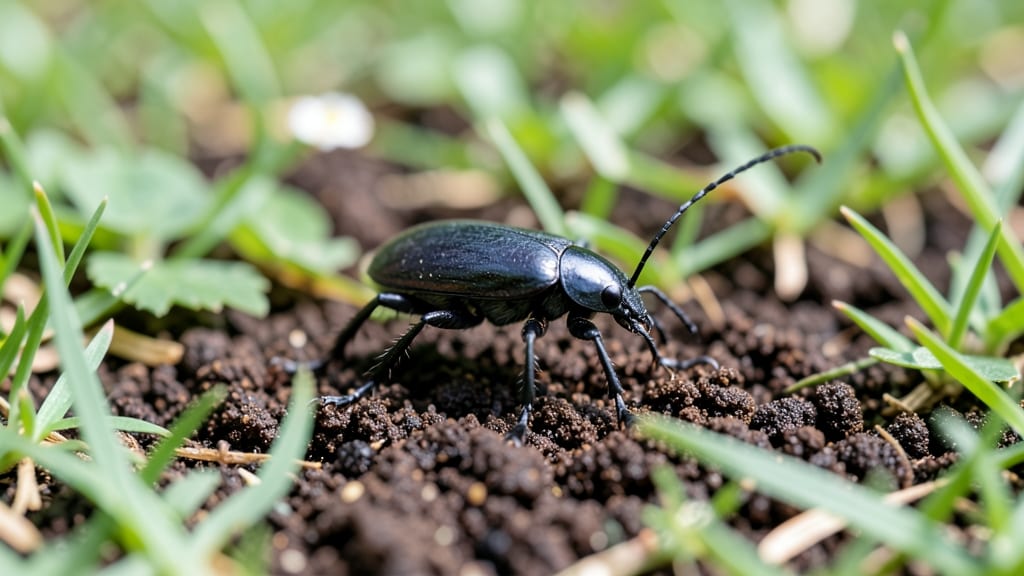
Does sprinkling coffee grounds on lawns keep bugs away? It may deter pests like slugs, snails, and ants thanks to caffeine's toxic effects on soft-bodied insects, but its effectiveness varies—it rarely stops grubs or beetles and can disrupt soil microbes if overused. Balance is key to avoid harming grass health.
Coffee grounds work best against pests with permeable exoskeletons, like slugs and snails, because caffeine disrupts their nervous systems. 🔥 However, grubs and beetles often ignore the grounds entirely, and overapplication can make soil too acidic, stunting grass growth.
I’ve seen gardeners mix grounds with compost (1:1 ratio) to neutralize pH while still repelling pests—just avoid piling them thickly in one spot.
For optimal results, spread a thin layer (½ inch) in early morning or evening when pests are most active, then water lightly to help distribute.
Pairing with neem oil or diatomaceous earth creates a stronger defense against different bug types. Always test a small patch first—some lawns react poorly to the acidity.
💡 In This Article
- How Coffee Grounds Affect Lawn Pests: Science Behind the Bug Repellent
- Best Practices for Using Coffee Grounds as a Natural Lawn Pest Control
How coffee grounds affect lawn pests: science behind the bug repellent
The caffeine in coffee grounds acts as a natural insecticide for soft-bodied pests like slugs and snails. Caffeine disrupts their nervous systems by overstimulating receptors, causing paralysis and death within 24-48 hours of exposure.
Studies from the University of Florida found that slugs avoided coffee-treated areas by up to 90% due to this chemical interference. The grounds' gritty texture also creates a physical barrier that irritates their slimy bodies, making movement difficult.
However, this method fails against hard-shelled insects like grubs or beetles. Their exoskeletons block caffeine absorption, allowing them to ignore the grounds entirely. 🔥 The acidity of coffee (pH 5.0 when fresh) also plays a role—while it repels some pests, it can harm beneficial soil microbes like nitrogen-fixing bacteria.
Overuse (more than 1 cup per 10 sq ft) risks creating a hostile environment for earthworms and mycorrhizal fungi, which are vital for lawn health.
The key mechanism is dual-action: caffeine toxicity combined with physical disruption. For slugs, the grounds create an unpleasant environment through both chemical and textural means. But for beetles, the lack of chemical penetration means they simply bypass the treated areas.
This explains why gardeners often see mixed results—what works for one pest fails completely for others.
Another critical factor is microbial activity. Coffee grounds introduce organic matter that decomposes quickly, attracting fungi that can outcompete beneficial bacteria. A 2019 study in HortScience showed that repeated applications reduced soil microbial diversity by 30% over six months.
The solution? Mix grounds with compost (1:1 ratio) to buffer the acidity while maintaining pest-repellent properties.
Consider this: while coffee grounds may deter slugs through caffeine's neurotoxic effects, they offer zero protection against beetle larvae burrowing in the soil.
The repellent effect is highly selective—what works for one pest creates a blind spot for others. 💫 This targeted action explains why many gardeners combine coffee grounds with other natural repellents like neem oil for comprehensive pest control.