
Mower
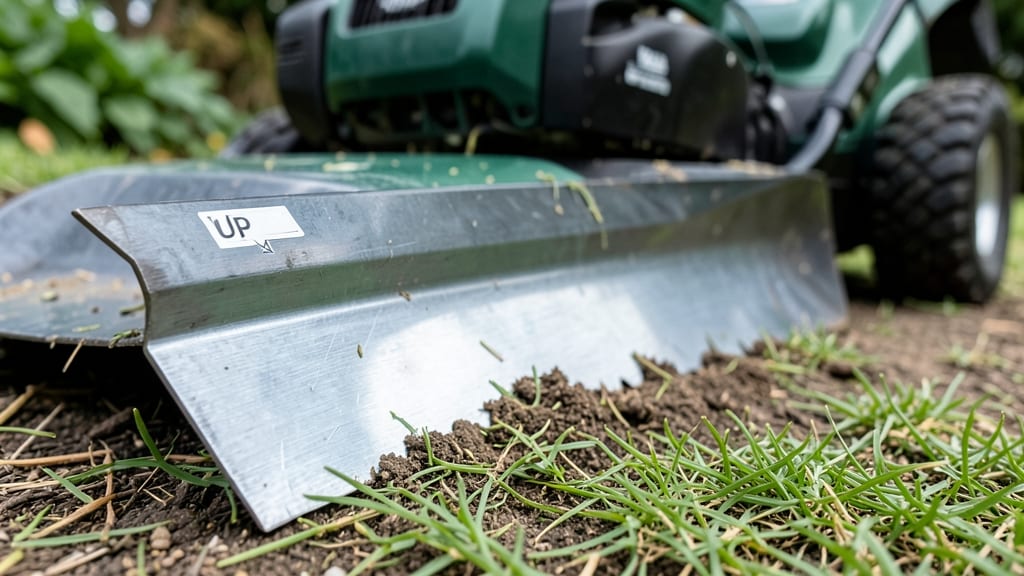
When setting up your lawn mower, the sharp side of the lawn mower blade should be up to ensure clean cuts, minimize grass tearing, and protect your mower deck from damage.
Getting which side of the lawn mower blade is up right isn't just about looks—it's about how your mower interacts with the grass.
When the sharp edge faces up, the blade shears the grass cleanly rather than tearing it, which means less stress on your mower and a healthier lawn. 🌱 This positioning also helps prevent clogging and reduces strain on the engine, making your mower last longer.
I've noticed that mowers with properly oriented blades leave behind a more uniform cut, which is especially helpful for those with larger yards or tougher grasses.
If you're unsure about your blade's orientation, check for uneven cuts or torn grass—these are clear signs it needs adjustment. Many mowers have markings on the blade to help with alignment, and a quick visual inspection can save you from potential damage down the line.
💡 In This Article
- How Lawn Mower Blade Orientation Affects Cutting Performance
- Signs Your Lawn Mower Blade Needs Adjustment or Replacement
How lawn mower blade orientation affects cutting performance
The sharp edge of a lawn mower blade acts like a precision scalpel, slicing through grass blades with minimal resistance when positioned correctly. When the sharp edge faces upward, the blade performs a clean shearing motion—similar to how a pair of scissors cuts paper—rather than ripping or crushing the grass.
This upward orientation creates a 45-60° cutting angle against the grass, which is ideal for clean separation without tearing the plant tissue. 🔥
Grass blades have a natural resilience that makes them harder to cut than you might think. A dull or improperly oriented blade forces the mower to work harder, often causing the grass to bend or tear rather than shear cleanly.
This creates jagged edges that can lead to brown tips and stress the grass, making it more susceptible to disease. The upward-facing sharp edge also helps prevent the grass from wrapping around the blade, which is a common cause of clogging and engine strain.
Blade wear plays a critical role here—even a slightly dulled blade loses its ability to maintain a clean cut. When the sharp edge wears down, the cutting angle becomes less effective, and the blade starts to "bite" or tug at the grass instead of slicing through it.
This is why regular sharpening (every 25-50 hours of use) is essential. A properly maintained blade with the sharp edge up can reduce fuel consumption by up to 10% by minimizing resistance against the grass.
Consider the difference between a well-sharpened kitchen knife and a dull one. A sharp knife glides through food with ease, while a dull knife requires more force and often crushes or tears the ingredients.
The same principle applies to lawn mower blades—proper orientation and sharpness make all the difference in how efficiently your mower operates and how healthy your lawn stays. 🌿
For those with thicker grasses like Bermuda or Zoysia, the upward-facing sharp edge becomes even more critical. These grasses have tougher blades that resist clean cutting, and the right blade orientation helps prevent the mower from struggling or leaving uneven patches.
Over time, improper blade positioning can also lead to uneven deck wear, as the mower deck bears the brunt of the extra resistance.
One common misconception is that the blade's orientation doesn't matter as long as it's sharp. However, even a sharp blade in the wrong position will still cause tearing and inefficiency.
The upward-facing sharp edge isn't just about the blade itself—it's about how the entire mower system works together to create a cleaner, healthier cut. This is why manufacturers design blades with a clear "up" side, often marked with arrows or text.
Think of it like driving a car with the wrong tire pressure—you might still get where you're going, but the ride will be rough, and the car will wear out faster. The same goes for your lawn mower: proper blade orientation ensures smoother operation, better results, and longer-lasting equipment. ✨