
Fertilization
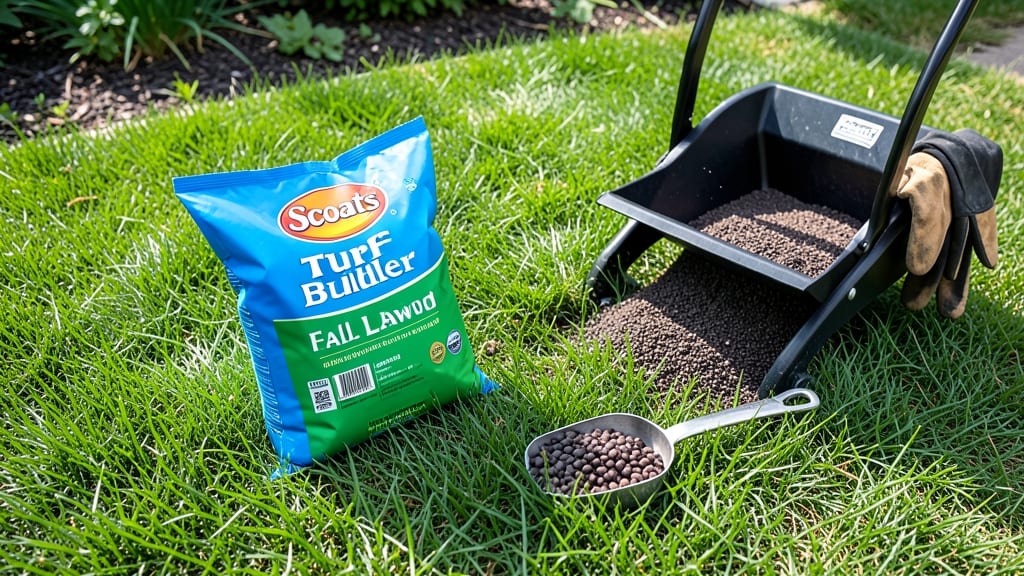
Fertilizing lawns in fall is the best way to give your 🌱 lawn grass a nutrient boost before winter dormancy, but the timing must be precise—too early or late and you risk wasting money or even harming your yard.
Picture this: you’ve spent all summer mowing, watering, and weeding, only to see your lawn turn patchy and weak by spring. That’s because fall fertilization isn’t just about winter prep—it’s the secret to stronger roots and a greener lawn next year, but getting it wrong can backfire.
In USDA Zone 6, the ideal window is between late August and early October, when cool-season grasses like fescue and bluegrass are actively growing but before the ground freezes. Missing this window means your grass won’t have the nutrients it needs to survive winter and bounce back in spring.
Below, I’ll break down the exact timing for your grass type, climate, and regional adjustments—plus the step-by-step process to apply fertilizer correctly so your lawn wakes up lush and healthy next spring.

Optimal fall fertilization timeline by grass type and climate zone
Timing your fall fertilization correctly ensures your cool-season grasses like fescue, ryegrass, and bluegrass develop strong roots before winter. The difference between a 60-day window in the North and a 45-day window in the South can mean the difference between a lush spring lawn and a patchy recovery.
Let’s break down the perfect schedule for your USDA zone and grass type.
For USDA zones 3-6 (Northern states like Minnesota, Maine, and upstate New York), your ideal fertilization window stretches from mid-September to early October. This gives grass enough time to absorb nutrients before soil temperatures drop below 50°F.
In zones 7-10 (Southern states like Texas, Florida, and Georgia), aim for late August to mid-October—your milder winters allow a slightly extended window.
Here’s the key: Fertilize when daytime temps average 65-75°F and nights stay above 50°F. This ensures grass stays active long enough to utilize nutrients without risking winter burn from late-season growth. For example, in zone 5, mid-September is perfect, while in zone 9, early October works best.
Your grass type also dictates timing. Kentucky bluegrass and fine fescue thrive with early fall feeding (late August to early September) to boost root growth. Perennial ryegrass, which germinates faster, benefits from a slightly later window (early to mid-October) to avoid fungal risks from prolonged moisture.
Regional adjustments matter too. In drought-prone areas (like the Southwest), fertilize earlier to avoid stressing grass before winter rains arrive. In humid climates (like the Southeast), delay until late September to reduce disease pressure from prolonged leaf wetness.
Missed the window? Don’t panic. A light application in November (if temps stay above 40°F) can still help, but prioritize soil health with compost or organic matter instead. The goal is to prepare grass for dormancy, not force late-season growth.
| Grass Type | USDA Zones | Optimal Window | Key Adjustments | Fertilizer Type |
|---|---|---|---|---|
| Kentucky Bluegrass | 3-8 | Late August - Early October | Earlier in colder zones (5-6) | 10-0-10 or 12-0-12 |
| Fine Fescue | 4-9 | Mid-September - Mid-October | Later in humid zones (7-9) | 8-0-16 or organic blend |
| Perennial Ryegrass | 5-10 | Early October - Early November | Avoid if frost risk before 6 weeks | 12-0-12 or slow-release |
| Tall Fescue | 3-10 | Late September - Late October | Drought-prone areas: fertilize earlier | 14-0-14 or organic |
After fertilizing, monitor your lawn for 2-3 weeks to spot any signs of stress. If you see yellowing tips or slow growth, reduce nitrogen next time.
In USDA zones 9-10, where winters are mild, a second light feeding in December can extend green-up in spring, but avoid it in colder zones.
Proper fall fertilization isn’t just about timing—it’s about soil health. Pair your fertilizer with aeration and topdressing with compost to improve soil structure. This combo ensures nutrients reach roots efficiently, setting your lawn up for spring’s fastest recovery.
Think of it as giving your grass a nutrient-rich blanket before winter’s chill.
Remember: The goal isn’t just a green lawn now—it’s a stronger, deeper root system that bounces back faster in spring. With the right timing, your cool-season grass will thank you with vibrant growth when warmer weather returns. 🌱
Signs your lawn needs fall fertilizer (and when to skip it)
Fall is the perfect time to give your lawn a nutrient boost, but knowing when to fertilize—and when to hold off—can make all the difference. Look for thin patches, yellowing grass, or slow recovery after summer stress.
These are clear signals your lawn is starving for nutrients before winter dormancy. Without intervention, weak roots mean a patchy spring comeback.
Another red flag? Pale or bluish-gray blades that feel soft when you walk on them. This often means nitrogen deficiency, which fall fertilization can quickly correct. But before grabbing that bag of fertilizer, check for other issues like fungal diseases or recent seeding, which may require a different approach.
⚠️ PROS-CONS BOX: WHEN TO FERTILIZE LAWNS IN FALL ⚠️
✅ DO FERTILIZE IF...
- Grass is thin in spots
- Blades yellow despite watering
- Soil tests low in nitrogen/phosphorus
- No recent seeding (wait 6+ weeks)
- Weather is mild (50°F+ temps)
❌ SKIP FERTILIZER IF...
- Drought stress is present
- Fungal issues (e.g., brown patch)
- Newly seeded (under 6 weeks old)
- Frost predicted within 2 weeks
- Soil is waterlogged
If your lawn shows thin patches or uneven color, prioritize fertilization in late September to early October. This window lets grass absorb nutrients before dormancy. For cool-season grasses like fescue or bluegrass, fall feeding strengthens roots for spring's aggressive growth phase.
But watch for fungal signs like circular dead spots or white thread-like growth. These indicate disease, not nutrient needs. In this case, skip fertilizer and treat with a fungicide first. Similarly, if your lawn was seeded in late summer, wait until new grass is 6+ weeks old before fertilizing.
For drought-stressed lawns, focus on deep watering first. Fertilizer won’t help if roots can’t access moisture. Test soil moisture by pushing a screwdriver into the ground—if it resists, water before fertilizing. Always apply fertilizer in the morning to prevent nighttime burn.
Remember: Fall fertilization is about root growth, not quick greening. Use a slow-release fertilizer with higher phosphorus (like 10-0-10) to encourage deep root systems. Avoid high-nitrogen blends, which promote top growth too late in the season.